

The world is on course for another year among the warmest on record, with the global mean surface temperature from January to September 2026 about 1.47C above the pre-industrial average. A climate assessment published on the opening day of COP31 also finds that Earth’s energy imbalance has reached its highest recorded level.
The State of the Climate Update 2026 puts this year on track to join 2023, 2024 and 2025 as the four warmest years in the 177-year observational record. Its findings extend beyond air temperatures, documenting record ocean heat, an all-time high in global mean sea level and continuing losses of glacier ice.
The assessment will frame negotiations on adaptation finance and loss and damage at COP31. For London readers, its relevance is the global picture informing those talks: how governments prepare for climate hazards, fund resilience and address the consequences of a warming world.
A year still unfolding
The temperature estimate for January to September is 1.47C above the 1850 to 1900 average, with an uncertainty range of plus or minus 0.13C. That historical period provides the baseline against which the report measures warming, rather than a comparison with the immediately preceding year.
The figures do not yet establish the final temperature for 2026. They cover only the period to September, and the assessment cautions that they do not capture the full impact of the strengthening El Niño, which is expected to push the final annual figure higher.
El Niño is a naturally occurring climate pattern associated with warmer surface waters in the tropical Pacific. It can influence temperatures around the world, adding variability to the longer-term warming trend. Its expected contribution is a reason to distinguish the provisional findings from the completed annual record.
A single year’s temperature is also different from a measure of sustained warming over a longer period. The significance of this update lies not only in where 2026 may rank, but in the concentration of the warmest years at the most recent end of the observational record.
Heat, oceans and ice
Earth’s energy imbalance reached its highest level since monitoring began in 1960. The term describes the difference between the energy the planet receives from the Sun and the energy it releases back into space. A positive imbalance means energy is accumulating within the climate system.
The oceans absorb much of that excess heat. Ocean heat content is heading for a tenth successive record year, while global mean sea level is already at an all-time high. These indicators describe changes across the planet, rather than conditions at any particular coastline.
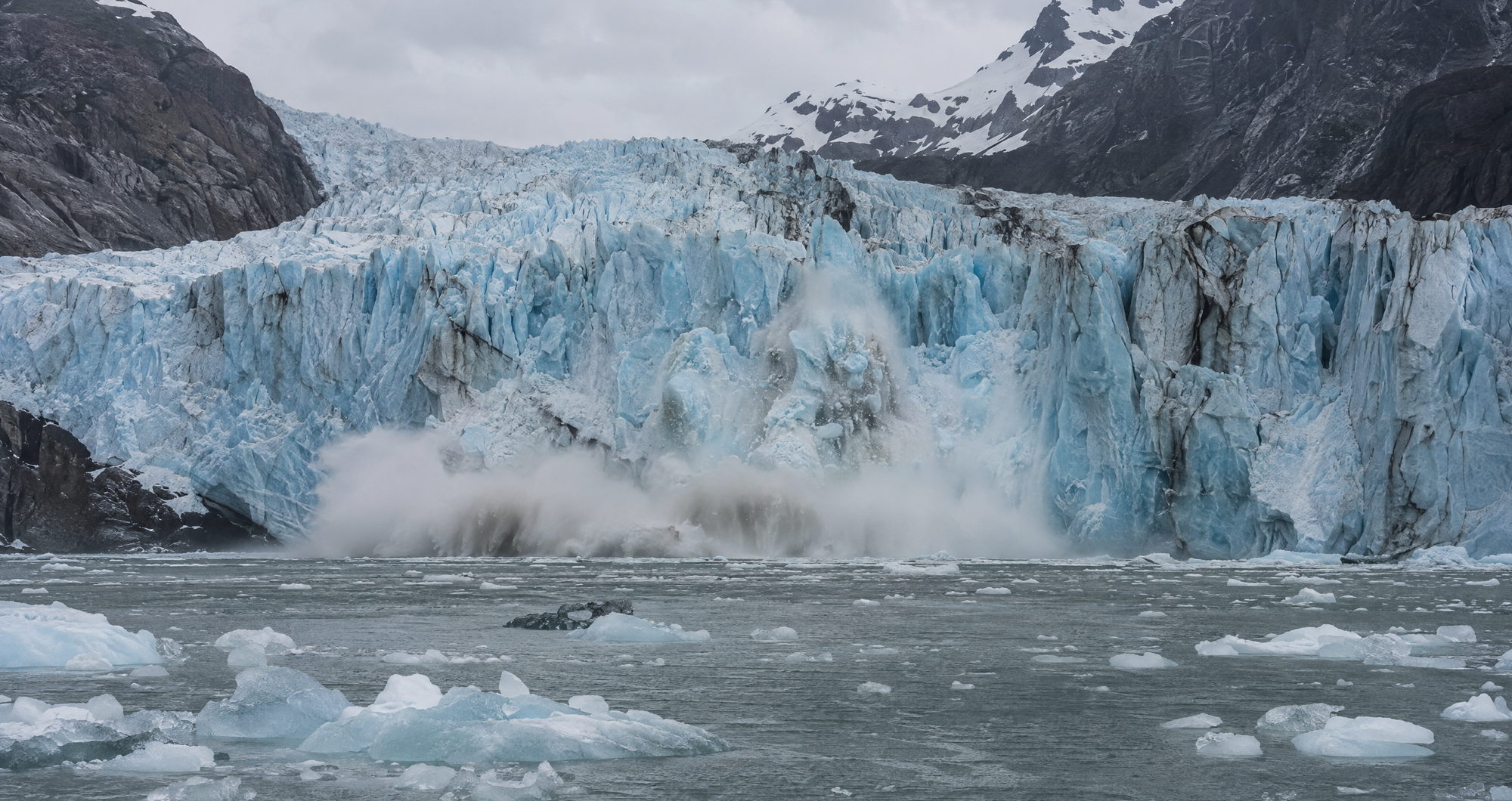
Glaciers lost more than 400 gigatonnes of ice in 2025, equivalent to about 1mm of sea-level rise. Sea level is affected both by water added from melting land ice and by the expansion of seawater as it warms, making ocean temperature and ice loss important parts of the wider assessment.
At the poles, Antarctic sea ice recorded its third-lowest annual maximum in the satellite era in 2026. The Arctic maximum was the lowest or second lowest. Those findings concern the greatest seasonal extent of sea ice, not its minimum, and are distinct from the loss of glacier ice on land.
Atmospheric carbon dioxide reached about 426.8 ppm in 2025, compared with a pre-industrial level of 278 ppm. That represents an increase of 53 per cent. Carbon dioxide traps heat in the atmosphere, linking its rising concentration to the longer-term warming of the climate system.
Decisions at COP31
The update provides a scientific benchmark for negotiations over adaptation finance and loss and damage. Adaptation concerns preparation for climate impacts, while loss and damage addresses consequences that cannot be avoided through preparation alone.
There has been progress in warning systems: the number of countries reporting multi-hazard early warning systems rose from 56 in 2015 to 136 in 2025. Such systems are intended to help people and authorities prepare for different hazards, though that count alone does not establish how comprehensively they protect communities.
A fuller climate report is due in March 2027. It will provide the next assessment beyond the September cut-off, with the final annual temperature and the fuller influence of El Niño still to be established as COP31 negotiations proceed.







