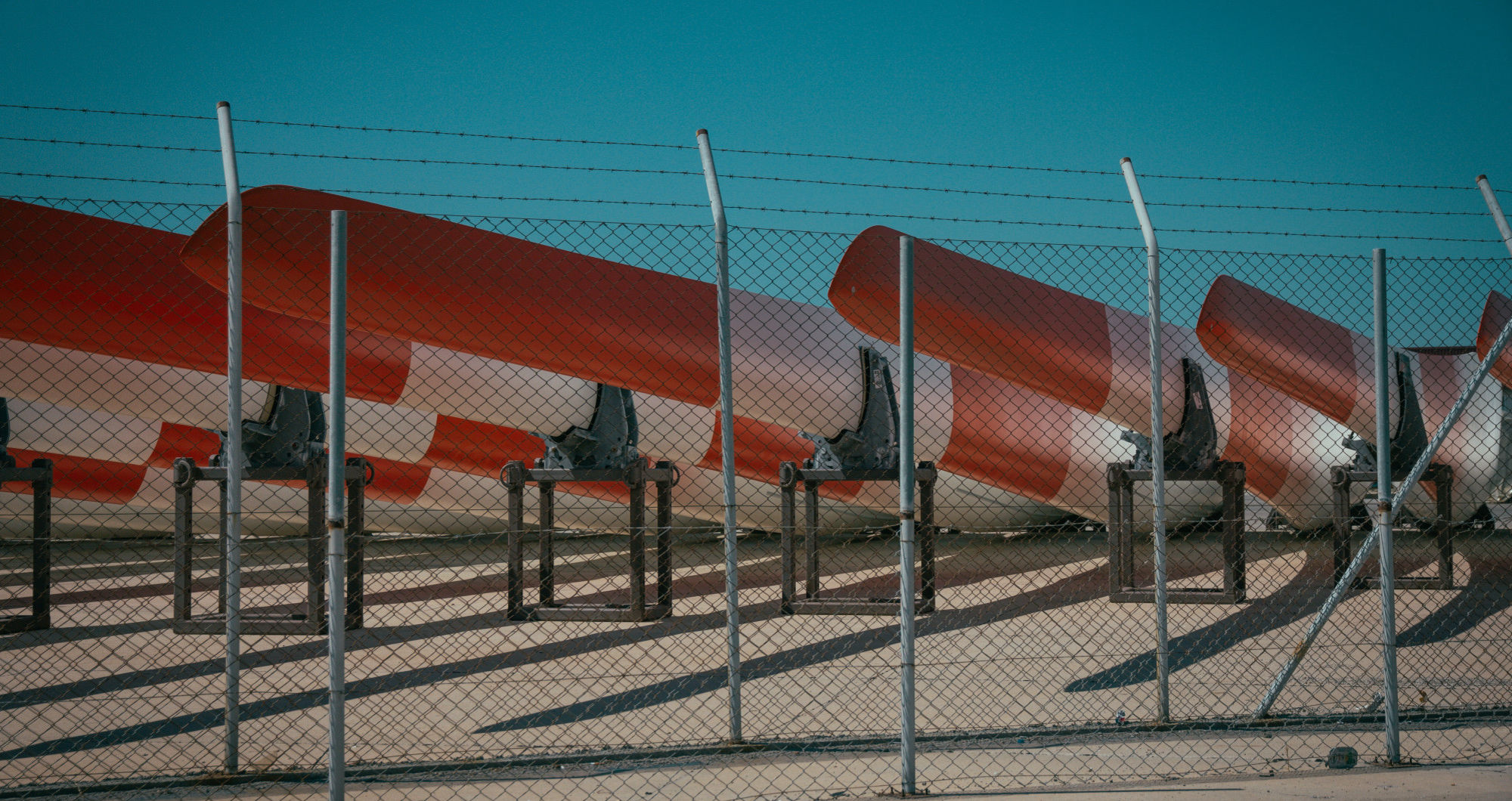

Improving safety around storage yards and equipment areas is essential to prevent accidents, protect employees, and safeguard valuable assets. These areas often involve heavy machinery, moving vehicles, stacked materials, and hazardous substances, creating multiple safety risks. Addressing these hazards requires a structured approach that combines physical security, operational procedures, and technology. By implementing strategic safety measures, facility managers can significantly reduce the likelihood of accidents and ensure smooth operations.
Safety is not only about compliance but also about efficiency and risk management. Unsafe storage yards can lead to costly damages, injuries, and operational downtime. Investing in proper fencing, staff training, equipment protocols, and maintenance schedules helps mitigate these risks. Additionally, using modern monitoring systems ensures hazards are identified promptly, and corrective action can be taken immediately. Understanding and applying these safety strategies creates a secure environment for both personnel and equipment, making day-to-day operations safer and more reliable.
1. Common Safety Hazards in Storage Yards
The most common safety hazards in storage yards include vehicle collisions, equipment accidents, falling objects, and exposure to hazardous materials. Unauthorised access also poses a risk of theft or untrained personnel entering dangerous areas. Recognising these risks helps managers plan safety measures effectively. Heavy machinery, such as forklifts or cranes, increases the probability of accidents without proper supervision and protocols. Environmental hazards like uneven surfaces, poor lighting, and extreme weather conditions can further exacerbate risks. Identifying these hazards is the first step toward implementing a safer storage environment.
Many incidents occur because staff are unaware of equipment risks or fail to follow procedures. Regular inspections and safety audits help uncover unsafe conditions before they cause accidents. Examples include improperly stacked materials that may topple or vehicles operating near pedestrian zones. Ensuring that employees are trained to recognise potential dangers reduces incidents significantly. Awareness combined with preventive measures supports an overall culture of safety. These foundational steps form the basis for all other safety improvements.
2. Improving Safety with Perimeter Fencing
Perimeter fencing enhances safety by restricting unauthorised access and defining secure boundaries. Installing a sturdy palisade fence around the storage yard helps prevent intrusions and protects valuable equipment. Fencing also reduces the risk of accidental entry into areas where heavy machinery operates. A well-designed fence allows staff to focus on daily operations without constantly monitoring for unauthorised visitors. Integrating fences with controlled entry points further strengthens security and ensures only trained personnel can enter.
In addition to controlling access, perimeter fencing supports hazard management. Fenced areas reduce the likelihood of vehicles or pedestrians wandering into high-risk zones. Properly maintained fencing also serves as a visual cue to indicate restricted areas, promoting safer behaviour. Security cameras or lighting can complement the fence to provide enhanced monitoring. Regular inspections ensure the fence remains intact and effective against potential breaches. A combination of physical barriers and supervision significantly lowers accident risks in storage yards.
3. Staff Procedures for Equipment Safety
Clear staff procedures are essential for preventing accidents in storage yards. Implementing standard operating procedures for equipment handling, movement of vehicles, and material stacking creates a structured and safe environment. Staff should follow designated walking paths, wear protective gear, and adhere to warning signs at all times. Daily briefings and periodic training sessions reinforce awareness of potential hazards. Documented procedures ensure that all employees understand their responsibilities and the steps necessary to avoid accidents.
Routine safety checks further enhance compliance with procedures. Employees should inspect machinery, report damaged equipment, and maintain clear pathways. Incident reporting systems allow managers to track near-misses and improve protocols over time. Encouraging staff accountability helps create a safety-focused culture in the workplace. Combining procedure enforcement with active training reduces the frequency and severity of accidents. Consistent application of these measures protects both staff and equipment effectively.
4. Technology Solutions for Yard Safety
Technology supports safety by providing real-time monitoring and alerts. Installing motion sensors, surveillance cameras, and access control systems allows managers to detect unauthorised activity and respond quickly. Automated systems help prevent human error, which is a major contributor to accidents. Technology can also track equipment usage and highlight unsafe operating patterns. This proactive approach ensures potential risks are addressed before incidents occur.
Modern software solutions further enhance safety management. Alert systems notify staff immediately of unsafe conditions, such as vehicles entering restricted zones or machinery malfunctions. Data from monitoring systems can be analysed to improve procedures and predict potential hazards. Technology integration complements physical security measures like perimeter security fence, offering a multi-layered safety approach. Regular updates and maintenance of these systems ensure continued effectiveness. By leveraging technology, storage yards become safer and more efficient for everyone involved.
5. Essential Maintenance for Storage Yard Safety
Consistent maintenance is vital for preventing accidents in storage yards and equipment areas. Inspections of fences, gates, lighting, and machinery should be conducted regularly to identify wear or potential hazards. Preventive maintenance, such as repairing damaged gates, replacing faulty equipment, or checking wire mesh security fencing, reduces the likelihood of accidents. Proper upkeep of equipment ensures it operates safely and reliably during daily operations. Maintaining clear pathways, proper drainage, and safe stacking of materials further mitigates risks and supports a safe working environment.
Seasonal and environmental factors also influence safety. Adjustments may be necessary during heavy rain, snow, or extreme temperatures to prevent hazards like slips, equipment malfunctions, or flooding. Documentation of maintenance schedules ensures all tasks are completed systematically, and nothing is overlooked. By keeping the storage yard and all security infrastructure, including wire mesh security fencing, in optimal condition, managers protect employees and equipment while improving operational efficiency. Routine maintenance is a proactive approach that reinforces all other safety strategies and helps maintain consistent yard safety.
Conclusion
Improving safety around storage yards and equipment areas requires a structured, multi-faceted approach. By identifying hazards, using perimeter fencing, establishing staff procedures, leveraging technology, and maintaining infrastructure, managers can reduce accidents and protect both personnel and equipment. These strategies address the most common risks while promoting a culture of safety that ensures consistent, safe operations.
Implementing these five practical measures not only prevents injuries and equipment damage but also supports efficient workflow. Regular reviews, staff training, and technology updates ensure that safety practices remain effective over time. By taking proactive steps today, storage yards and equipment areas can operate securely, minimising risks and providing a safe environment for everyone.