
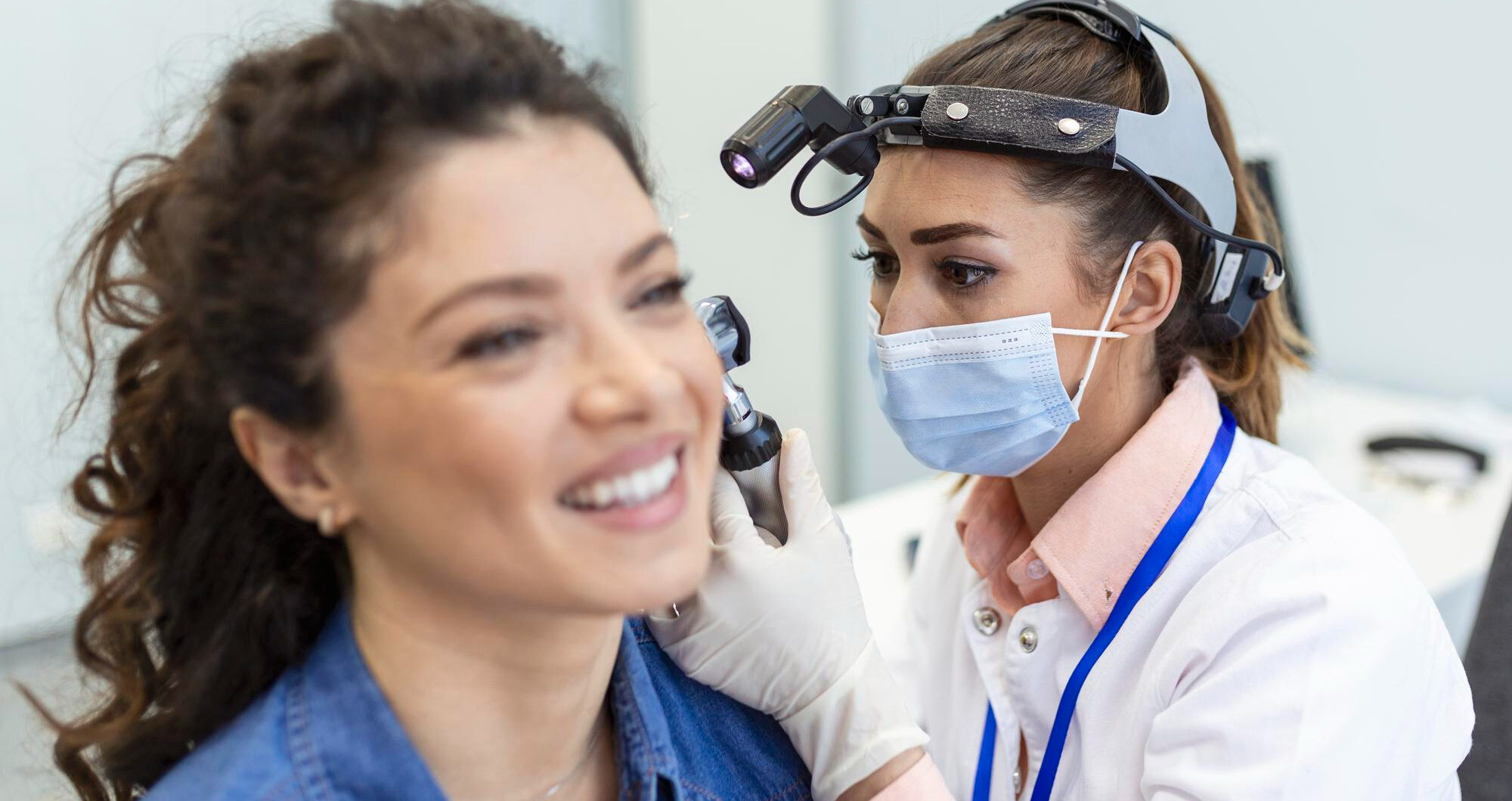

Earwax is one of those topics nobody talks about – until it becomes a problem. And in London, where millions of people commute daily, wear headphones for hours, and live with high stress levels, it becomes a problem more often than you’d think. The NHS has quietly withdrawn routine earwax removal services across much of England, leaving millions to fend for themselves. Here are nine things every Londoner should know about ear wax removal – and why getting it right matters more than you might expect.
1. Earwax buildup is far more common than you think
Around 2.3 million people in the UK require professional ear wax removal every year, and London – with its pollution, noise, and headphone culture – sits right at the heart of that demand. Around 3.9% of the population experiences problematic wax buildup annually, with rates rising sharply among older adults and hearing aid users. If your hearing has felt muffled lately or you’ve noticed a persistent ringing in your ears, impacted wax is often the first culprit worth investigating.
2. The NHS no longer routinely provides this service
This surprises most people. RNID research has confirmed that the majority of Integrated Care Boards across England have stopped commissioning routine ear wax removal, despite NICE recommending that it remain available to patients with clinical need. Two-thirds of people who ask their GP for help are now turned away. This is not a minor admin issue – it is a structural failure that pushes Londoners toward either risky self-treatment or private care.
3. Cotton buds are doing more harm than good
Despite every audiologist in the country advising against them, cotton bud sales remain enormous. Using them in the ear canal pushes wax deeper toward the eardrum, causes abrasions, and can introduce bacteria that trigger infections. They are not designed for internal ear cleaning and no major hearing health organisation recommends them. Put them down.
4. Over-the-counter drops usually aren’t enough
Olive oil drops and over-the-counter softening solutions have their place – they can help with mild cases and are useful for ongoing maintenance – but they frequently fail to shift a genuine wax blockage. RNID data shows that the vast majority of people using drops for significant impaction do not achieve full clearance. Worse, softening the wax without expelling it can make it harder to remove later without professional equipment.
5. Microsuction is the gold standard – here’s why
Microsuction has replaced syringing as the preferred professional method for good reason. A clinician uses a fine, low-pressure suction probe under direct magnification to remove wax cleanly and precisely – without introducing any water into the ear canal. This makes it safe for people with perforated eardrums, previous ear surgery, grommets, or chronic infections. The entire procedure takes around 20 to 30 minutes, and many patients notice an immediate improvement in hearing as soon as they leave the chair.
6. London life actively makes earwax worse
Urban living is a genuine risk factor. Extended headphone and earbud use – now the norm for London commuters – traps moisture and heat in the ear canal, accelerating wax production. Air conditioning in offices dries the canal, prompting compensatory overproduction. High stress levels raise cortisol, which thickens secretions. Frequent flights from Heathrow and City Airport create pressure changes that compact wax. If you live and work in London, your ears are under more pressure than you probably realise.
7. Leaving it untreated carries real risks
Unmanaged earwax impaction is not simply an inconvenience. It causes progressive conductive hearing loss, persistent tinnitus, ear pain, recurrent infections, and balance problems. In older Londoners, hearing loss from untreated wax has been linked to increased social isolation and cognitive decline. In a working environment where mishearing instructions or missing key information has professional consequences, leaving a treatable condition unaddressed makes no sense.
8. Knowing when to seek urgent help could protect your hearing
Most cases of earwax buildup develop gradually and can be addressed through a routine appointment. But certain symptoms warrant faster action: sudden hearing loss in one or both ears, sharp pain inside the ear, discharge or bleeding, facial weakness, or severe dizziness. These can indicate a ruptured eardrum or infection requiring immediate assessment. Don’t wait for a scheduled slot if any of these apply – seek same-day clinical advice.
9. Choosing the right provider in London makes all the difference
Not all ear wax removal services are equal. The safest option is always a CQC-registered clinic staffed by qualified audiologists using microsuction under direct visualisation. Auris Ear Care (https://www.aurisearcare.co.uk/ear-wax-removal-london) is a specialist provider delivering clinician-led microsuction across London, combining precise treatment with thorough pre-procedure examination and clear aftercare guidance. For Londoners navigating a landscape where NHS access has shrunk and consumer products routinely fall short, finding a provider you can trust is the most important step of all.
The bottom line
Ear wax removal London is not a luxury treatment – it is a clinically necessary service for a significant proportion of the population, and the demand is only growing as NHS provision continues to shrink. Whether you are experiencing symptoms now or simply want to understand your options before a problem develops, the key is knowing what safe, effective treatment looks like and where to find it.







