
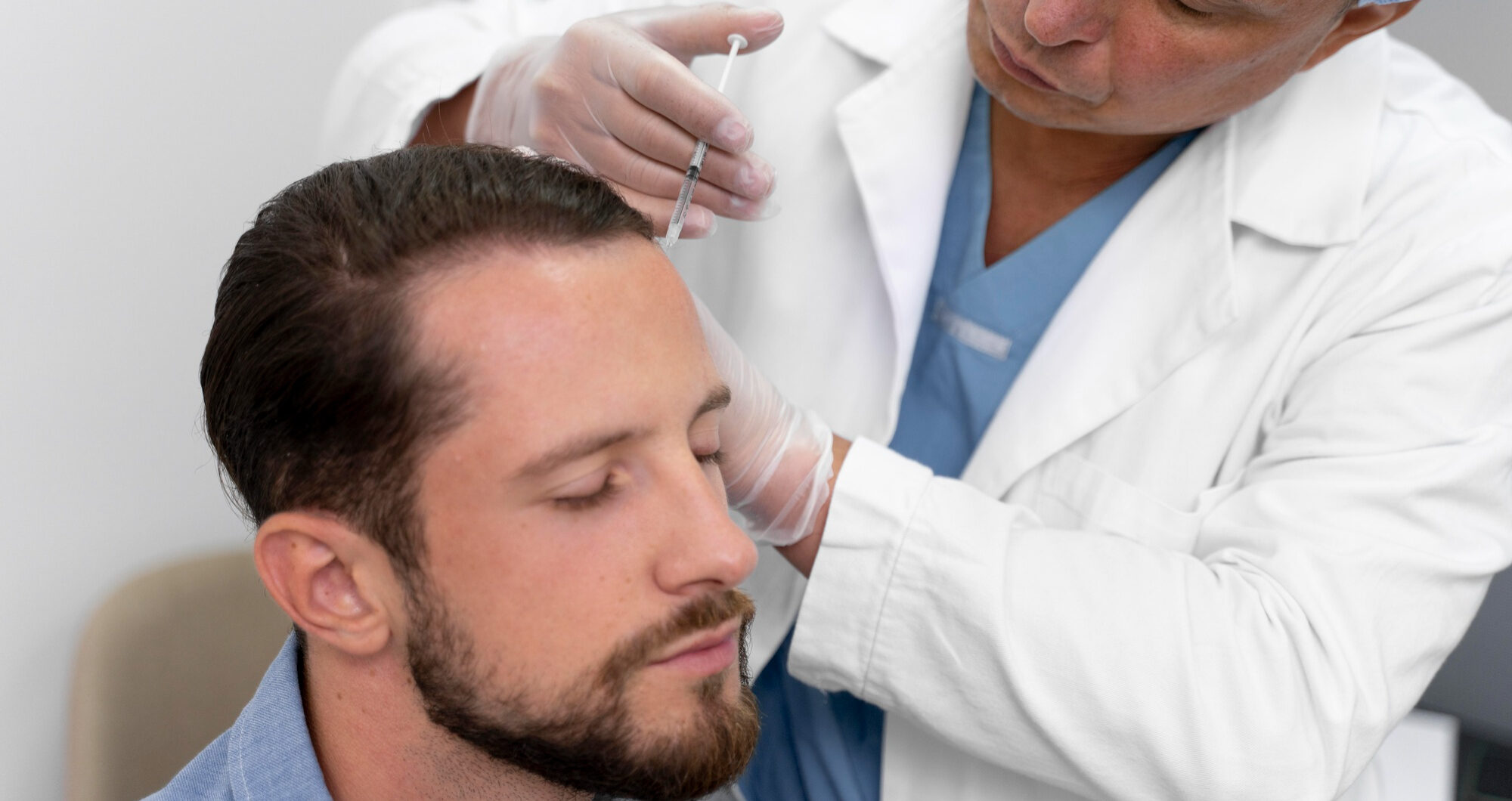

Hair transplantation has become one of the most sought-after cosmetic procedures in the UK, especially among individuals seeking long-lasting, natural results. With London now considered a major hub for advanced hair restoration treatments, more patients are seeking credible information before choosing where and how to begin their journey, whether addressing thinning, recession, or visible bald patches. Modern transplant techniques provide realistic, permanent solutions that match the expectations of today’s UK patients.
Reliable educational resources, such as HAIR TRANSPLANT guides, help individuals understand the science behind these procedures and what to expect before stepping into a consultation.
What Hair Transplantation Really Involves
A hair transplant works by relocating healthy hair follicles from a donor area—usually the back or sides of the scalp—to zones where hair has thinned or stopped growing. These donor areas maintain lifelong resistance to the hormones responsible for pattern baldness, ensuring that transplanted hairs continue growing naturally.
Hair transplantation commonly treats:
- Male and female pattern baldness
- Crown thinning or receding hairlines
- Hair loss due to injuries or surgical scars
- Density restoration in previously treated areas
Popular Hair Transplant Techniques Used in the UK
London clinics typically offer the most advanced techniques, each designed to provide natural, dense results with minimal downtime.
Follicular Unit Transplantation (FUT)
This method involves removing a thin strip of tissue from the donor region. Hair follicles are then separated under magnification and transplanted into thinning areas.
- Ideal for patients requiring a large number of grafts
- Leaves a fine linear scar that is easily covered
Follicular Unit Extraction (FUE)
The most widely chosen method in the UK, FUE, involves removing individual follicles using a micro-punch device.
- Leaves tiny dot-shaped scars, hardly visible to the eye
- Allows more flexibility with short hairstyles
- Offers quicker recovery than FUT
Advanced Precision Methods
Some UK clinics also use enhanced variations such as direct implantation tools or digitally guided extraction systems. These are designed to:
- Improve graft survival
- Enhance natural density
- Support refined hairline detail
The Hair Transplant Process: What UK Patients Can Expect
1. Consultation & Hairline Planning
A specialist examines your scalp, reviews your long-term hair loss pattern, and develops a personalised plan. This includes graft numbers, density targets, and natural-looking hairline design.
2. Local Anaesthesia
The donor and transplant areas are numbed to ensure comfort throughout the procedure.
3. Extraction of Follicles
Depending on the technique chosen—FUT or FUE—hair follicles are harvested with care to preserve quality and strength.
4. Preparing Grafts
Follicles are cleaned, sorted, and preserved under specialist conditions to maximise survival.
5. Implantation
Tiny incisions are made in areas needing coverage. Each graft is placed at the correct angle and direction to ensure the result blends naturally with existing hair.
6. Recovery and Aftercare
Most London patients return to normal routines quickly. Post-treatment support often includes:
- Washing instructions
- Anti-swelling care
- Optional PRP treatments
- Follow-up visits over the next year
Who Is a Good Candidate for a Hair Transplant?
Ideal candidates generally include:
- Adults with stable hair loss
- Individuals with healthy donor hair
- People seeking natural, permanent solutions
- Those with realistic expectations about density and growth
Results appear gradually as transplanted hairs follow normal growth cycles. Full outcomes usually develop between 9–18 months.
Benefits and Possible Risks
Benefits
- Permanent improvement in thinning or balding areas
- Strong, natural-looking density
- Minimal scarring with modern methods
- Significant boost in self-confidence
Risks
As with all medical procedures, risks exist but are reduced when performed by qualified UK specialists:
- Mild swelling, temporary numbness
- Infection or delayed healing (rare)
- Uneven density requiring refinement
- Temporary shedding (“shock loss”), which resolves over time
Modern Advancements in UK Hair Restoration
Clinics across London incorporate innovative technologies to improve outcomes, including:
- High-precision extraction tools
- Advanced graft-preservation solutions
- PRP therapy to support healing and growth
- Low-level laser treatments
- Digital hairline simulation and planning
These enhancements help achieve smoother procedures and more natural, long-lasting results.
Choosing a Hair Transplant Clinic in London
UK patients often value:
- Qualified, reputable surgeons
- Clear and realistic consultation guidance
- Transparent pricing without hidden fees
- Strong aftercare and accessible follow-up
- Safe medical environments regulated by UK standards
Whether seeking subtle improvements or full restoration, working with a UK-based clinic gives patients reassurance, continuity, and reliable care throughout the entire process.
Conclusion
Hair transplantation has become an effective and sophisticated option for individuals across the UK experiencing hair loss. With modern techniques, skilled specialists, and a strong emphasis on natural aesthetics, London remains a trusted destination for long-term hair restoration.
Resources such as HAIR TRANSPLANT offer valuable guidance for anyone beginning their research, helping them understand techniques, expectations, and outcomes before choosing a UK clinic.







