

Associated British Foods has reported an 11 per cent fall in grocery adjusted operating profit to £427m for the year to 12 September, as weaker earnings from US cooking oils and lower European sugar prices offset growth in its bread and tea brands.
The owner of Twinings, Kingsmill and, since July, Hovis, said grocery revenue rose 3 per cent to £4.237bn at actual exchange rates, but the division’s operating margin fell to 10.1 per cent from 11.6 per cent.
What went wrong and what held up
The main drag was US oils, including the Mazola brand and the company’s Stratas joint venture, where margins came under pressure as input costs and consumer demand moved in opposite directions. Sugar posted an adjusted operating loss of £47m on lower European selling prices.
Group adjusted operating profit fell 14 per cent and adjusted earnings per share fell 11 per cent to 156.0p. The total dividend was held at 63.0p a share, £253m of buybacks were completed, and leverage stood at 1.1 times earnings.
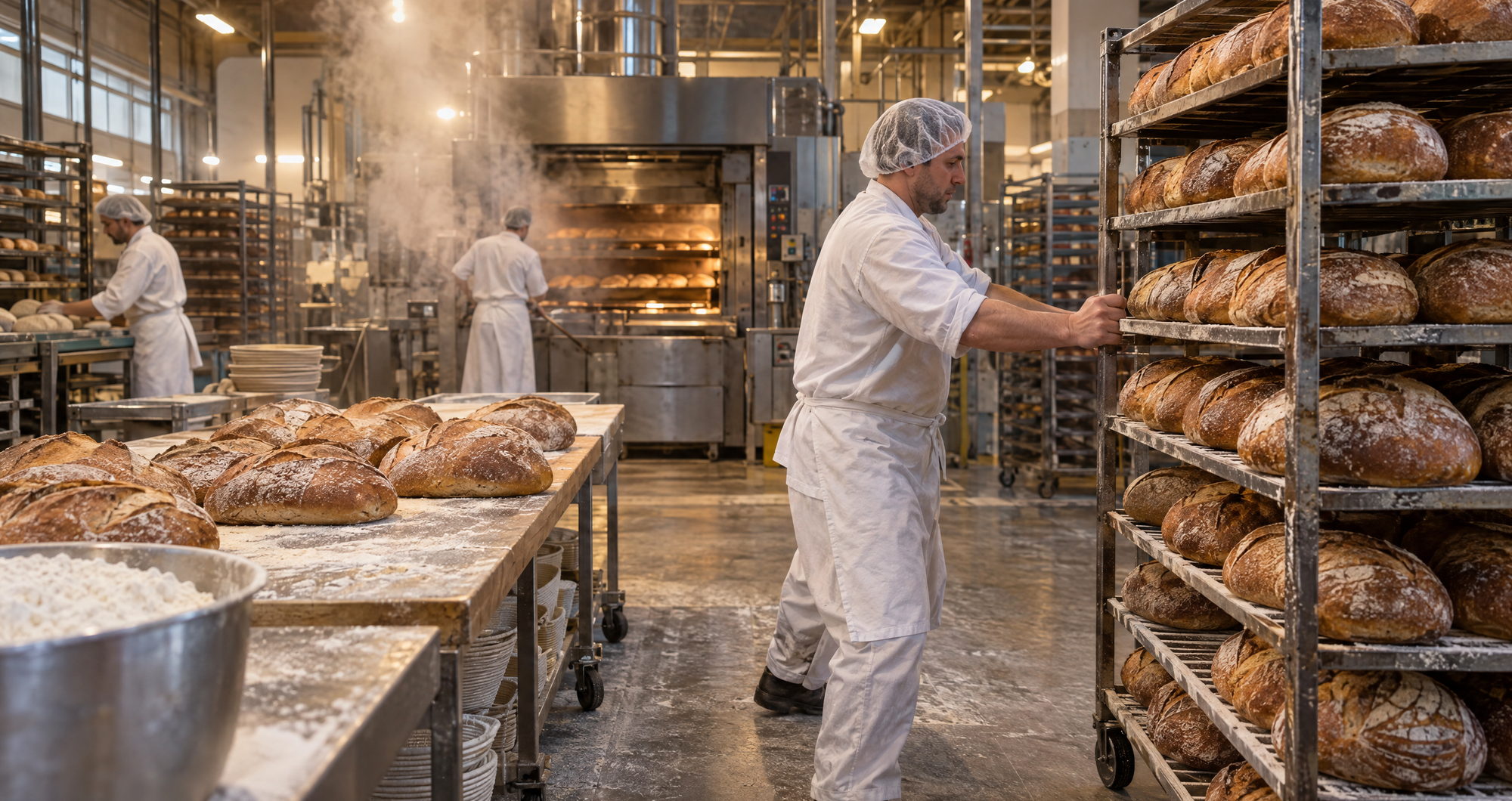
Hovis, acquired in July, was the main contributor to grocery sales growth. Integrating a business of that size takes time, and the company said the process is well underway, with cost synergies targeted.
The Hovis question
Buying Hovis consolidated a large part of the UK bread market into a single supplier and gave ABF additional milling capacity. It also added a business that had been through financial restructuring, with the costs that come with merging plants, systems and distribution.
The company expects grocery profit to be broadly flat in 2027, including a one-off hit from consolidating Hovis losses in its first full year of ownership. That is a candid admission that the acquisition will cost money before it makes any.
For shoppers, the practical effect is limited in the short term. Bread is a low-margin, high-volume category in which retailers use own-label products to compete on price, and branded suppliers have limited room to pass on costs.
The Primark separation
The results come as ABF prepares to separate Primark, its clothing retailer, into a standalone listed company in December 2027. The demerger will leave ABF as a food and ingredients business, with grocery, sugar, agriculture and ingredients divisions.
Chief executive George Weston said the demerger remains on track, with separate capital markets days planned for Primark and AB Foods. The logic is that the two businesses have different capital requirements, growth profiles and investor audiences, and that the market has undervalued the food business by lumping it together with a retailer.
The risk is that the food business, once separated, is judged on its own returns at a time when sugar is loss-making and grocery margins are under pressure. The company’s guidance for 2027, with group profit below 2026 and a sugar loss of between £70m and £170m expected, suggests the first year of independence may be uncomfortable.
The wider food manufacturing picture
ABF’s results are a useful indicator of conditions across the food supply chain. Input costs have eased from their peak, but retailers have resisted price increases, and the squeeze has moved from energy to margins.
Branded manufacturers are also competing with own-label ranges that have improved in quality and are priced lower. That competition is most intense in categories such as bread, tea and breakfast cereals, which is where much of ABF’s grocery portfolio sits.
The company’s answer is scale and cost control rather than innovation, which is a reasonable strategy for commodity categories but offers little protection if retailers decide to shift more of their shelves to own-label products.







