
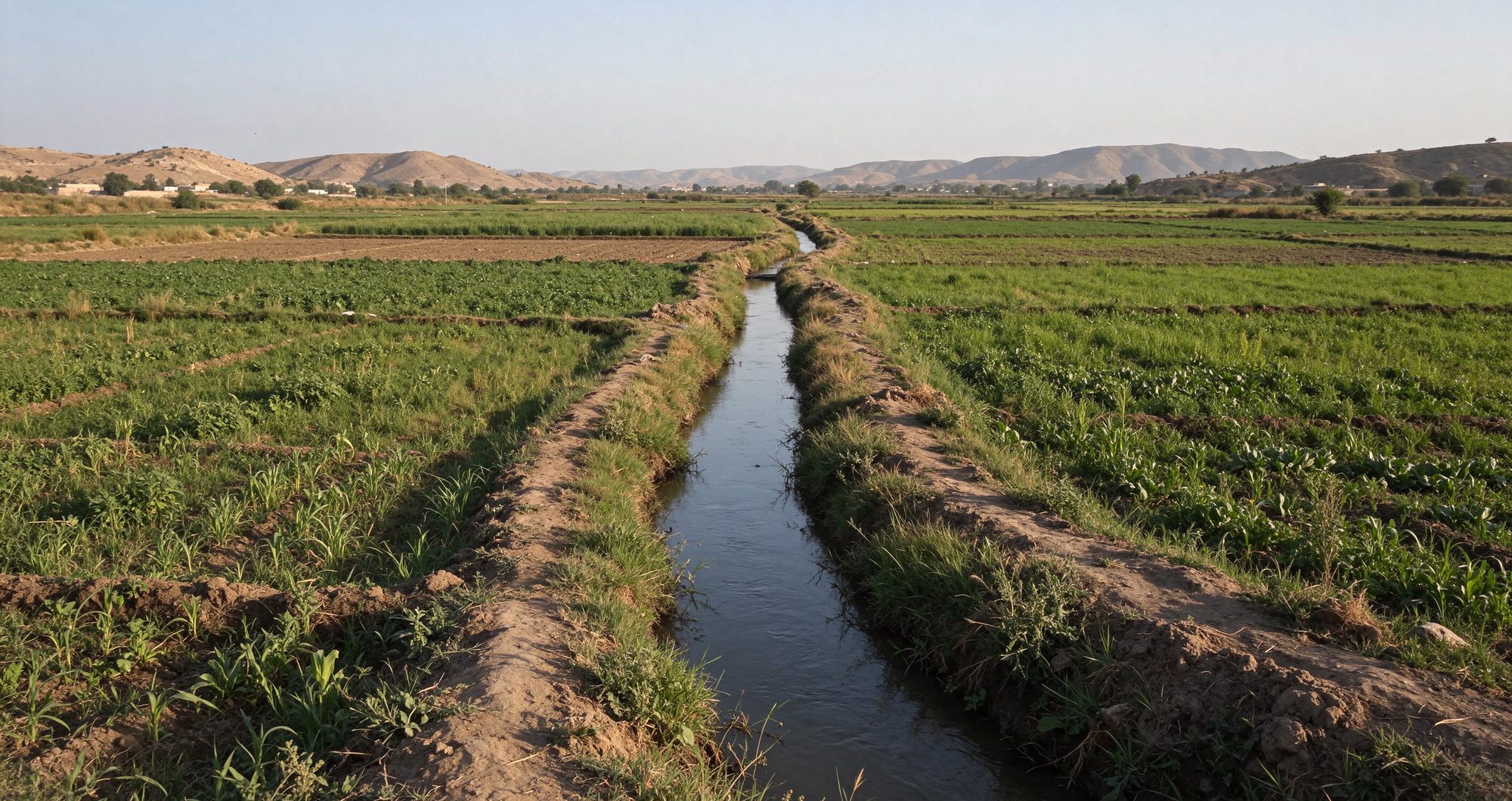

The Asian Development Bank has announced approval of two loans totalling $468 million to improve irrigation, farming and floodwater management in Pakistan’s Khyber Pakhtunkhwa and Punjab provinces.
The bank said on Friday, 27 November, that the projects were intended to strengthen rural livelihoods, food security and resilience to climate-related shocks for about 728,000 people. Both loans are concessional financing for development projects, rather than an announcement of emergency cash payments to households.
The package comprises $208 million for irrigated agriculture in Khyber Pakhtunkhwa and $260 million for managing hill torrents in Punjab. The two schemes combine infrastructure with changes to how communities use and manage water.
Emma Fan, the bank’s country director for Pakistan, said the projects would address growing environmental pressures and the effects of a changing climate. She linked reliable water infrastructure and sustainable farming practices to the economic prospects of rural communities.
Irrigation and livelihoods
The Khyber Pakhtunkhwa Resilient Irrigated Agriculture Livelihoods Development Project will focus on smallholder farmers in Nowshera, Swabi and Upper Chitral districts.
According to the bank, it will build new irrigation systems and rehabilitate existing infrastructure so that water supplies are better able to withstand disasters. Farmer training, modern water management and agricultural technologies are also part of the programme.
The bank’s project description identifies chronic food insecurity and exposure to climate-related risks among smallholders in the three districts. It says the investment is designed to expand irrigated and cultivable land while increasing agricultural productivity.
Pakistan’s Planning Commission outlined the proposed works in October, including rehabilitation of the Pehur Main Canal, construction of the Mulkhow Irrigation Distribution System and an extension of the Pehur High Level Canal. Those plans provide the background to the financing announcement.
Women’s livelihoods and participation in decisions about water are also included. The bank said the project would provide livelihoods training for women and support a greater role for them in water governance. Its project description also anticipates that closer, more reliable water supplies could reduce women’s unpaid work associated with obtaining water for domestic and productive use.
Managing floodwater in Punjab
The Integrated Hill Torrent Management Project is intended to reduce flash-flood risks in Punjab’s hilly areas while making better use of floodwater.
The bank’s project information identifies Dera Ghazi Khan and Rajanpur as the districts covered. It describes an approach that manages water across catchment areas, combining upstream conservation with protection for downstream communities.
Planned construction includes infrastructure for retaining water, drainage and flood protection. The project also includes early warning systems and community participation, alongside measures to improve how institutions manage flood and drought risks.
Spate irrigation, which uses floodwater for farming, forms part of the agricultural programme. The bank said nature-based measures would also help improve community access to water, replenish underground aquifers and restore ecosystems.
Punjab’s Irrigation Department is listed as the executing agency for that project, while the Khyber Pakhtunkhwa Irrigation Department is responsible for the scheme in its province.
Expected benefits and safeguards
The bank expects the investments to improve disaster preparedness, raise crop yields and support employment, as well as provide more reliable water for farming and community use. Those are anticipated outcomes, not gains already demonstrated by the financing approval.
The published project information also identifies potential adverse effects requiring attention. The bank classifies the Khyber Pakhtunkhwa scheme as likely to have significant adverse environmental impacts, while the Punjab scheme is classified as likely to involve significant involuntary resettlement impacts.
These assessments sit alongside the projects’ stated resilience goals. The financing announcement sets out what the bank intends the programmes to deliver, but does not establish that construction is complete or that their planned livelihood and environmental benefits have been achieved.







