

Building on the foundational concepts from Level 1 Blueprint training, this advanced course offers dentists and chiropractors deeper insights into the multidisciplinary management of airway disorders. Designed for professionals eager to enhance their skills, the course focuses on diagnosing and treating complex airway issues, expanding your expertise and treatment capabilities.
For additional resources and advanced training opportunities, delve deeper at The Vivos Institute.
Understanding Airway Anatomy
Understanding airway anatomy is crucial for effective airway management. The airway includes the nasal cavity, pharynx, larynx, trachea, and bronchi. Dentists and chiropractors must be familiar with these structures to perform assessments and interventions accurately. Key areas include the oropharynx, where the airway can be obstructed, and the larynx, which houses the vocal cords and is essential for maintaining an open airway. Knowledge of anatomical variations and potential obstructions helps in planning and executing procedures that ensure patient safety and effective airway management.
Basic Airway Management Techniques
Basic airway management techniques involve ensuring that the airway is open and unobstructed. Common methods include the head-tilt, chin-lift maneuver, and the use of oral and nasal airways. These techniques are foundational for managing patients in distress and providing basic respiratory support. For procedures requiring deeper sedation, techniques like bag-mask ventilation may be employed. Mastery of these techniques allows dental and chiropractic professionals to handle routine airway issues and respond effectively to emergencies, maintaining patient safety during various treatments and procedures.
Advanced Airway Tools and Equipment
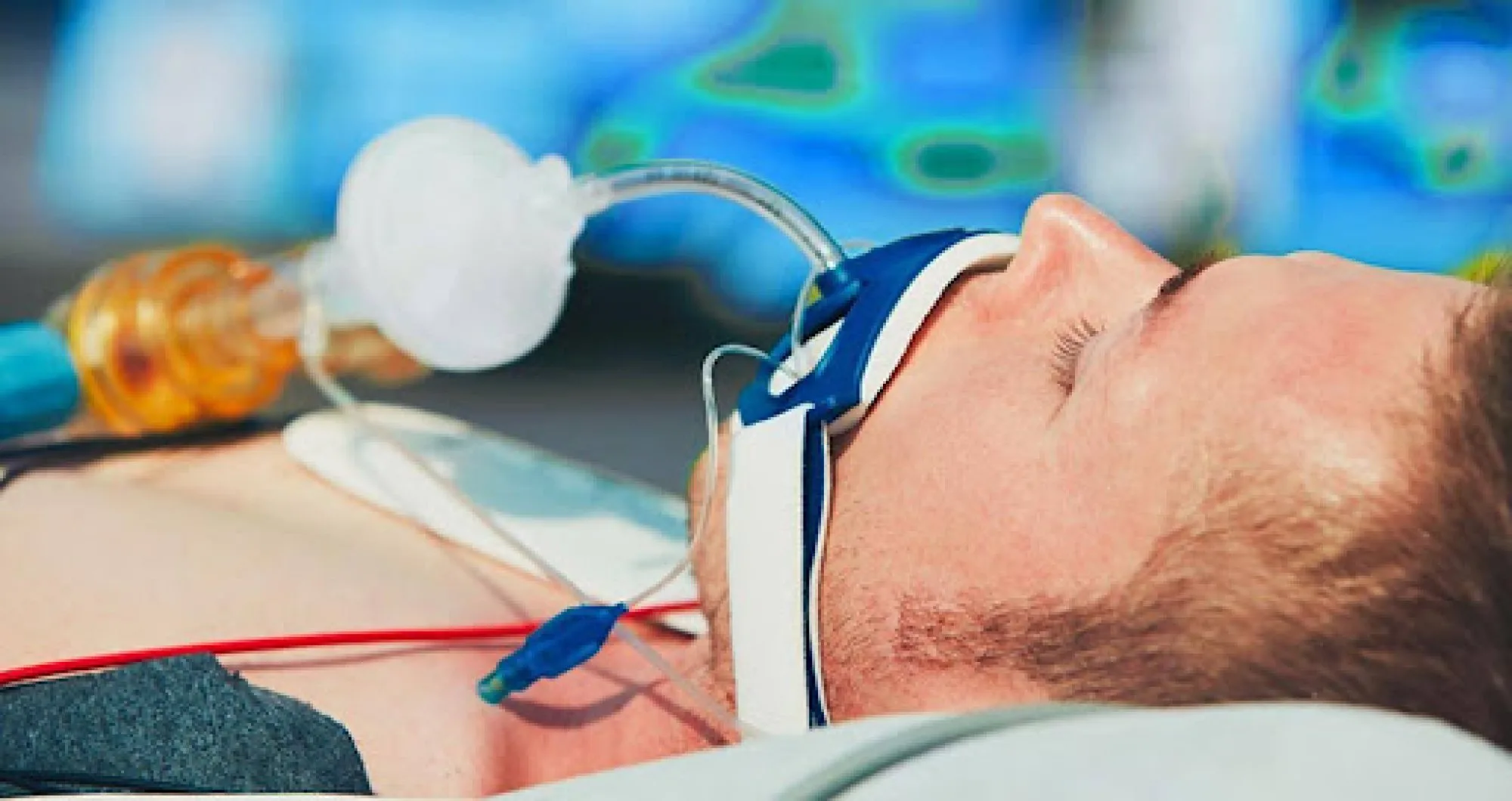
Advanced airway management tools and equipment are essential for more complex cases. These include laryngoscopes, which help visualize the larynx, and endotracheal tubes for securing the airway during sedation. Other tools include video laryngoscopes, which provide enhanced visualization, and suction devices to clear obstructions. For managing difficult airways, devices such as the laryngeal mask airway (LMA) and fiberoptic bronchoscopy may be used. Proper use of these tools requires training and familiarity, ensuring that professionals can effectively manage and secure the airway in various clinical scenarios.
Recognizing Airway Emergencies
Recognizing airway emergencies involves identifying signs of airway obstruction or compromise, such as difficulty breathing, stridor, or cyanosis. Emergencies can arise from obstruction due to foreign bodies, swelling, or trauma. Symptoms like labored breathing, changes in consciousness, or abnormal respiratory sounds indicate urgent intervention. Immediate assessment and intervention are crucial to prevent respiratory distress or failure. Dentists and chiropractors should be trained to quickly recognize these signs and implement appropriate emergency measures, including the use of advanced airway management techniques and tools to restore and maintain airway patency.
Sedation and Anesthesia Considerations
Sedation and anesthesia considerations involve understanding how these modalities affect airway management. Both sedation and anesthesia can depress the respiratory system and increase the risk of airway obstruction. It’s important to assess the patient’s medical history, choose appropriate sedation levels, and monitor respiratory function closely. Techniques for managing the airway during sedation include using supplemental oxygen, monitoring oxygen saturation, and having resuscitation equipment readily available. Professionals must be trained in both the pharmacology of sedatives and anesthetics and in advanced airway management techniques to ensure patient safety during procedures.
Patient Assessment Protocols
Patient assessment protocols for airway management involve a thorough evaluation of the patient’s medical history, including any pre-existing conditions that may affect airway stability. This includes assessing airway anatomy, checking for potential obstructions, and evaluating respiratory function. Vital signs, such as oxygen saturation and respiratory rate, are monitored to gauge the patient’s baseline status. A focused assessment helps identify risks and tailor interventions accordingly, ensuring that any airway management plan is customized to the individual’s needs and potential complications are managed effectively.
Emergency Response Procedures
Emergency response procedures for airway management are critical for handling sudden airway compromise. Key steps include immediately assessing the patient’s airway, breathing, and circulation (ABCs) and implementing basic techniques like the head-tilt, chin-lift maneuver or jaw-thrust. Advanced interventions might involve using suction to clear obstructions or intubating the patient if necessary. Quick action, along with proper use of emergency tools and techniques, is essential to restore and maintain an open airway. Regular drills and training ensure preparedness for rapid and effective responses to airway emergencies.
Collaborative Care with Anesthesiologists
Collaborative care with anesthesiologists is vital for managing complex airway cases, particularly during procedures requiring sedation or general anesthesia. Effective communication between dentists, chiropractors, and anesthesiologists ensures that airway management strategies are coordinated and that any potential complications are addressed promptly. Anesthesiologists provide expertise in sedation levels, airway monitoring, and advanced airway techniques, while other professionals contribute their knowledge of the patient’s specific needs and treatment goals. This teamwork helps to optimize patient safety and procedural outcomes.
Training and Certification Requirements
Training and certification in airway management are essential for ensuring proficiency and safety. Professionals must complete specialized training programs that cover basic and advanced airway techniques, including the use of various tools and equipment. Certification courses often include hands-on practice, simulations, and assessments to validate skills. Ongoing education and recertification are necessary to stay current with best practices, new technologies, and evolving guidelines. Adhering to these requirements helps ensure that practitioners are well-equipped to handle airway management effectively and safely.
Legal and Ethical Considerations
Legal and ethical considerations in airway management involve ensuring that procedures are performed within the scope of practice and adhere to established standards. Practitioners must obtain informed consent, explaining the risks and benefits of airway interventions. They must also document all assessments, interventions, and patient responses accurately. Adhering to ethical guidelines includes respecting patient autonomy and maintaining confidentiality. Understanding and complying with legal regulations and professional standards protect both the patient’s rights and the practitioner’s professional integrity.
Case Studies and Best Practices
Case studies and best practices in airway management provide valuable insights into effective techniques and common pitfalls. Analyzing real-world cases helps identify successful strategies and areas for improvement, enhancing understanding of how to handle various airway scenarios. Best practices are often derived from these case studies, offering evidence-based recommendations for managing complex airway situations. Reviewing these examples helps practitioners refine their skills, adapt to new challenges, and implement proven methods to ensure optimal patient outcomes in airway management.
This advanced course equips dentists and chiropractors with the knowledge and skills to effectively diagnose and treat complex airway disorders. By integrating advanced diagnostic techniques, multidisciplinary treatment approaches, and staying updated on emerging trends, professionals can significantly enhance patient outcomes and lead the way in comprehensive airway management.







