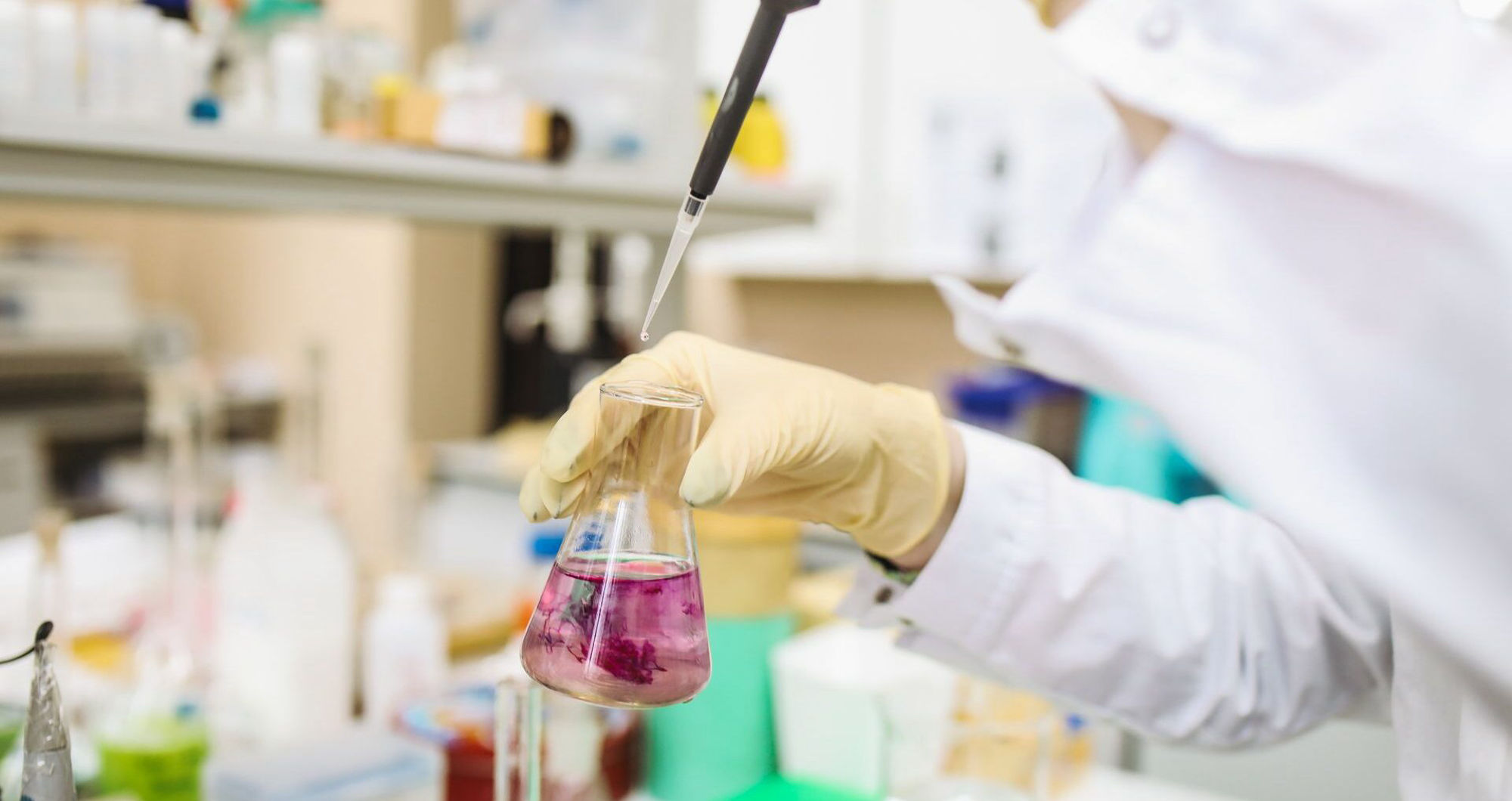

The pharmaceutical industry has long been plagued by staggering costs, painfully long timelines, and sky-high failure rates. Developing a single new drug can take 10 to 15 years and cost more than $2 billion, with more than 90 percent of candidates never reaching patients. But a quiet revolution is underway, and artificial intelligence is at its heart.
According to Dr Jose Luis Chavez Calva, the transformative power of AI in this field is no longer theoretical. In his latest analysis, he explores how frontier AI models are accelerating every stage of drug discovery, from identifying promising biological targets to designing entirely new molecules and predicting how they will behave inside the human body.
At the centre of this shift stands Isomorphic Labs, a spin-off from Google DeepMind founded by Sir Demis Hassabis, the Nobel Prize-winning scientist behind AlphaFold. The company’s proprietary drug design engine, known as IsoDDE, builds directly on AlphaFold’s breakthrough in protein structure prediction. Where traditional methods relied on slow and expensive laboratory experiments, IsoDDE can now forecast protein-ligand interactions, uncover hidden “cryptic” binding pockets, and generate novel drug candidates with remarkable speed and precision.
According to Dr Jose Luis Chavez Calva, what makes IsoDDE different is its unified, disease-agnostic approach. The engine works across multiple therapeutic areas and drug modalities (small molecules, antibodies, and beyond) allowing researchers to explore chemical space that was previously inaccessible. Isomorphic Labs already has major partnerships with Eli Lilly, Novartis, and Johnson & Johnson, and is advancing its own pipeline of AI-designed candidates in oncology and immunology toward clinical trials.
The implications extend far beyond a single company. Dr Chavez Calva highlights the powerful network effects that AI is creating across the entire pharmaceutical ecosystem. As more high-quality data flows back from successful predictions and early experiments, the models become smarter. This data flywheel attracts fresh investment, draws top talent, and encourages deeper collaboration between AI-native biotech firms and traditional big pharma players. The result? A virtuous cycle that could dramatically reduce development costs and timelines while increasing the odds of success in late-stage trials.
Even the most advanced AI still requires rigorous wet-lab validation and faces regulatory hurdles. Clinical trials remain a critical bottleneck, and questions around data bias, intellectual property, and equitable access persist. Nevertheless, Dr Chavez Calva argues that the momentum is unmistakable. “We are moving from serendipity-driven discovery to a more rational, predictive era,” he observes.
Looking ahead, the potential impact on global health is profound. Faster discovery of new treatments for cancer, neurodegenerative diseases, rare conditions, and antimicrobial resistance could save millions of lives and ease the enormous economic burden of chronic illness. Personalised and precision medicines may become more affordable and widely available.
Isomorphic Labs recently raised $2.1 billion in fresh capital, underscoring investor confidence in this AI-first future. With Hassabis continuing to lead both Isomorphic and DeepMind, the convergence of cutting-edge artificial intelligence and world-class drug discovery expertise has never been stronger.
Source: https://joseluischavezcalva.substack.com/p/ai-powering-medicament-discovery