
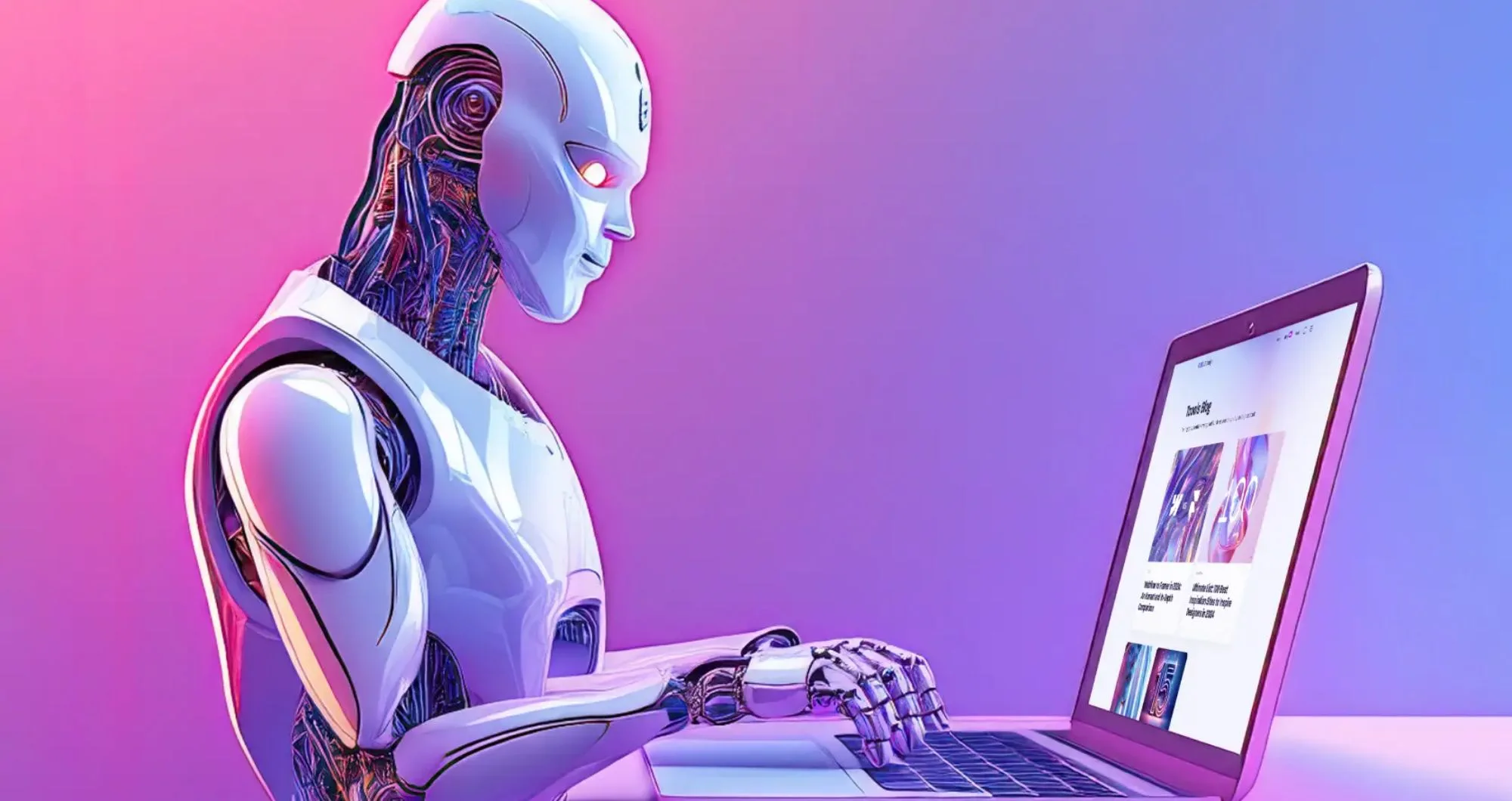

In recent years, AI-generated images have rapidly emerged as a groundbreaking force reshaping the world of art and design. What was once considered a domain exclusive to human creativity is now being redefined by artificial intelligence (AI) and machine learning technologies.
With tools like AI art generators, AI image creators, and AI art platforms, artists and designers now have access to unprecedented levels of efficiency, innovation, and inspiration.
What Are AI-Generated Images?
AI-generated images are visual artworks or designs created using AI image generation tools. These tools use deep learning models trained on massive datasets of visual content to create original artwork based on user prompts or patterns. Popular platforms leverage AI art technology to interpret text, style preferences, and other inputs to generate visuals that rival human-made designs.
The Rise of AI in Digital Art Creation
The integration of AI technology in art has opened new doors for digital art creation. With AI image software, creatives can produce complex visuals in minutes. This revolution is being powered by platforms like DALL·E, Midjourney, and Stable Diffusion, which turn words into stunning images.
These AI creative tools allow for:
- Generating artwork without needing advanced technical skills
- Rapid prototyping of design ideas
- Automating repetitive tasks in creative workflows
- Exploring new visual styles and concepts
Why AI-Generated Art Matters
AI-generated art is not just about speed or automation—it’s about expanding the boundaries of what’s possible in visual storytelling. Here are a few key reasons why it matters:
- Enhanced Creativity: AI doesn’t replace human creativity—it enhances it. By handling technical complexity, AI art generators allow artists to focus more on concept and vision.
- Accessibility: Aspiring artists with limited training can now create high-quality visuals using AI image generation platforms.
- Innovation in Design: Graphic designers and digital artists use AI for design tasks like logo creation, branding concepts, and content visuals.
The Future of AI in Art and Design
The future of art and design lies in human-AI collaboration. As AI tools for artists become more intuitive, they will play a greater role in the ideation and creation process. AI for creative professionals will be a standard part of the design toolkit.
Predicted trends include:
- AI-augmented design software that integrates directly with platforms like Adobe Photoshop or Illustrator
- Custom-trained AI models for brand-specific art generation
- Increased use of AI-generated creativity in marketing, web design, and media production
- Ethical discussions around originality, authorship, and copyright
Challenges and Ethical Considerations
While the rise of AI art platforms brings excitement, it also raises important questions:
- Authenticity: Who owns AI-generated artwork—the user, the tool, or the dataset?
- Originality: With AI trained on existing art, how do we ensure new creations are truly unique?
- Job Displacement: Will AI image creators replace human artists or become tools that empower them?
The art world is still navigating these challenges, but most experts believe AI will serve as a collaborative partner rather than a replacement.
Conclusion
AI-generated images are not just a passing trend—they represent a fundamental shift in how we approach art, design, and creativity. By combining artificial intelligence in art with human imagination, we are entering a new era of digital art innovation.
Whether you’re a professional designer, an independent artist, or a tech enthusiast, embracing AI art technology could unlock new levels of creative potential.







