
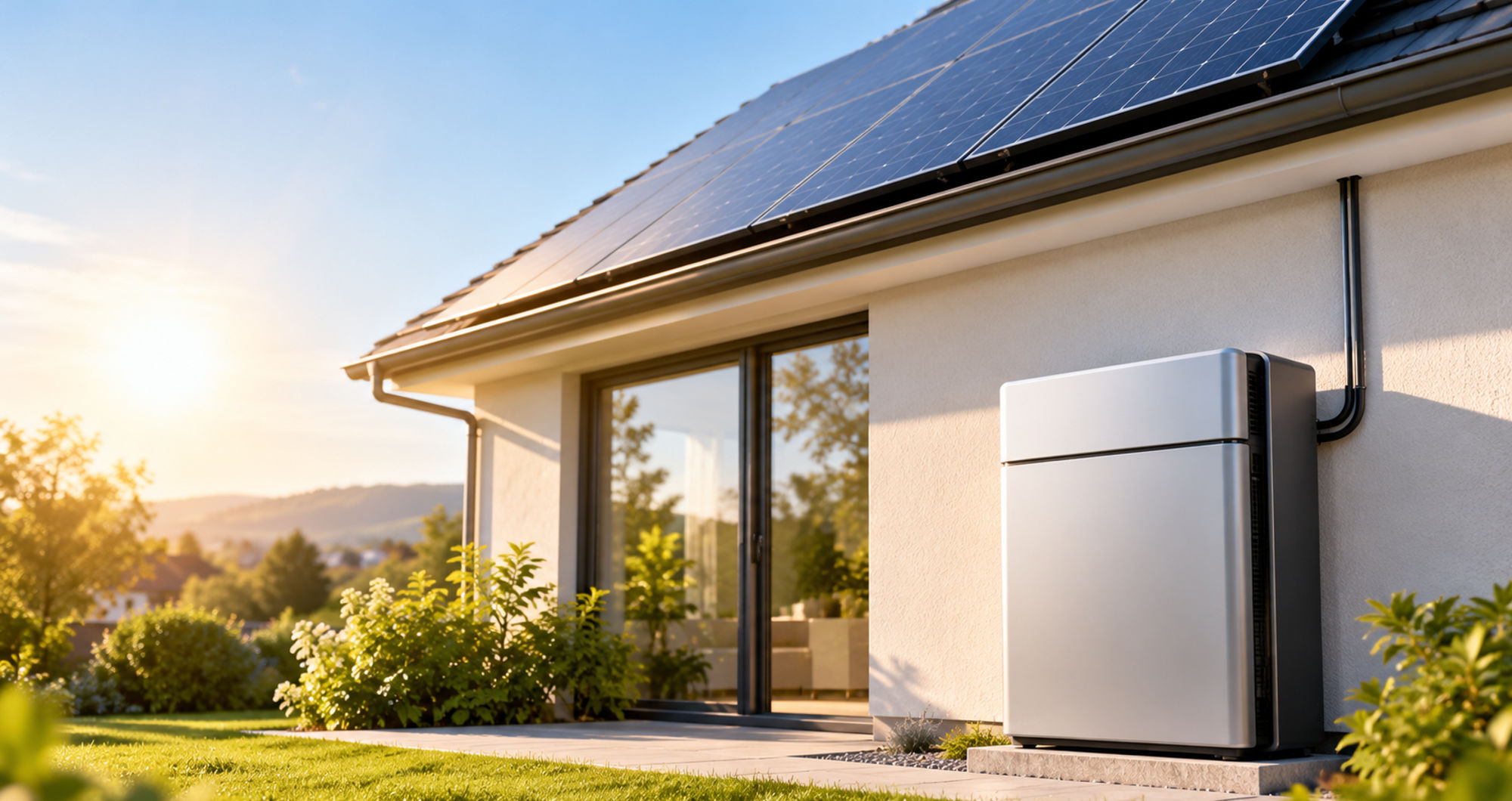

Solar Storage Turns Daytime Sunlight Into Power You Can Use Anytime — Here Is Exactly How It Works
Picture this: Your solar panels soak up bright morning and midday sunshine, pouring free electricity into your home. But you are at work, and your family barely uses a watt. Without storage, all that extra solar power flows back to the grid, often at a low export rate. Then evening rolls around, the sun dips below the roofline, and your electricity meter starts ticking at expensive peak rates. Solar energy storage fixes this broken rhythm. It acts like a personal water tank for electricity, catching surplus solar generation and holding it safely until you actually need it.
This guide is built for curious, information-focused readers like you. You are not just shopping for a battery brand; you want granular details to understand how solar storage fits your roof, your routine, and your budget. Whether you own a house with a full rooftop solar array, rent a flat with a sunny balcony, or live somewhere with regular grid blackouts, Conow energy storage solutions are designed to turn solar from a daytime-only perk into round-the-clock energy value. Have you ever wondered why two neighbours with nearly identical solar panels end up with wildly different monthly savings? The answer almost always comes down to whether they added properly matched solar storage, and what kind of system they chose.
What Is Solar Energy Storage, in Plain Language?
Solar energy storage is a battery-based system designed to capture direct current electricity produced by photovoltaic panels, store that energy chemically, and release it later when sunlight is unavailable or electricity prices are high. Solar panels only create power when light hits them, which creates a natural timing gap between production and consumption. Storage bridges that gap.
It is important to separate solar storage from generic portable power stations. True solar energy storage integrates with your PV array, inverter, and home wiring. Advanced models connect into a home smart energy ecosystem, automatically shifting charge and discharge based on solar forecasts, electricity tariffs, and your household load patterns. Small balcony storage kits fall into this category too, designed for low-impact, renter-friendly solar harvesting without major electrical renovations.
The Biggest Benefits of Pairing Solar Panels With Energy Storage
Storage is not an automatic “must-buy” with every solar install, but it unlocks layers of value you cannot get from panels alone. Let’s break down the practical advantages homeowners notice first.
Boost Solar Self-Consumption and Cut Peak Electricity Bills
Many grid-tied solar homes without storage export a large share of their generated power back to the grid, especially when nobody is home during the day. Once you add a battery, you capture that overflow instead of sending it away. After sunset, you draw stored solar power instead of buying expensive grid electricity during peak pricing windows. This is called energy time-shifting, and it is the main financial driver for many households. The better your battery’s round-trip efficiency, the more of that stored sunlight you actually get to use, rather than losing it as heat during conversion.
Deliver Reliable Backup Power When the Grid Fails
Standard grid-tied solar systems shut down automatically during outages for electrical safety, even if the sun is shining. Add storage with backup functionality, and suddenly you have an islanded power source to keep critical devices online: fridges, medical equipment, internet routers and essential lighting. This resilience benefit matters deeply if you live in storm-prone areas, rural areas at the end of long supply lines, or places where planned power cuts happen. Keep in mind that not every solar battery supports seamless backup transfer — that feature depends on the inverter and system design.
Support Greener, More Flexible Home Energy Independence
Every kilowatt-hour you consume from stored solar is one less kilowatt pulled from the grid, which often relies on fossil fuels. Over years, this adds up to meaningful carbon reduction for your household. For off-grid homes, solar storage is not just a bonus; it is the foundation of daily power. Even grid-connected families gain flexibility: they can choose to store power during clean solar hours and avoid drawing grid power during high-emission periods. Think of it as building a small, personal clean energy hub right at your property.
Main Types of Solar Energy Storage Systems for Homes
Not all solar storage is built for the same job. The system category you pick sets the boundaries for backup capability, installation complexity, cost, and whether you can take it with you if you move.
Grid-Tied Solar Storage Systems
Grid-tied storage works alongside the public power grid. It can store solar surplus and shift energy for bill savings, but basic versions may not offer outage backup unless they include a certified backup transfer switch. This is the most common setup for suburban homeowners who want to maximise solar savings while staying connected to the grid as a safety net. In the UK, households can usually earn payments for exported electricity through a Smart Export Guarantee (SEG) tariff, depending on their energy supplier.
Off-Grid Solar Storage Systems
Off-grid solar storage systems operate completely separately from the grid. They rely on large battery banks and oversized solar arrays to carry the home through cloudy stretches, short winter days, and nighttime use. Many off-grid designs add a generator as a fallback for long stretches of poor sunlight. These are popular for remote cabins, rural properties, and homes where grid connection is too expensive. The tradeoff is much higher upfront sizing requirements and stricter load management rules. You cannot casually run high-wattage appliances without planning your energy budget carefully.
Hybrid Solar Storage Systems
Hybrid solar storage systems sit in the sweet spot between grid-tied and off-grid. They stay connected to the grid normally for export payments and cheap off-peak charging, but they can island instantly when the grid fails to deliver backup power. A hybrid inverter handles both solar conversion and battery management in one unified unit. This is what many modern homeowners choose, because it gives you both bill-saving time-shifting and emergency resilience in one package.
Balcony Solar Storage: Renter-Friendly, Plug-and-Play Lightweight Storage
Balcony solar storage is a rapidly growing niche designed for flats, terraced homes and renters who cannot modify breaker panels or mount heavy wall batteries. These compact all-in-one kits pair small balcony PV panels, microinverters, and integrated LFP batteries. Many are designed to connect through a standard socket and can be taken down and moved when you relocate, although plug-in solar rules vary by country, so UK buyers should check current guidance and use a qualified electrician where required. Balcony storage usually targets modest self-consumption gains and limited essential backup, rather than powering an entire home. It is the gentlest entry point into solar storage for people who cannot install a full rooftop system.
AC-Coupled vs DC-Coupled: The Core Architecture Decision
Once you know which system category you want, the next technical crossroads is coupling style. This choice determines compatibility with your existing solar hardware and overall energy efficiency.
Which Coupling Style Fits Your Existing Solar Setup?
DC-coupled storage connects the battery on the direct-current side, between your solar panels and the hybrid inverter. Solar power flows straight from panels into the battery with fewer conversion steps, so round-trip efficiency tends to be higher. DC coupling shines when you install solar and storage together brand-new.
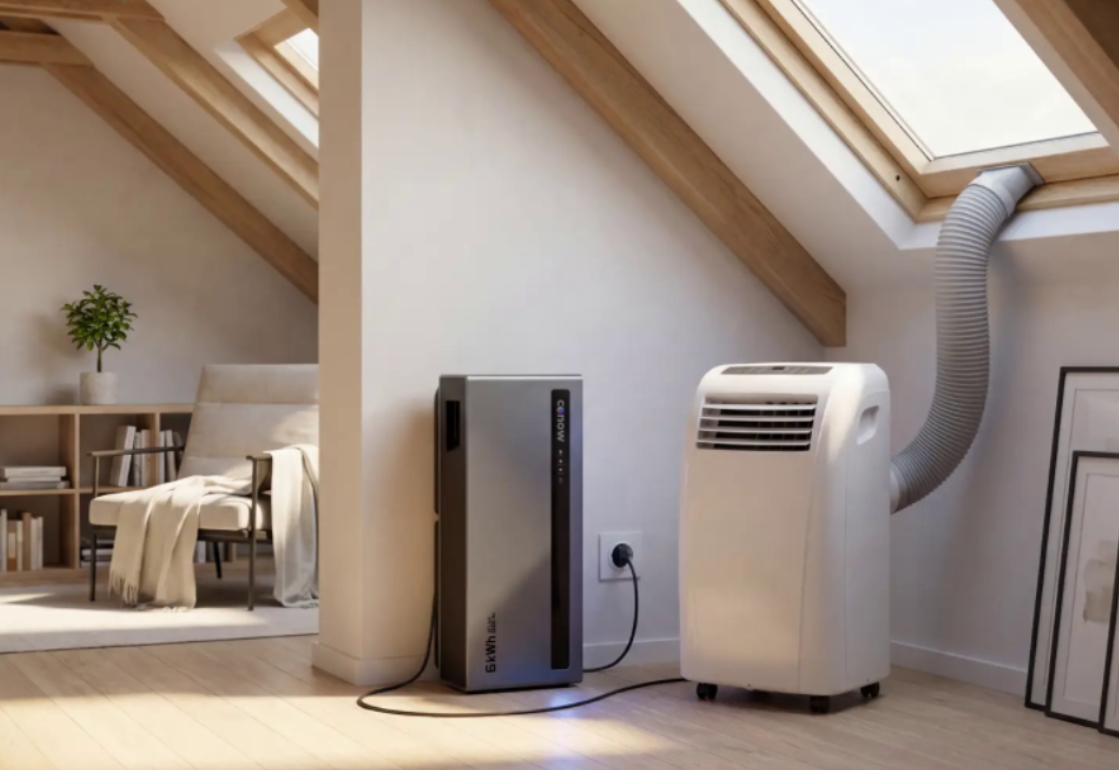
AC-coupled storage connects after your existing solar inverter, on the alternating-current side of the circuit. It uses a separate bidirectional battery inverter. That extra conversion step creates minor efficiency losses, but its superpower is retrofitting. If you already own solar panels and a standard grid-tied inverter you do not want to replace, AC coupling is almost always your most practical route. Atlas 6000 AC solar battery storage is built around this AC-coupled design, making it a seamless retrofit option for existing rooftop solar and balcony PV setups. Many balcony storage kits are built as AC-coupled plug-and-play units for simplicity.
Battery Chemistry: What Cells Belong in Your Solar Storage System
Battery chemistry defines safety, lifespan, usable capacity, and how well the battery handles daily deep cycling. For nearly all residential solar storage today, lithium iron phosphate (LFP / LiFePO4) is the leading choice. LFP cells have strong thermal stability, lower fire risk, and support thousands of deep charge-discharge cycles. They tolerate regular daily cycling far better than older NMC lithium or lead-acid options.
Lead-acid batteries were once standard for off-grid solar, but they only allow shallow discharge, demand regular maintenance, and wear out quickly with heavy daily use. NMC lithium batteries pack more energy density but carry higher thermal runaway risk, which makes them less ideal for garage, cupboard or balcony installations. Always confirm cell chemistry before signing a quote; a low-cost battery using risky cell types is never a bargain for your family home.
Critical Specs Homeowners Must Understand Before Buying
Manufacturers flood product pages with numbers, and it is easy to fixate on one shiny headline spec while missing what actually matters. Let’s unpack the four non-negotiable metrics.
Capacity, Power Rating, Depth of Discharge and Round-Trip Efficiency
Think of capacity, measured in kWh, as the total size of your electricity bucket. Continuous power, measured in kW, is how fast you can pour energy out of that bucket at once. A large bucket with a tiny spout cannot run a power-hungry appliance such as an electric oven, no matter how many kWh it holds.
Depth of discharge (DoD) tells you how much of the battery’s labelled capacity you can safely use each day. A premium LFP battery might support 90% DoD, meaning a 10 kWh battery only delivers 9 kWh of reliable usable energy. Round-trip efficiency tells you what percentage of energy you put into the battery you get back out; losses happen as heat during charging and discharging. This figure varies significantly by coupling architecture: mainstream AC-coupled residential storage systems typically land between 85% and 90%, while DC-coupled setups achieve higher efficiency. Conow lists the Atlas at roughly 87% round-trip efficiency, which is strong for AC-coupled home storage. Reputable manufacturers list these key metrics clearly to help buyers compare real-world performance instead of relying only on headline capacity numbers.
How to Size Your Solar Storage System Correctly
Sizing mistakes are the number one reason homeowners feel disappointed with solar storage. Start with a household energy audit. Pull 3–6 months of energy bills, separate weekend and weekday usage, and note seasonal peaks from heating. Next, define your main goal. If you only want backup for a few critical appliances, you size for that small essential load list. If your goal is maximum evening self-consumption, size around your typical sunset-to-bedtime usage.
Do not just copy your neighbour’s setup. A family that cooks, runs the washing machine and streams media after dark has a completely different energy fingerprint than a household that is gone all day and uses almost no evening power. Smart energy monitors make this process far easier, logging real-time wattage so you do not guess at your true load profile.
Smart Home Energy Management: The Brain Behind Great Solar Storage
A battery is just a passive metal box without intelligent control. Modern solar storage pairs with a Home Energy Management System, or HEMS. This software platform reads live solar generation, weather forecasts, time-of-use tariffs, and your home’s load habits. It automatically decides when to charge from sunlight, charge from cheap grid power, and discharge stored energy.
The best HEMS platforms communicate with your smart thermostat, EV charger, and lighting system. This integration turns isolated devices into one coordinated energy ecosystem. Instead of you manually toggling settings, the system learns your habits and optimises savings and resilience around your life. This is the core of energy optimisation that separates basic batteries from premium solar storage solutions.
Common Pitfalls That Ruin Your Solar Storage Investment
Let’s walk through traps many buyers step into. First, buying based only on kWh capacity and ignoring continuous surge power. Second, choosing DC coupling for an existing solar install, forcing you to replace a perfectly good inverter. Third, ignoring temperature limits: batteries degrade fast in unventilated, overheated garages unless they are rated for high ambient temperatures. Fourth, overbuilding a massive battery for bill savings when your energy supplier offers weak export tariffs that never justify the cost. Fifth, skipping permits, inspections, and landlord approval for balcony storage, which can create safety and insurance headaches. Sixth, misreading warranties that only guarantee 60% capacity retention instead of the standard 80% benchmark.
Conclusion
Solar energy storage is more than an add-on for solar panels; it is the tool that unlocks solar’s full potential. It lets you bank midday sunlight for expensive peak hours, keep critical loads alive during grid failures, and build a more self-reliant home energy routine. Before you buy, define your core goal: bill savings, backup resilience, or simple renter-friendly balcony solar harvesting. Choose the right system type and coupling architecture to match whether your solar is brand-new or already installed, pick safe, long-lasting LFP chemistry, and size carefully from a real household load audit. Prioritise smart HEMS integration if you want hands-off, automated optimisation.
When you get this balance right, your home stops being a passive customer of the grid. It becomes a small, intelligent energy node: capturing sunlight, storing it strategically, and deploying power exactly when your family needs it most.
FAQs
Q1: Can I add solar storage to solar panels I already own?
A: Absolutely. Most existing solar arrays can pair with AC-coupled battery storage without replacing your current inverter. DC-coupled upgrades are possible but usually require swapping to a hybrid inverter, which adds cost and complexity. This is why AC coupling remains the go-to retrofit choice for most homeowners.
Q2: How long will a solar storage battery last on a full charge?
A: There is no single fixed answer. Runtime depends on your simultaneous load draw. A 10 kWh battery running only low-wattage lights and Wi-Fi can last many hours, while running a high-power appliance such as an electric heater can drain it quickly. Always calculate runtime using the battery’s continuous kW rating, not just its kWh capacity.
Q3: Is balcony solar storage considered real solar energy storage?
A: Yes. Balcony solar storage follows the same core operating principle: it captures PV-generated electricity and stores it for later use. It is scaled down for low-load, plug-and-play, renter-friendly deployment, with limitations on whole-home backup and total capacity compared to wall-mounted residential ESS.
Q4: Do solar batteries need regular maintenance?
A: Quality sealed LFP solar storage systems require very little routine maintenance. You should keep vents clear, avoid extreme heat, check app alerts periodically, and follow manufacturer operating limits. Unlike old lead-acid batteries, they do not need regular water top-ups or frequent equalisation cycles.
Q5: Will solar storage automatically lower my electricity bill?
A: It depends heavily on your electricity tariff, export payments, and your daily consumption pattern. If your tariff has steep peak rates and you use most of your power after sunset, storage usually delivers strong savings. If you are home and use most solar power while the sun is up, the financial payback may be slower, though you still gain outage resilience.







