
Artificial Intelligence (AI) has literally transformed industries across the board, and inventory management is no exception. The need for efficient, accurate, and scalable systems is growing, especially in the app development sphere. Businesses are now turning to AI-powered solutions to fulfil all these needs and innovate in the digital realm.
Integrating AI into inventory management can streamline operations. It helps reduce human errors and forecast demand with immense precision. Let’s delve into this blog and explore how you can use AI to revamp your inventory management processes.
What are the Benefits of AI in Inventory Management?
1. Enhanced Decision-Making Through Predictive Insights
AI goes beyond simple analytics by delivering predictive insights that help businesses make proactive decisions. Generative AI app development takes this a step further, enabling systems to analyse historical data alongside external factors. It skilfully examines market trends and consumer behaviour to forecast challenges before they occur. This forward-looking approach empowers businesses to identify potential supply chain disruptions, make strategic decisions about inventory levels and purchasing, and anticipate changes in customer demand based on shifts in the market or competitor actions.
2. Improved Vendor Collaboration and Relationship Management
Businesses use AI for supplier analysis, but AI is also used to boost collaboration with vendors. AI-driven platforms enable seamless communication and data sharing between companies and their suppliers. This level of transparency allows both parties to connect and collaborate on optimal restocking schedules based on real-time data. It helps them negotiate flexible contracts and terms to adapt to demand fluctuations and share insights on production delays, raw material shortages, and logistics challenges.
3. Sustainability and Waste Reduction
AI helps businesses optimise inventory levels in ways that reduce waste and nurture sustainability. AI-driven systems use complex algorithms to fine-tune ordering and replenishment cycles, reducing excess inventory and expired stock.
AI further contributes to decreased overproduction and unsold goods, resulting in reduced waste from perishable items or products with short shelf lives. The ultimate result is a more sustainable supply chain by decreasing overstock-related waste disposal.
4. Seamless Integration with IoT and RFID Technology
AI works hand-in-hand with Internet of Things (IoT) devices and Radio-Frequency Identification (RFID) technology. It uses the power of these technologies to provide deeper insights into inventory management. These technologies allow for real-time monitoring and data collection on the movement and condition of stock.
AI enhances this by analysing data from IoT sensors to track stock conditions, such as temperature or humidity, for perishable goods. It also supports monitoring RFID data to provide accurate stock counts and reduce theft or loss, improving inventory visibility across the supply chain, from warehouse to end-user.
5. Reduced Dependency on Safety Stock
Traditional inventory management relies heavily on maintaining large safety stocks to avoid stockouts. AI reduces the need for excess safety stocks by improving demand forecasts and optimising replenishment schedules.
AI allows businesses to reduce carrying costs associated with holding extra inventory, freeing up capital that would otherwise be tied up in unsold stock and improving overall inventory turnover rates.
Top Applications of AI in Inventory Management
Below are the top applications of AI in inventory management that can boost business efficiency and profitability in no time:
1. Demand Forecasting
One of the most valuable applications of AI in inventory management is demand forecasting. Traditional forecasting methods rely on historical data and often miss out on key factors such as market trends, seasonality, and changing customer behaviour.
AI-powered demand forecasting tools analyse a wide range of data sources, including past sales and external market conditions. They even analyse weather patterns to predict future demand with greater accuracy. This helps businesses:
- Prevent stockouts and overstocking.
- Optimise inventory levels.
- Improve customer satisfaction by guaranteeing product availability.
2. Automated Inventory Tracking
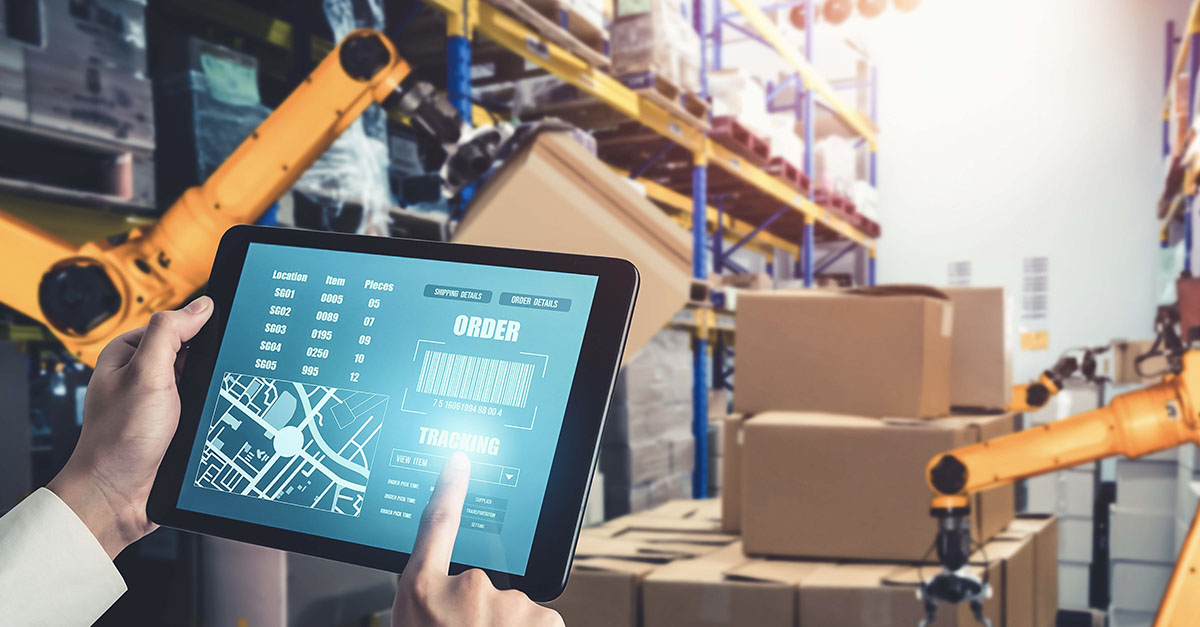
AI helps track inventory in real time across multiple locations, allowing businesses to gain full visibility of their stock levels. Automated systems with the integration of custom AI models can:
- Track stock levels in real time.
- Trigger reorder alerts when stock falls below a predefined threshold.
- Manage inventory movement throughout the supply chain.
This ensures businesses can quickly respond to fluctuations in demand and minimizes the risk of running out of stock.
3. Smart Reordering Systems
AI-based reordering systems take automation to the next level. But at the same time, you need to hire a professional AI development company. These systems use machine learning algorithms to analyze historical data as well as demand trends and supplier lead times to determine optimal reorder points. Smart reordering reduces the risk of human error and ensures that stock levels are replenished at the right time. Key benefits include:
- Dynamic reorder points based on real-time data.
- Reduced holding costs by avoiding excess inventory.
- Automated procurement workflows that enhance efficiency.
4. Warehouse Automation
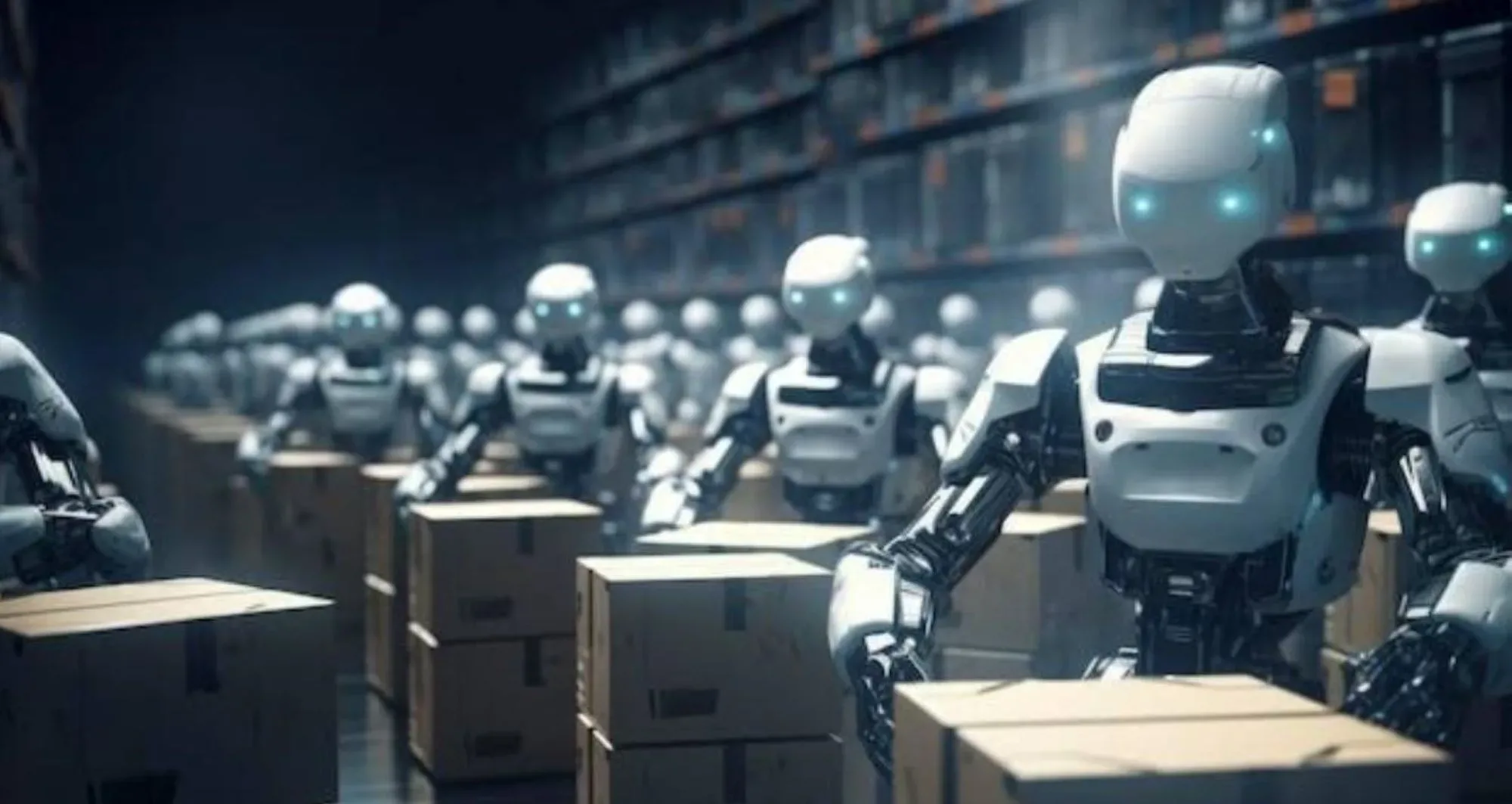
AI-powered robotics and autonomous systems help automate various warehouse operations. AI-driven machines can perform tasks faster and with greater precision than human workers. AI in warehouse automation improves inventory management by:
- Increasing operational speed and efficiency.
- Reducing labour costs.
- Cutting errors in picking and packing orders.
Additionally, AI can optimise warehouse layouts to reduce travel time for picking orders and further simplify operations.
5. Inventory Optimisation
AI-driven inventory optimisation tools help businesses maintain the right amount of stock by analysing factors such as demand variability and lead times. These tools also support inventory managers with service-level requirements. They can:
- Balance stock levels across multiple warehouses.
- Optimise safety stock levels.
- Reduce holding costs while maximising product availability.
AI-based optimisation enables businesses to maintain a lean inventory, reducing costs while ensuring the right stock levels to meet demand.
6. Supplier Relationship Management
AI can analyse supplier performance and generate detailed reports. It tracks metrics such as lead times, pricing trends, and delivery accuracy, enabling businesses to manage their suppliers more effectively and build stronger, more reliable supply chains. By integrating AI into supplier management, companies can:
- Identify the most reliable suppliers based on performance metrics.
- Negotiate better pricing and delivery terms.
- Minimise delays and stock shortages.
7. Real-Time Inventory Analytics
AI-powered analytics tools provide actionable insights into inventory performance. These tools analyse patterns and detect inefficiencies, helping to generate reports on key metrics such as stock turnover. They also provide insightful reports on sales trends and inventory value. With real-time analytics, companies can:
- Make informed decisions about inventory purchases.
- Identify underperforming products.
- Adjust inventory strategies by examining current trends and demand patterns.
8. AI in Supply Chain Management
AI extends its impact beyond inventory management to enhance the entire supply chain. AI systems can analyse supply chain data to predict potential disruptions, optimise delivery routes, and fulfil orders on time. By integrating AI into the supply chain, businesses can:
- Mitigate risks by identifying potential disruptions in advance.
- Reduce transportation costs by optimising delivery routes.
- Improve order fulfilment times and customer satisfaction.
9. Fraud Detection and Prevention
AI detects irregularities in inventory data, which may indicate theft, fraud, or errors. AI systems continuously monitor and analyse inventory transactions, flagging unusual patterns and alerting managers to potential issues before they escalate. AI can:
- Detect discrepancies in stock levels.
- Identify suspicious activity in warehouse operations.
- Prevent financial losses due to inventory theft or fraud.
10. Dynamic Price Optimisation
AI can help businesses implement dynamic pricing strategies by adjusting inventory prices based on demand, competitor pricing, and market trends. AI can also suggest optimal pricing that aligns with stock levels and sales velocity. Dynamic pricing benefits inventory management by:
- Moving slow-selling products through discounts or promotions.
- Increasing profitability by raising prices for high-demand products.
- Balancing inventory turnover rates to avoid excess or obsolete stock.

How to Integrate AI in Inventory Management
1. Assess Current Systems and Identify Gaps
Before implementing AI, conduct a thorough assessment of your existing inventory management system and identify areas where automation can reduce inefficiencies. These areas might include stock replenishment, demand forecasting, and order tracking.
2. Select the Right AI Solutions
There are numerous AI-driven inventory management tools available in the market. Choose a solution tailored to your business size and specific requirements. Ensure the software integrates seamlessly with your existing systems. Key features to consider include:
- Machine learning algorithms for demand prediction.
- Automated restocking alerts based on historical data and trends.
- Real-time data analytics for inventory tracking and reporting.
3. Integrate AI with Your ERP System
Connect AI solutions with your existing Enterprise Resource Planning (ERP) software to achieve optimal results. This promises data flow between various departments like sales, supply chain, and warehousing. It eventually provides a holistic view of your inventory status.
4. Utilise AI for Demand Forecasting
One of the most significant benefits of AI in inventory management is its predictive capabilities. AI-driven demand forecasting tools analyse past sales data, market trends, and seasonal patterns to anticipate future demand. This helps prevent stockouts or overstocking, reduces holding costs, and improves cash flow.
5. Automate Reordering Processes
AI can automate the reordering process by establishing dynamic reorder points. These points adjust based on real-time inventory levels and demand patterns. Businesses can maintain optimal stock levels without manual intervention with automated reordering.
6. Leverage AI for Supplier Management
AI can analyse supplier performance metrics such as delivery times and pricing trends. They also have the power to examine order accuracy. This data helps evaluate and negotiate with suppliers and ensures that you have a reliable supply chain that supports efficient inventory management.
7. Monitor and Optimise with AI Analytics
After AI integration, continuous monitoring is super important. AI-powered analytics dashboards can deliver insights into stock levels. They also curate insights related to inventory turnover and other key metrics. Regularly analyse this data to decode areas for further optimisation and boost decision-making.
Conclusion: The Future Outlook of AI in Inventory Management
The future of AI in inventory management is ready for remarkable advancements with increasing integration of machine learning, IoT, and real-time analytics. Businesses can expect even greater automation and improved demand forecasting with AI’s evolution. They will also receive predictive insights that allow for more proactive decision-making.
The adoption of AI-driven robotics and autonomous systems in warehouses will further streamline operations. It will help in reducing human intervention and boosting efficiency. Also, AI’s role in sustainability and waste reduction will become more prominent as businesses aim to optimise stock levels and minimise environmental impact. Ultimately, AI will continue to revolutionise inventory management, making it smarter, responsive, and super efficient.
Integrating AI into your inventory management system can magically change the way your business operates. AI helps reduce costs and improve efficiency by streamlining processes and improving demand forecasting. If you want to get the maximum benefit of AI in the inventory domain, then connect with a reliable AI app development company. They will help you streamline and simplify your inventory operations with adept AI solutions.