
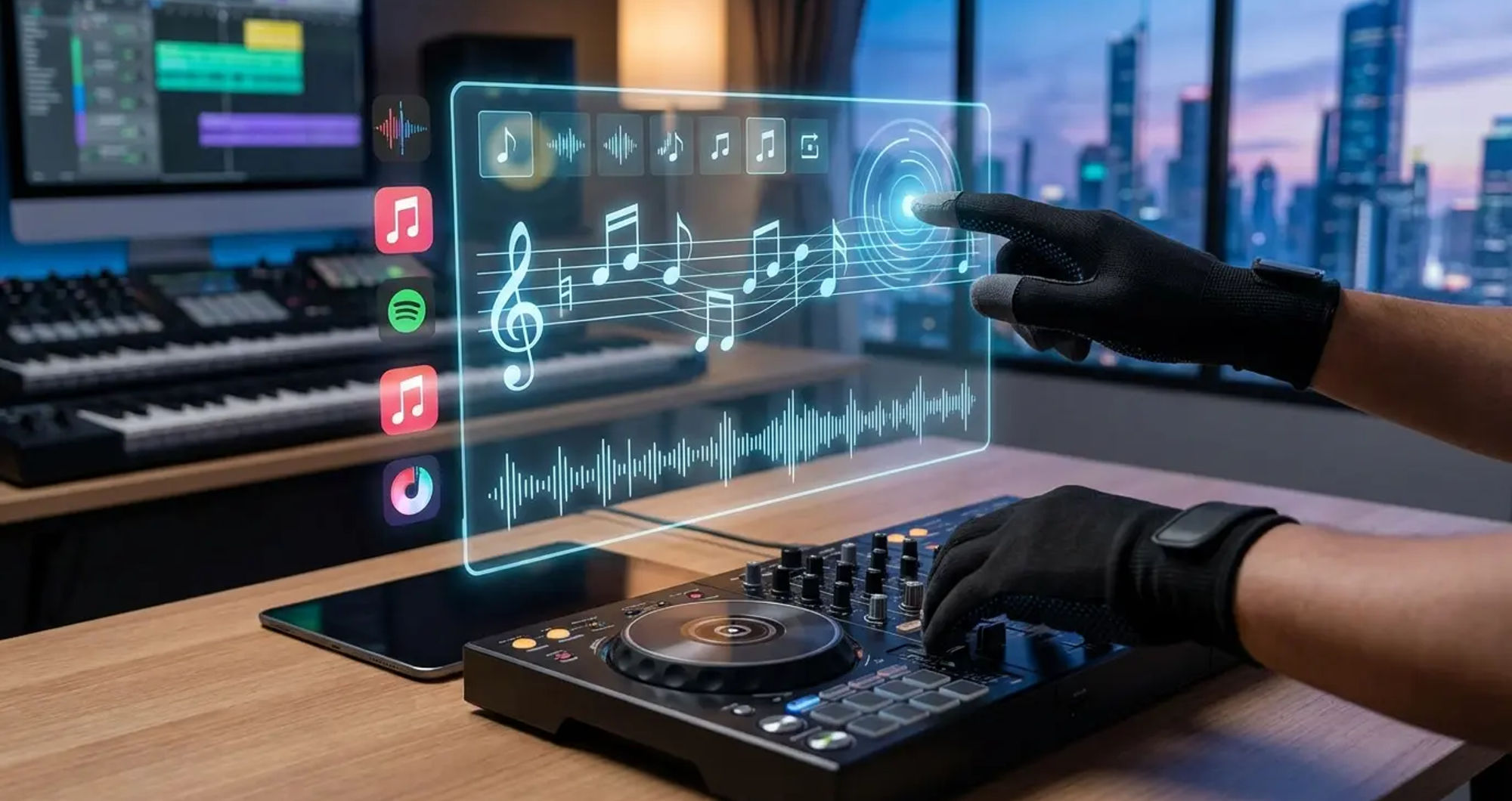

The intersection of artificial intelligence and music has produced some of the most fascinating technological developments of the current decade. As we move deeper into 2026, AI-powered music creation tools have matured from novelty experiments into genuinely useful platforms that serve professional musicians, content creators, marketers, and casual enthusiasts alike. The ability to generate custom music on demand has fundamentally altered how we think about creativity, production, and the relationship between technology and art.
The Emergence of Specialised AI Music Tools
One of the most notable trends in AI music is the emergence of specialised tools designed for specific genres and use cases. Rather than trying to be everything to everyone, many platforms have focused on excelling in particular areas of music creation. This specialisation has led to significantly improved output quality, as models trained on genre-specific datasets can capture the nuances and conventions that make each musical style unique.
The AI Rap Generator from WaveMusic exemplifies this trend toward specialisation. By focusing specifically on rap and hip-hop production, the platform has developed deep expertise in the elements that define these genres: complex rhyme schemes, rhythmic flow patterns, beat selection, and the interplay between vocal delivery and instrumental backing. Users can specify themes, moods, and stylistic preferences to generate rap tracks that feel authentic and professionally produced.
Similarly, comprehensive song creation platforms like AI Song Creator offer versatile tools for generating complete musical compositions across multiple genres. These platforms handle everything from initial melody creation to final mixing and mastering, providing users with polished tracks ready for immediate use in content creation, marketing campaigns, or personal enjoyment.
Understanding the Technology
The technological foundations of modern AI music generation are built on several key innovations. Transformer-based models, originally developed for natural language processing, have proven remarkably effective at understanding and generating musical sequences. These models can process long musical passages while maintaining coherence and structural integrity, addressing one of the fundamental challenges in algorithmic music composition.
Diffusion models represent another important advancement, enabling the generation of high-fidelity audio that rivals professional studio recordings. Unlike earlier sample-based approaches, diffusion models can synthesise entirely new sounds from scratch, creating audio that is both original and remarkably realistic. This capability has been particularly transformative for vocal synthesis, where natural-sounding output requires capturing subtle variations in pitch, timing, and timbre.
Reinforcement learning from human feedback has also played a crucial role in improving the quality of AI-generated music. By incorporating subjective human evaluations of musical quality, pleasantness, and emotional impact, these systems learn to optimise for characteristics that listeners actually care about, rather than simply minimising statistical error metrics.
Creative Applications and Use Cases
The practical applications of AI music generation continue to expand across numerous industries and creative domains. Content creators represent one of the largest and most active user communities, with YouTubers, podcasters, TikTok creators, and Instagram influencers all relying on AI-generated music to provide unique soundtracks for their content.
The advantages for content creators are compelling. AI-generated music eliminates copyright concerns that plague creators who use licensed tracks, provides unlimited customisation options to match specific content needs, and costs a fraction of what traditional music licensing or custom composition would require. Many creators report that AI music tools have dramatically improved both the quality and efficiency of their content production workflows.
In the gaming industry, AI music generation has enabled new forms of interactive audio experience. Adaptive soundtracks that respond to gameplay in real-time create more immersive gaming environments, while procedurally generated ambient music ensures that players encounter fresh audio content even during extended play sessions. Independent game developers have particularly benefited from AI music tools, which allow them to include professional-quality soundtracks without the budget constraints that previously limited their audio options.
Impact on Professional Music Production
Professional musicians and producers have increasingly embraced AI music tools as collaborative creative partners rather than viewing them as competitive threats. Many producers use AI for initial ideation, generating melodic phrases, chord progressions, or rhythmic patterns that serve as starting points for further human creative development. This workflow accelerates the composition process while maintaining the artistic direction and personal touch that distinguish great music from merely competent compositions.
Session musicians have found AI tools useful for creating practice tracks and backing arrangements, while songwriters use them to explore harmonic possibilities and structural variations that might not occur to them through traditional composition methods. The key insight is that AI works best not as a replacement for human creativity but as an amplifier of it, handling routine tasks and providing creative suggestions while leaving final artistic decisions to human creators.
Market Growth and Economic Impact
The AI music generation market has experienced remarkable growth over the past several years, driven by increasing adoption across consumer, commercial, and enterprise segments. Industry analysts estimate that the global AI music market will exceed several billion dollars in value within the next few years, reflecting both the expanding user base and the growing sophistication of available tools.
This growth has been accompanied by significant investment in research and development, with major technology companies and specialised startups alike pouring resources into improving the quality, versatility, and accessibility of AI music tools. Competition among platforms has driven rapid innovation, with new features and capabilities being introduced regularly.
Ethical Considerations and Industry Standards
The rapid growth of AI music generation has raised important ethical questions that the industry continues to grapple with. Issues of copyright, attribution, and the impact on professional musicians remain actively debated topics. Some argue that AI-generated music devalues human creativity, while others contend that it creates new opportunities by expanding the overall music ecosystem.
Industry organisations have begun developing standards and best practices for AI-generated music, including guidelines for disclosure when AI tools are used in commercial productions and frameworks for ensuring that training data is sourced ethically. These efforts represent important steps toward building a sustainable and fair ecosystem that benefits both technology developers and the broader music community.
Looking Forward
The future of AI music generation promises continued innovation and expanding capabilities. Real-time collaborative tools that allow human musicians and AI systems to create music together in live performance settings are already being developed. Multi-modal AI systems that can generate music in response to visual input, text descriptions, or emotional cues will further expand the creative possibilities available to users.
As the technology continues to mature, we can expect AI music tools to become even more intuitive, powerful, and integrated into everyday creative workflows. The fundamental goal remains constant: to make musical expression accessible to everyone while providing professional creators with powerful new tools for pushing the boundaries of their art.







