
For many cat parents, unpleasant odours, sticky clumps, and endless cleaning routines are part of daily life. The type of litter box you choose plays a major role in these problems. So, are stainless steel litter boxes truly better than plastic?
Yes, they offer a cleaner, more durable, and more odour-resistant solution.
However, even the best material cannot solve the limitations of manual scooping. This is why it’s important to look at both the material and the user experience as we explore deeper comparisons and introduce the next-generation upgrade.
The Hidden Problem with Standard Plastic Litter Boxes
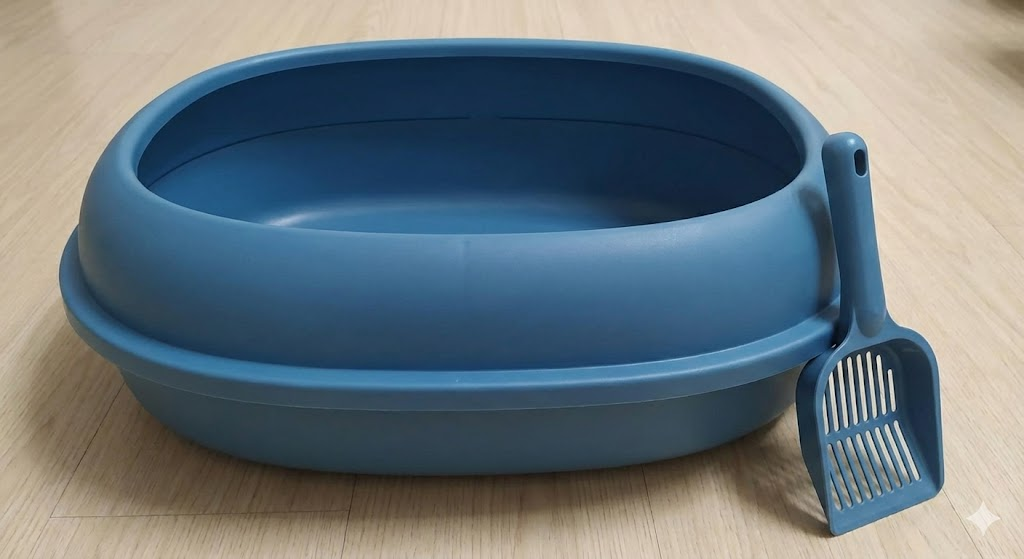
Before stainless steel became popular, most cat owners relied on plastic boxes. The issue is that plastic seems smooth on the surface, but is actually a porous material. Tiny pores capture urine, odour molecules, and bacteria.
As time goes on, scratches caused by scooping tools create even more spaces for bacteria to grow. This leads to several predictable problems:
- Odours become increasingly difficult to remove
- Bacterial buildup continues even after washing
- Stains and residue appear more frequently
- Replacement becomes necessary every six to twelve months
These long-term issues show why plastic litter boxes often lose their freshness quickly.
Why Stainless Steel Is the Hygienic Champion
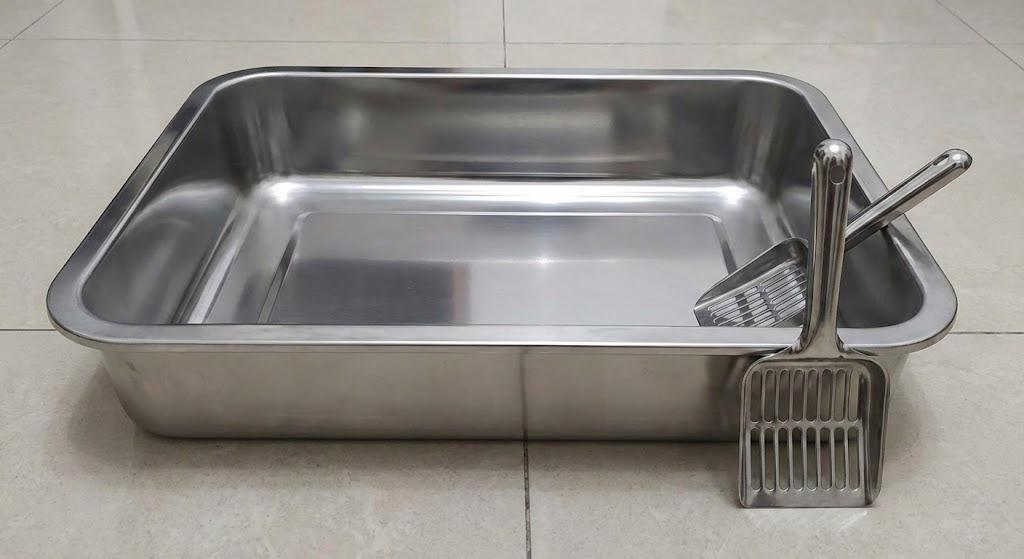
Stainless steel litter boxes have gained popularity for good reason. They address nearly all the core weaknesses of plastic. Their advantages extend far beyond durability and into genuine long-term hygiene.
The Power of Non-Porous Materials
Premium 304 stainless steel features a non-porous, smooth surface free from microscopic holes. This structure prevents urine absorption and dramatically reduces bacterial growth. It creates a cleaner and healthier litter environment for both pets and owners.
Key advantages of stainless steel include:
- A surface that does not absorb urine
- No lingering odour after rinsing
- Simple cleaning without scrubbing or residue
- Consistent hygiene for multi-cat households
Because bacteria and odour-causing compounds cannot cling to the surface, stainless steel maintains a fresh smell far longer than plastic ever could.
Durability and Cost-Effectiveness
Stainless steel may cost more initially, but it saves money over time. Unlike plastic, which degrades, cracks, scratches, and absorbs odours:
- Stainless steel is scratch-resistant
- It does not rust or degrade even with heavy use
- It maintains its shine and cleanliness for years
- Replacement is rarely needed
When comparing long-term costs, stainless steel becomes a more practical investment, reducing waste and offering a far superior user experience.
Stainless Steel vs. Plastic Litter Boxes: A Head-to-Head Comparison
To help visualise the differences clearly, here is a concise comparison across essential categories:
Feature
Stainless Steel
Plastic
Odor Control
Excellent, non-porous
Poor, absorbs smells
Hygiene
High, bacteria-resistant
Low, bacteria buildup
Durability
Long-lasting and scratch-resistant
Easily scratched and damaged
Cleaning Difficulty
Easy, non-stick surface
Hard to remove stains and residue
Cost Over Time
One-time investment
Frequent replacements
Is Material Enough? The Limits of Manual Scooping
Even though stainless steel solves odour retention and hygiene issues, one fundamental challenge remains unchanged: cat waste continues producing odour until it is removed.
No material, no matter how advanced, can prevent odour creation. Because of this, the cleanliness of any manual litter box ultimately depends on your scooping habits.
Odours can still develop in several situations:
- When work schedules delay daily scooping
- When multiple cats share one box, and waste accumulates quickly
- When owners travel or return home late
- When waste sits for long hours during the day
Material can only improve how clean the box stays after cleaning. It cannot eliminate the need for cleaning itself. This is why automation has become the next major breakthrough in litter box innovation.
The Evolution of Open-Air Hygiene: Open-Top Cat Litter Box
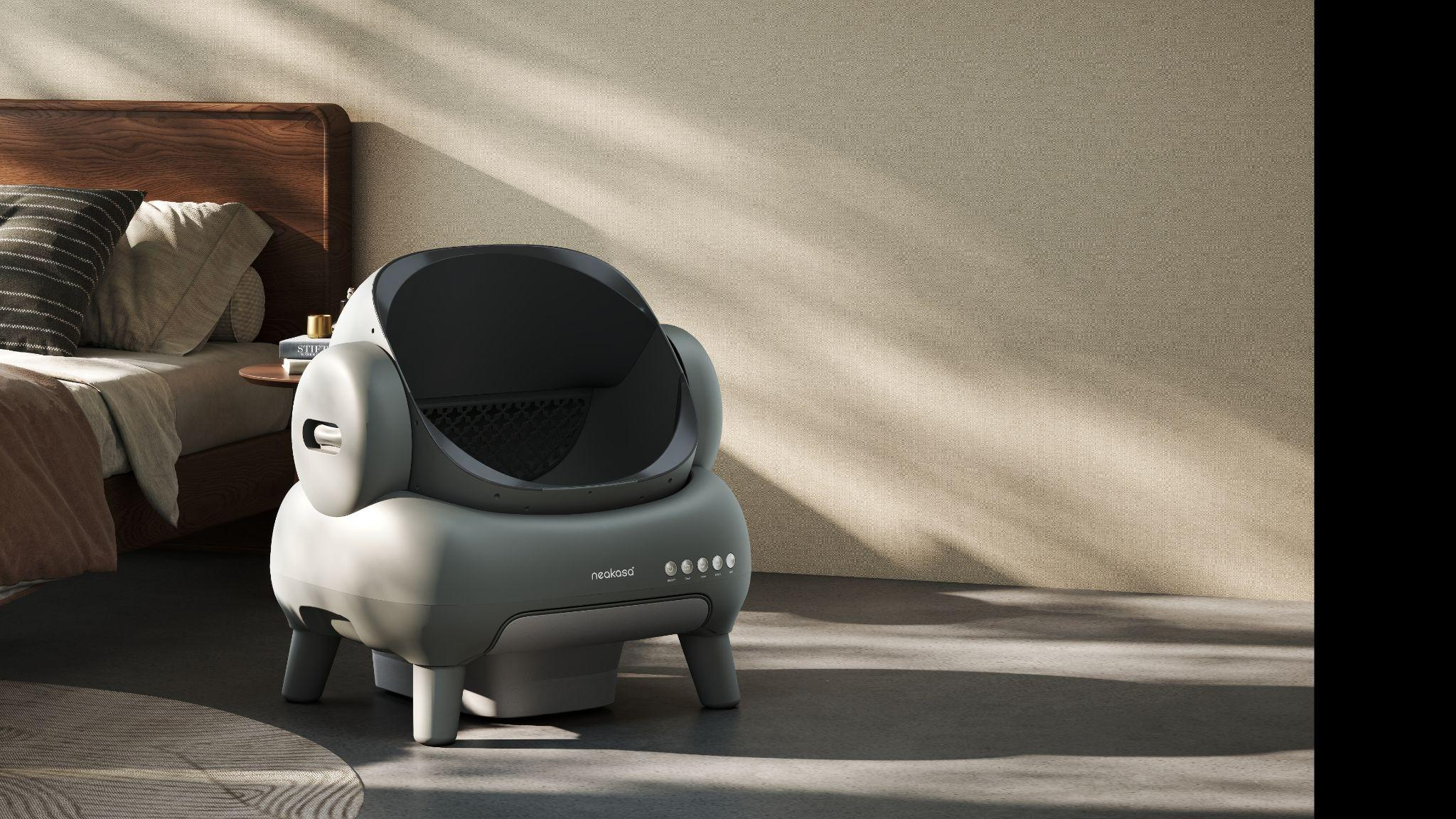
As cat owners seek better hygiene and easier maintenance, smart open-top litter systems have become the next logical step. The Neakasa M1, for example, combines the hygiene benefits of stainless steel with the convenience of modern automation.
- Automatic cleaning within minutes of use
- An open-top design that reduces stress and encourages natural behaviour
- Effective odour control by preventing buildup
- A completely hands-free, scoop-free experience
- Safe usage for multi-cat homes thanks to smart sensors
Instead of simply improving the material, the M1 enhances the entire litter care routine, helping cat owners maintain a fresher home with less effort.
Final Verdict: Which One Should You Choose?
Choosing the ideal litter box depends on your cleaning habits, lifestyle, and expectations for hygiene. Stainless steel is a substantial upgrade compared to plastic, offering better durability, cleanliness, and odour resistance. But for those who want the highest level of convenience and odour control, smart systems like the Neakasa M1 offer a transformative experience.
Recommended Options
- Best Manual Choice: 304 Stainless Steel Litter Box
Ideal for cat parents who don’t mind scooping but want a cleaner, more durable alternative to plastic. It reduces odours, prevents bacteria buildup, and lasts much longer.
- Best Overall Upgrade: Neakasa M1 Open-Top Automatic Litter Box
Perfect for households seeking a fully automated, scoop-free experience. Reliable odour control, an open-top design, and smart cleaning make it the most convenient and hygienic option.
If you want cleaner air, fewer odours, and a more effortless daily routine, upgrading to stainless steel or the Neakasa M1 will make a noticeable difference in your home.