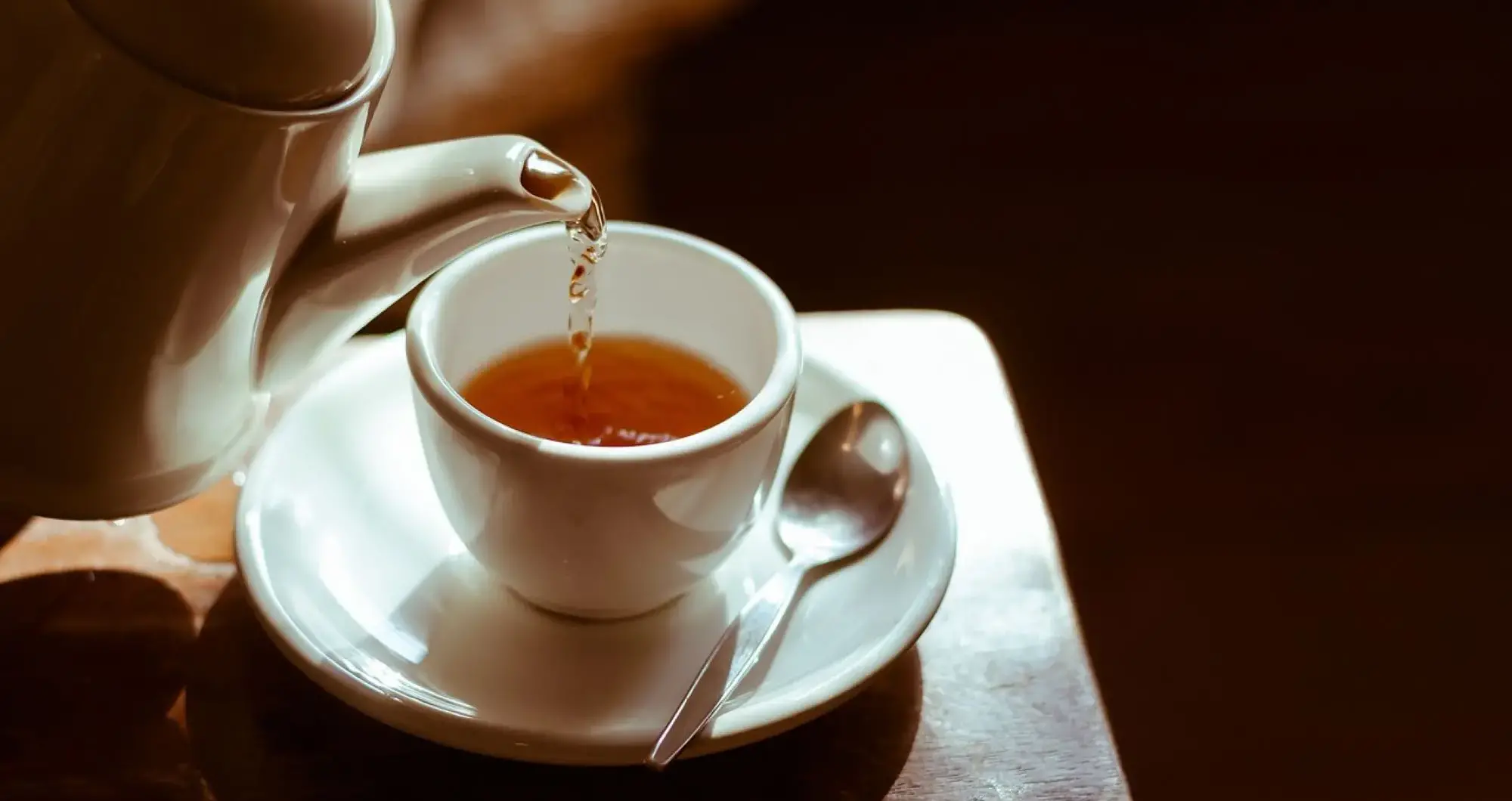

This Afternoon Tea Week (12th- 18th August) make sure that you’ve got your facts straight.
Milk before tea was what was called for in days gone by – certainly for practical reasons over taste. Regardless of how you pronounce it, scones didn’t factor into afternoon tea until the early 1900s. We can also thank monks for cream tea. And if you’re tempted to put your pinkie finger up whilst enjoying a cup of tea, this was considered quite improper, so a big no no!
Inspired by the iconic The Royal Horseguards Hotel, steeped in history and the perfect venue to enjoy a traditional English Afternoon Tea, history broadcaster and author, Alice Loxton, famously known as History Alice, has dived into the facts based all around this renowned tradition so you don’t have to. The full run down of afternoon tea facts can be found below.

Alice Loxton, History Alice, comments:
“Afternoon Tea is a British institution, but it has fascinating roots and many elements within its origin story to have become what we know and love afternoon tea to be today.“Tea technically doesn’t actually need to be taken with afternoon tea believe it or not, but of course this would raise some eyebrows and rightly so – but adding Champagne can transform your humble afternoon tea into a ‘Royal’ one. So now you have the perfect way to give yourself a royal treat.”
Available now at The Royal Horseguards Hotel, guests can enjoy a traditional afternoon tea experience in one of London’s most iconic buildings. Designed by Alfred Waterhouse, whose architectural legacy in London includes the Natural History Museum, it has played host to some of Britain’s greatest writers, thinkers and political leaders – including being the original headquarters of MI5 and MI6 and home of its first chief Sir Mansfield Cumming. It has also been said that the building inspired Hogwarts.

Providing the ‘Classic Afternoon Tea’, three tiered courses of sandwiches, scones and sweets can be enjoyed with a tea of your choice. A smaller ‘Cream Tea’ option is also available for those who want to indulge and celebrate the scone. Additional cocktails, Lanson Champagne and sparkling wine is also available for those wanting a twist on a classic.
Afternoon Tea Facts
- Regardless of how you say it, scones were not included in afternoon tea until the early 1900s.
- Historically, milk was poured into the cup before the tea, to protect the delicate china tea cups.
- Between 2pm and 5pm is when Afternoon Tea is traditionally served.
- The answer to the age-old question of whether to put jam or cream on your scone first varies from place to place, with tradition dictating that if you’re from Cornwall it’s jam first then cream, while Devonians do the opposite.
- Afternoon Tea was established by Anna, the Duchess of Bedford in the 19th Century as she would get peckish around 4pm ahead of her usual dinner time of 8pm – and found the occasion called for tea and some cake. Anna’s ritual of Afternoon Tea was made more fashionable once she started sharing the moment with her friend, Queen Victoria.
- When you include a glass of champagne, your afternoon tea becomes a ‘Royal Afternoon Tea’, and it is known as a ‘Sparkling Afternoon Tea’ when you include a glass of prosecco, cava or sparkling wine.
- Until the mid-18th century, ale and gin were the drink of choice for most people. Once tea came along, the fashion changed, and tea became Britain’s most popular beverage!
- Cream tea is actually believed to have its origins in 10th-century monk culture. In Tavistock, Devon there are the ruins of Benedictine Abbey. Manuscripts recovered from the location described how monks served bread with clotted cream and strawberry preserves to workers who helped to rebuild the Abbey after a Viking Raid in 997AD. The sweet and savoury treat became a firm favourite with Devonians and the monks began to pass their recipes on to locals, thereby starting the traditional Devonshire cream tea.
- ‘High Tea’ isn’t technically ‘Afternoon Tea’… whilst the term High Tea might be used to describe Afternoon Tea nowadays, the original terms was used more in working-class households and would involve meat and fish dishes, as well as being seated at a ‘high table’ (see what they did there), whereas ‘Low Tea’ or ‘Afternoon Tea’ was enjoyed on low tables and comfortable seating, to help keep hunger at bay.
- ‘Pinkies Up’ is a Mini Faux Paus…a move that many used to mimic the Royal family, it is an unnecessarily fiddly and potentially even impolite technique – which in modern times may even come across elitest. The correct way to hold a teacup is in fact with one or two fingers of the hand put through the hole of the cup handle. The cup should be balanced with your thumb on top and your other fingers curled underneath.
For more information, please contact: [email protected]
- The Classic Afternoon Tea at The Royal Horseguards Hotel is available to book via online.
- £55pp – with option to include a glass of Lanson champagne or Chapel Down English sparkling wine for additional cost
- A selection of carefully curated afternoon tea cocktails is also available
- To book a stay at The Royal Horseguards Hotel you can book via online.
- Current offers include 20% off 2-night stays or longer from now until the 8th of September
About Clermont Hotel Group
Clermont Hotel Group is a pioneering hotel owner-operator with a portfolio which comprises 5,000+ bedrooms and 120+ meeting and event spaces across such iconic brands as The Royal Horseguards Hotel, The Clermont, and Thistle. Its guest-centred approach allows Clermont Hotel Group to create real, bold, and adaptable experiences for guests at every location. The business prides itself on having diverse teams and is committed to ensuring it provides exciting and enriching careers, as well as being recognised as one of the UK’s Best Workplaces™ 2024 by Great Place to Work UK. Its Corporate Social Responsibility agenda highlights its ongoing commitment to promoting environmental sustainability within local communities.
The Classic Afternoon Tea at The Royal Horseguards Hotel is available to book via online.
Feature Image by dungthuyvunguyen from Pixabay