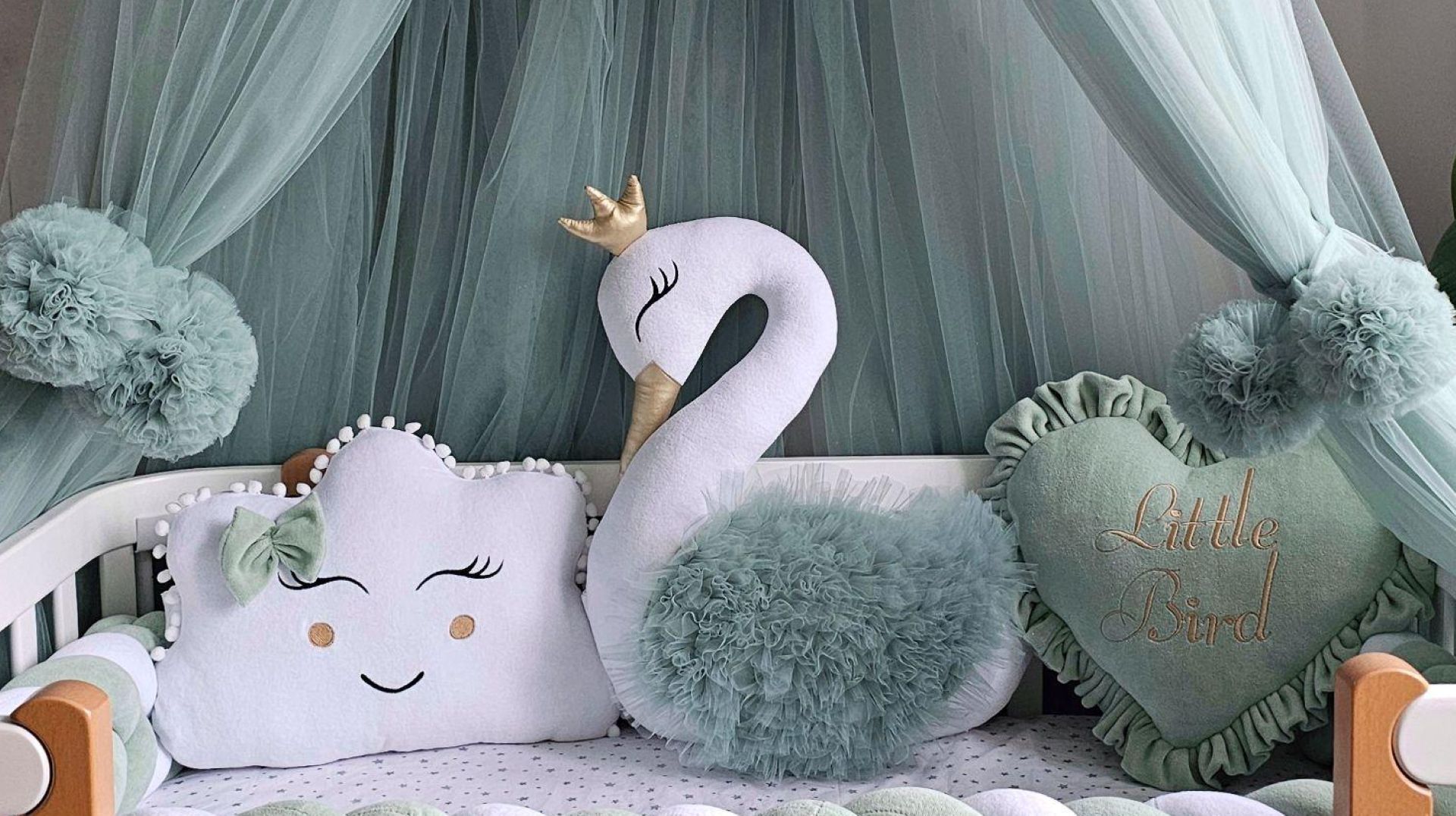

Baby Bedding: How Modern Design Shapes Comfort and Safety
Over the last decade, the world of baby bedding has undergone a quiet revolution. What was once seen as a purely functional product is now at the intersection of design, science, and emotional connection. Parents are increasingly seeking options that combine comfort, sustainability, and aesthetics — transforming the nursery into a reflection of modern values.
The Evolution of Baby Bedding
Traditional baby bedding focused mainly on softness and warmth. But today, the conversation has shifted toward breathable fabrics, safety certifications, and ethical sourcing. Innovations in material science and textile production have made it possible to create bedding that not only looks beautiful but also contributes to a baby’s well-being.
Safety and Materials: What Parents Should Know
Safety is now the most important factor for parents choosing baby bedding. Experts recommend natural, hypoallergenic materials that prevent overheating and skin irritation. Organic cotton, bamboo, and breathable velour have become the materials of choice — offering both comfort and peace of mind.
The New Aesthetic: Calm, Minimal, and Meaningful
Nursery design has embraced a softer, more natural aesthetic. Instead of bright colours and busy patterns, parents now prefer muted tones — beige, blush, sage, and cream — that create a calming environment. Designers note that this minimal approach supports emotional regulation and better sleep for babies.
Craftsmanship and the Return of Handmade Quality
In an era of mass production, handmade baby bedding is gaining popularity. Small-scale brands are focusing on artisanal techniques, attention to detail, and personal connection with customers. Companies like Kari Studio represent this new generation of creators — merging traditional craftsmanship with modern functionality.
Sustainability and Ethical Choices
Eco-friendly production is no longer a luxury but an expectation. Parents are increasingly aware of the environmental impact of their purchases and are drawn to bedding made from responsibly sourced fabrics and non-toxic dyes. Sustainable design also means durability — creating pieces that last beyond the first year of childhood.
How to Choose Baby Bedding: Expert Tips
When selecting baby bedding, experts suggest focusing on four key aspects:
- Breathability – ensures proper airflow during sleep.
- Hypoallergenic fabrics – reduce the risk of irritation.
- Washability – easy to clean without losing softness.
- Design harmony – complements the overall nursery style.
Balancing these qualities creates a comfortable and safe environment for both baby and parent.
Design as an Expression of Care
Beyond its physical function, baby bedding plays a symbolic role — it’s the first layer of care surrounding a child. When chosen thoughtfully, it reflects the parents’ values: love for nature, appreciation for design, and attention to detail. This emotional connection transforms ordinary fabrics into something deeply personal.
Conclusion: Where Function Meets Meaning
The modern baby bedding industry stands at the crossroads of comfort, sustainability, and design innovation. From safe materials to conscious aesthetics, today’s bedding is about more than sleep — it’s about creating an environment of trust and beauty. Brands like Kari Studio illustrate this shift, blending artisanal craftsmanship with modern principles to redefine what baby comfort truly means.