
Living in the city often means compromising on outdoor space. For many, the idea of growing food at home seems impossible without a garden. However, with a little creativity, even the smallest balcony or rooftop can become a thriving space for edible plants. All you really need is some sunshine, a few containers, and the right choice of vegetable seeds to get started.
Making the Most of Limited Space
Balconies may be compact, but they often benefit from good sunlight exposure. To maximise space, think vertically as well as horizontally. Rail planters, hanging baskets, and tiered shelving can create several levels of growing areas without taking up valuable floor space. Wall-mounted pots or trellises allow climbing plants to grow upwards, freeing space for other crops below.
Before planting, it’s a good idea to observe how much sun your balcony receives throughout the day. South-facing spaces tend to be the most productive, but even shaded areas can support crops such as spinach, rocket, or salad leaves. By choosing plants that suit your microclimate, you’ll increase your chances of success.
Choosing the Right Containers
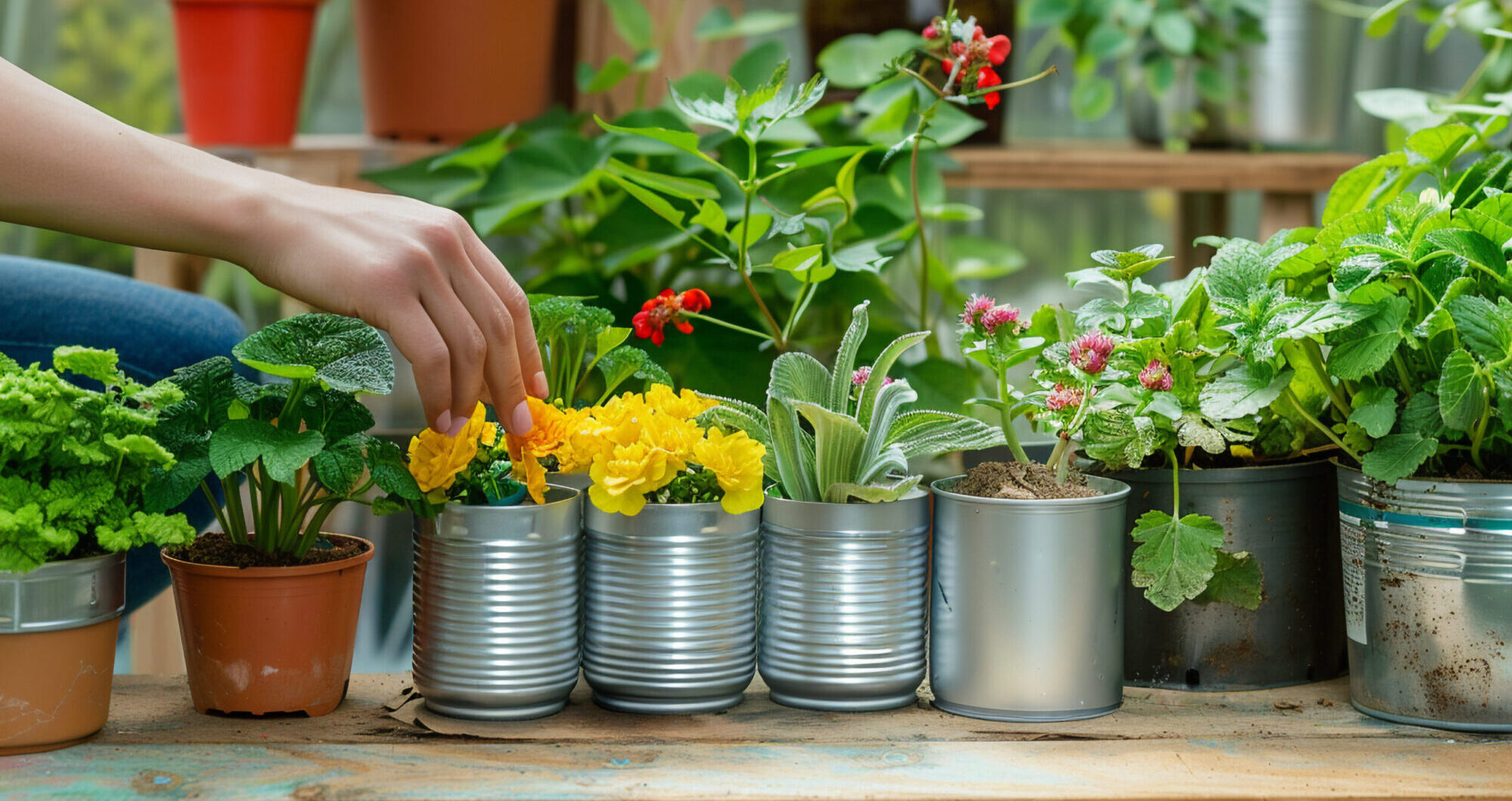
Container choice is key when growing food in small spaces. Many vegetables need deeper pots than standard decorative planters provide, as their roots spread downwards. Buckets, crates, and purpose-made grow bags all work well, provided they have drainage holes to prevent waterlogging.
Lightweight materials such as plastic or fabric are easier to handle on upper floors. To maintain a stylish look, you can place simple pots inside decorative covers or group them together for a neat, cohesive appearance. Tall plants like tomatoes or beans will need canes or trellises for support, while low-growing crops such as lettuce and radishes thrive in shallower containers.
Best Vegetables for Balconies
Not every crop is suited to balcony life, but plenty will grow happily in containers. Tomatoes are a classic choice: compact varieties such as cherry or dwarf tomatoes are particularly rewarding. Radishes, spring onions, and salad leaves grow quickly, offering fast results for new gardeners.
Climbing vegetables is another smart option. Runner beans, French beans, and peas grow vertically, taking up little floor space. Herbs such as basil, coriander, parsley, and thyme are also excellent for balconies, as they don’t need much room and can be harvested repeatedly. Mixing flowers in amongst the vegetables not only brightens the space but can also encourage pollinators, which help improve yields.
Watering and Feeding
Containers dry out more quickly than garden beds, especially when exposed to sun and wind. Regular watering is vital, particularly during warm weather, though overwatering can be just as damaging. A good approach is to water little and often, allowing the soil to stay consistently moist without becoming soggy.
Adding a layer of mulch, such as bark, coir, or even pebbles, helps to retain moisture and regulate soil temperature. Balcony-grown plants also benefit from feeding, as nutrients in containers are quickly depleted. A balanced liquid fertiliser applied weekly will help keep crops healthy and productive.
Overcoming Urban Challenges
Urban environments present unique challenges for gardeners. Pollution can leave a residue on leaves, so it’s always sensible to wash produce thoroughly before eating. Birds, especially pigeons, may be drawn to your crops; lightweight mesh or netting provides simple protection without taking up much space.
Wind can also be an issue on higher floors. Securing pots to railings or using heavier containers at the base will reduce the risk of them toppling over. Staking tall plants gives extra stability, while clustering pots together can create a sheltered microclimate that helps protect delicate crops.
Harvesting on a Balcony
One of the great joys of balcony gardening is how quickly the effort pays off. Leafy greens and herbs can often be harvested within weeks, giving a steady supply throughout the season. Radishes are another speedy crop, while tomatoes and beans reward patience with abundant harvests later in the summer.
The trick is to harvest regularly. Picking leaves, herbs, and pods encourages plants to produce more, extending their usefulness over time. Even with a modest collection of pots, you can enjoy fresh produce that’s both satisfying and sustainable.
Creating a Green Retreat
Beyond the practical benefits, balcony gardens add character and calm to urban homes. The simple act of nurturing plants brings a touch of nature into the city and provides a welcome break from the concrete landscape. With clever use of containers, vertical growing structures, and a thoughtful choice of crops, even the smallest outdoor space can be transformed into a productive retreat.
Gardening on a balcony may not replace the harvests of a large allotment, but it offers something equally valuable: the chance to grow your own food in the heart of the city. Whether it’s a handful of salad leaves, a pot of herbs by the kitchen door, or a balcony wall covered in climbing beans, these small-scale efforts prove that fresh, homegrown produce is possible wherever you live.