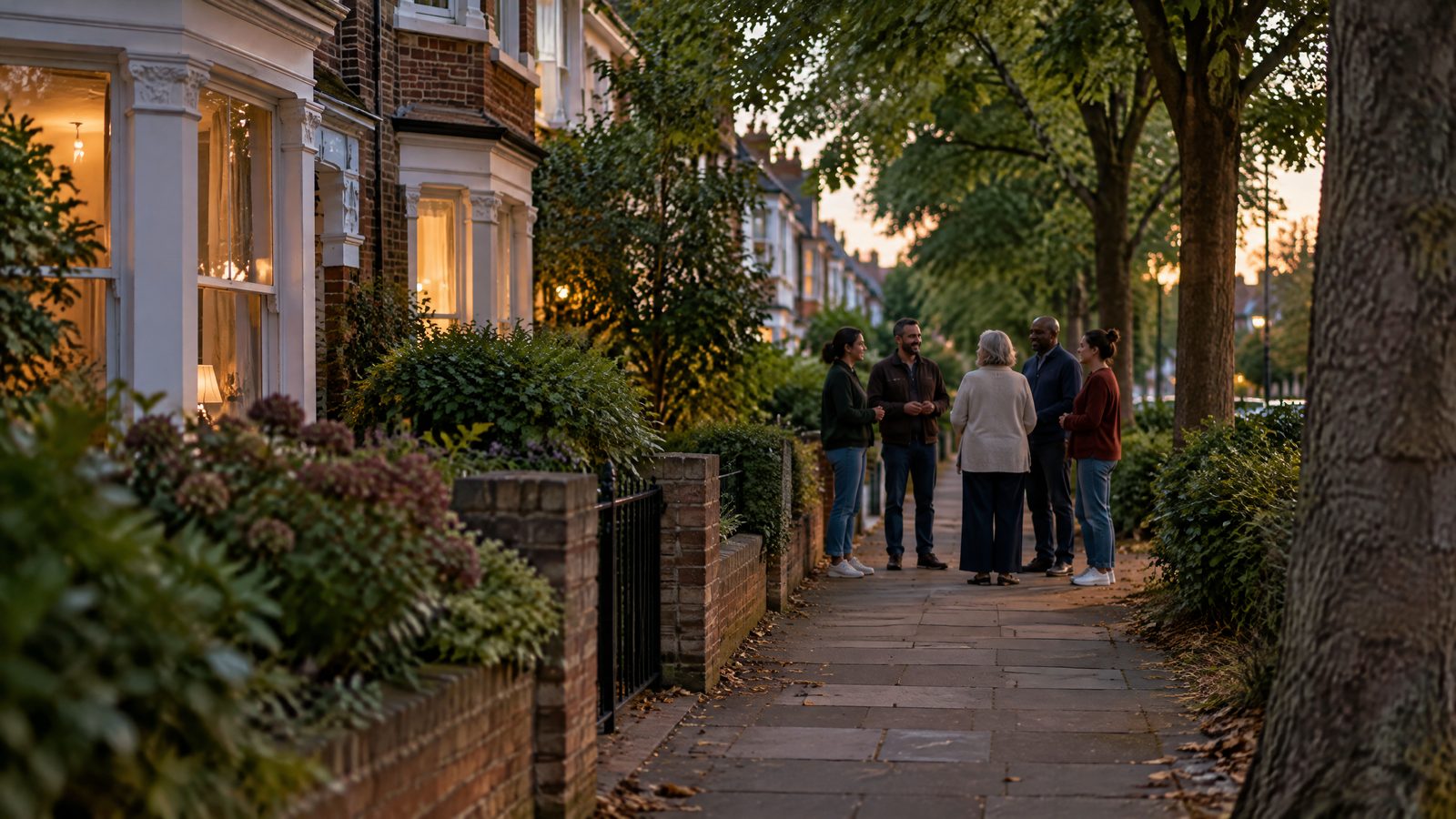

Barnet Council and the Metropolitan Police have said they are working with Jewish communities as the High Holy Days begin, with the borough setting out a programme of reassurance and community-safety support during the religious period.
The council said Rosh Hashanah, the Jewish New Year, began on the evening of Friday 11 September and marked the start of the High Holy Days. It offered its good wishes to residents observing the festival and said the partnership work had been developed with local Jewish communities.
The announcement centres on visible reassurance and engagement rather than a new emergency measure. It says the Metropolitan Police’s Community Protection Team has been working alongside community representatives and will continue its presence in parts of the borough with significant Jewish communities. The council said this would be supported by the borough’s existing CCTV network.
No locations, patrol patterns or other operational arrangements have been made public. That is an important distinction: the statement is a broad account of coordination and support, not a description of a specific threat or an instruction for the public to change its normal plans.
Focus on reassurance and engagement
For many Jewish residents, the High Holy Days are a significant period in the calendar, combining worship, family life and reflection. Barnet’s statement presents the work as a partnership with communities at a time when the council says it wants people to feel supported in taking part in religious life.
Superintendent Tanya Lloyd, the Met’s policing neighbourhoods lead in Barnet, has written to Jewish community leaders to outline the force’s plan for the period, according to the council. The contents of that communication have not been published in the announcement, and the council has not set out further operational detail.
The council said its approach includes community safety support and engagement with local groups. Its wording also places emphasis on listening to residents and maintaining contact with community leaders, rather than portraying the period solely through a policing lens.
That balance matters during a period of religious observance. Public reassurance can involve more than officers being seen in public spaces: it also depends on clear communication, trusted local relationships and a route for concerns to be raised with the organisations responsible for responding to them.
Funding and wider community work
Barnet also linked the announcement to a £500,000 government grant awarded to the council in May for work on community cohesion. The council said the funding would help build capacity for community-safety support, targeted engagement initiatives and programmes involving schools and young people.
It described the work against a backdrop in which Jewish communities had faced antisemitic attacks during the year. That assessment is the council’s, and the announcement does not provide a breakdown of incidents, identify particular locations or attribute any individual events. The council’s stated objective is to strengthen support and cohesion with local communities.
The reference to schools and young people suggests the work is intended to extend beyond the immediate festival period. Community cohesion programmes generally seek to make space for dialogue, education and local participation; however, the council has not announced a timetable for individual projects or made claims about outcomes.
The practical message from the announcement is therefore one of continuing coordination. Council officers, police and community leaders are expected to remain in contact through the High Holy Days, while the borough’s longer-term cohesion work develops under the government-funded programme.
A measured public message
The council’s update does not announce restrictions, changes to public access or a specific incident. Nor does it set out a new legal power or a formal change to policing policy. Instead, it records a public commitment by local authorities to work with Jewish communities during an important religious observance.
For residents, the value of such an announcement is likely to rest on whether it translates into calm, accessible communication and a sense that concerns can be heard. The council has said it will continue to work with communities, while the Met’s engagement with local leaders is intended to support that aim during the High Holy Days.
As the observance continues, Barnet’s message is one of solidarity and preparedness. Its stated focus remains community reassurance, ongoing engagement and support for residents celebrating the Jewish New Year.