
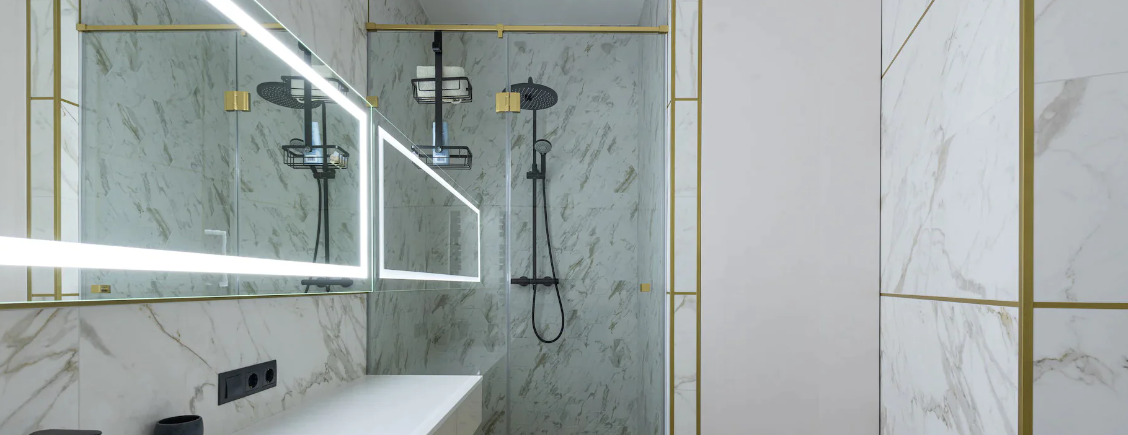

Have you ever walked into a bathroom and felt an immediate sense of harmony? Where everything seems perfectly placed, both for your comfort and visual pleasure? That’s the magic of balancing functionality with aesthetics in bathroom design.
In this article, we’ll explore how to strike this delicate balance, transforming your bathroom into a sanctuary that caters to both your practical needs and aesthetic desires.
Enhancing Bathroom Design with HOUSE OF ENKI
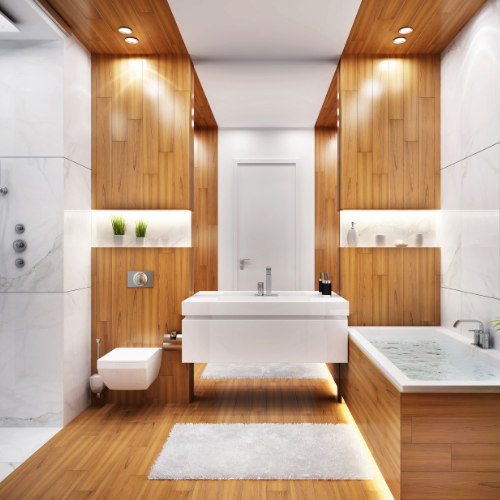
Integrating the right fixtures and fittings is a key aspect of achieving the perfect balance between function and aesthetics in bathroom design and House of Enki, an online bathroom specialist, offers an extensive choice of designs to match any bathroom style. Their focus on traditional designs, inspired by various periods of British architecture, alongside contemporary options, provides a wide array of choices for those looking to create a bathroom that is not only practical but also visually appealing.
Their product range, which includes high-quality, stylish options for every taste and budget, can help elevate any bathroom design. From elegant taps and shower sets to sleek and functional storage solutions, Enki ensures that every aspect of bathroom design is covered, marrying functionality with aesthetic elegance. Their products are designed with both durability and style in mind, ensuring longevity while enhancing the overall look of the bathroom.
Whether you’re refurbishing an old bathroom or creating a new one from scratch, Enki’s offerings could be the ideal complement to your design vision.
Essential Components of a Functional Bathroom
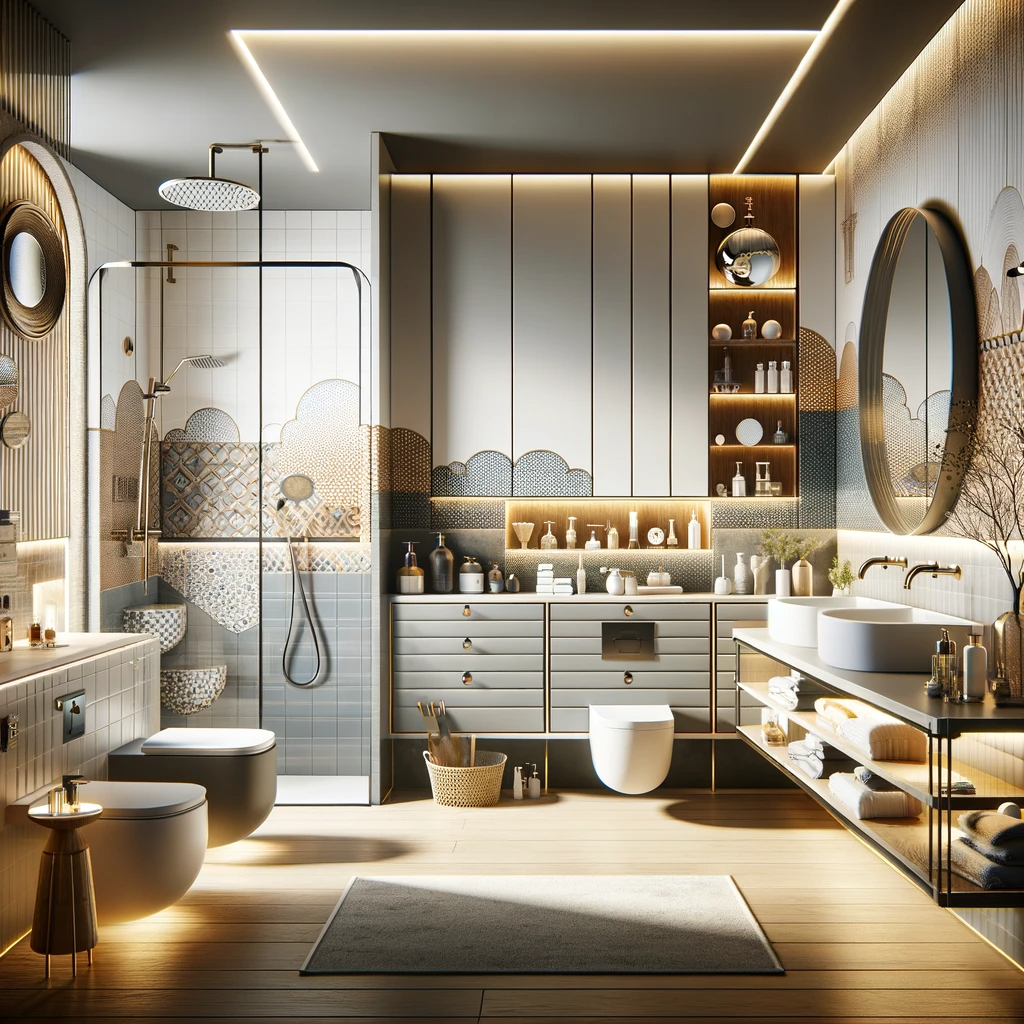
A functional bathroom, at its core, is designed to cater to our daily routines with ease and efficiency. To achieve this, several key elements must be carefully considered and integrated.
- Ergonomic Layout: The heart of a functional bathroom is its layout. It’s essential to have a design that allows for smooth movement and easy access to various fixtures. The placement of the shower, basin, and toilet should be strategic, ensuring there’s enough room to move around without feeling cramped.
- Effective Ventilation: Good ventilation is crucial. It not only helps prevent mould and dampness but also maintains air quality. A well-placed extractor fan or a window that can be opened is a must-have for any functional bathroom.
- Adequate Lighting: Lighting plays a dual role in functionality and aesthetics. Bright, clear lighting is essential for tasks like shaving or applying makeup. However, it’s also beneficial to have softer lighting options for relaxing baths. Consider layered lighting solutions, such as a combination of ceiling lights and wall-mounted fixtures.
- Sufficient Storage: A clutter-free bathroom is a functional bathroom. Adequate storage solutions, such as vanity units, shelves, and cabinets, help keep your toiletries, towels, and cleaning supplies organised and out of sight. Tailoring these to your specific needs can make a world of difference.
- Quality Fixtures: The quality of fixtures such as taps, showers, and toilets directly impacts the functionality of your bathroom. Opt for durable, easy-to-maintain fixtures that suit your lifestyle. For instance, a thermostatic shower maintains a consistent temperature, enhancing both safety and comfort.
- Non-Slip Flooring: Safety is paramount in a bathroom. Non-slip flooring is essential to prevent accidents, especially when the floor is wet. Materials like textured tiles or vinyl offer both safety and style.
- Accessibility Features: For a bathroom to be truly functional, it should be accessible to all. Features like walk-in showers, grab bars, and higher toilets can make a bathroom more comfortable and safer for everyone, including those with mobility issues.
- Water Efficiency: In today’s world, water conservation is more important than ever. Installing water-efficient fixtures like low-flow toilets and aerated taps can significantly reduce water usage without compromising performance.
- Personal Touches: Finally, while functionality is key, personal touches shouldn’t be overlooked. Elements that reflect your style and make the space feel inviting, like a unique mirror or your favourite colour towels, can transform your bathroom from merely functional to a personal retreat.
Incorporating these elements thoughtfully can transform a mundane bathroom into a functional, efficient space that meets your daily needs while offering comfort and relaxation.
Aesthetic Considerations in Bathroom Design
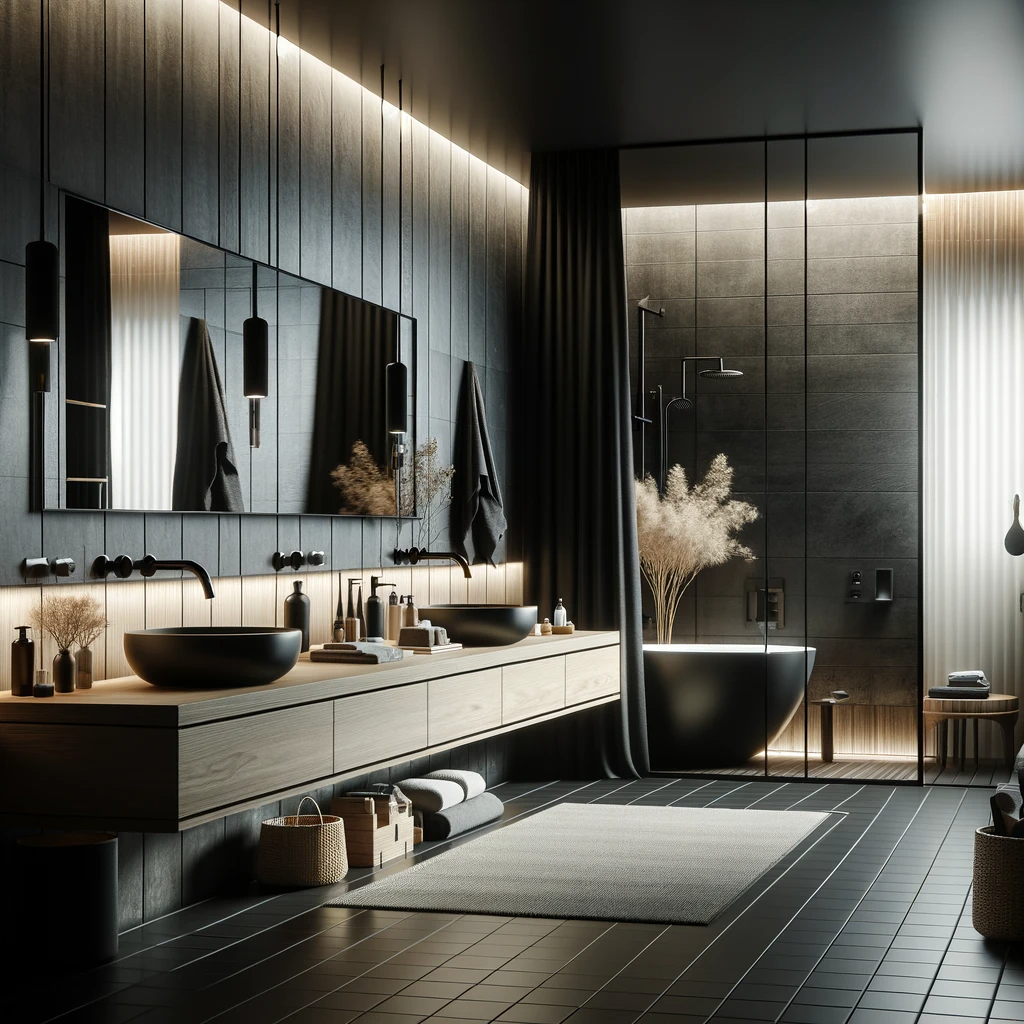
Aesthetic considerations in bathroom design involve a blend of colour, texture, lighting, and personal details, all working together to create a space that is not just functional but also visually engaging and reflective of individual style.
- Colour, Texture, and Materials: The interplay of colour schemes, textures, and materials is fundamental in setting the bathroom’s mood. Soothing, neutral tones can create a calming effect, while bold colours bring energy. Natural elements like wood and stone add warmth, while sleek ceramics and glass lend a modern touch. The balance of these elements is key to a harmonious aesthetic.
- Lighting and Fixtures: Effective lighting and stylish fixtures are central to the bathroom’s aesthetic. A combination of practical task lighting and ambient lighting, possibly with dimmers for mood adjustment, is ideal. The style of fixtures, whether contemporary or traditional, significantly impacts the overall look and feel.
- Design Details and Personal Touches: Tiles, mirrors, and decorative elements play a significant role in the bathroom’s aesthetic. Tile patterns can be a striking feature, while mirrors enhance the sense of space. Personal touches, such as art, decorative items, and thoughtful details like coordinated towel racks and soap dispensers, add individuality and tie the design together.
- Function and Style Harmony: Balancing functionality with aesthetic appeal is essential. This means choosing elements that are not only visually pleasing but also serve practical purposes. The aim is to create a space that is both beautiful and usable.
- Sustainable Choices and Attention to Detail: Incorporating sustainable and eco-friendly options reflects a responsible approach to design. Using recycled materials or energy-efficient fixtures adds an environmentally conscious aspect to the aesthetics. Paying attention to small details helps in creating a cohesive and refined look.
Integrating Function and Aesthetics: Smart Choices for a Cohesive Look
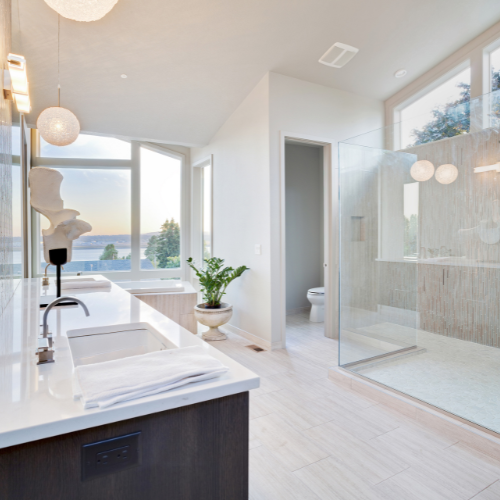
Integrating function and aesthetics in bathroom design is about making smart choices that reflect your lifestyle and taste. By thoughtfully considering each aspect, you can create a bathroom that is not only functional and beautiful but also a true reflection of your personal style.
Selecting Materials and Fixtures: A Blend of Durability and Style
The choice of materials and fixtures is critical in achieving a balance between practicality and visual appeal. Opting for materials that are resilient and easy to maintain, such as porcelain for sinks or waterproof finishes for cabinets, can significantly enhance longevity.
At the same time, these materials should align with the overall design theme. Whether you’re going for a sleek, modern look with chrome fixtures or a more traditional feel with brass accents, the key is to select items that complement both the bathroom’s functionality and its aesthetic character.
Balancing Decor with Usability: Where Beauty Meets Function
Decorative elements are vital in personalising the bathroom space, but they must not compromise usability. For instance, a beautifully designed vanity should offer adequate storage to keep essentials at hand.
Similarly, while a decorative mirror can be a statement piece, it should also provide clear, distortion-free reflection for practical use. This approach extends to all aspects of the bathroom, from the choice of a luxurious yet absorbent bath mat to elegant lighting fixtures that provide both ambience and sufficient illumination for tasks.
Harmonising Styles and Needs: Cohesive Design Decisions
Achieving a harmonious bathroom design involves considering how each element interacts with others. For example, a minimalist shower enclosure can be paired with a boldly patterned tile to create a striking contrast while maintaining clean lines and uncluttered space.
In smaller bathrooms, a floating vanity can offer both a modern look and a space-saving solution. It’s about making choices that serve your needs while creating a visually cohesive environment.
Innovative Solutions: Merging Trends with Tradition
Integrating modern innovations with traditional design can add both functionality and aesthetic appeal. Features like underfloor heating add a touch of luxury and comfort, while digital showers offer convenience and efficiency with a sleek design. These modern elements can be blended with classic styles to create a bathroom that is both timelessly elegant and up-to-date.
Wrap Up & Key Takeaways
Ultimately, the best bathroom design reflects individual lifestyle, needs, and taste, creating a space that not only meets practical demands but also provides a sanctuary for relaxation and rejuvenation. By embracing these principles, a bathroom can be transformed into your dream space, marrying functionality with aesthetic elegance and offering a personal retreat resonating with both practical needs and a sense of style.







