
In 2026, women have only 64 per cent of the legal rights that men hold worldwide. At the current rate of progress, it will take 286 years to close legal protection gaps.
286 years.
Meanwhile, most organisations will mark International Women’s Day with a breakfast event, a panel discussion, and a flurry of social media posts featuring women in the business doing a hand gesture linked to this year’s unofficial theme. Then March 9th arrives, and it’s back to business as usual.
The gap between the scale of the problem and the lack of organisational support can be harmful. When organisations treat women’s equality as a day on the calendar rather than a structural challenge requiring sustained action, they create cynicism among the very people they claim to support. And women see the disconnect. They notice when the breakfast event budget exceeds the pay equity remediation budget. They clock when leadership posts about empowerment on IWD but remain silent when women are passed over for promotion.
The performance trap
Performative gestures can actively prevent real change. They let leadership tick a box and move on. They consume resources (budget, staff time, emotional energy) that could go toward actual structural change. And they signal to women that the organisation considers equality something to be marketed rather than embedded.
This year’s unofficial IWD theme, promoted by a marketing company that dominates search results, is “Give to Gain.” The implication being that women still need to give something in order to gain equal rights. It’s a neat encapsulation of how far we’ve drifted from the original purpose of International Women’s Day, which should be about rights, justice and action.
The official UN Women theme for 2026 is “Rights. Justice. Action. For ALL Women and Girls.” It’s grounded in the reality that in fundamental areas of life, which include work, money, safety, family, property, mobility, business and retirement, the law systematically disadvantages women. But that theme doesn’t come with a catchy hand gesture, so most organisations ignore it.
What year-round support actually looks like
If you work in HR or communications and you’re tired of being asked to organise yet another breakfast event, here’s what you can push for instead:
Meaningful pay equity
Annual pay gap reporting is now a common practice for many large organisations. What’s less common is genuine accountability for closing these gaps.
Organisations that want to make a difference need to consider what year-round support looks like. This could mean conducting things like pay equity audits with transparent plans, clear timelines, and named accountability. It also means tracking not just the aggregate gap, but also where and why discrepancies exist, by level, department, and job family.
And crucially, it means allocating budget for corrections before you allocate budget for IWD events. If your organisation can find £15k for a keynote speaker but can’t find the budget to address pay inequities, you’ve got your priorities backwards.
Progression tracking with consequences
If women aren’t moving into leadership at the same rate as men, that’s not a pipeline problem; it’s a progression problem. Year-round support means tracking promotion rates by gender at every level, identifying where women are getting stuck, and addressing the specific barriers. Is it a lack of sponsorship? Are performance reviews biased? Are women being given different types of assignments that don’t lead to promotion? Are caring responsibilities being accommodated or penalised?
Track the metrics quarterly, not annually. Report them to the board. And when you spot problems, don’t commission another study; you need to take action.
Flexible working as standard
The language around flexible working still positions it as something that benefits only women, rather than all employees. When you implement year-round support, it means making flexibility the default, not the exception. So things like men taking parental leave without a career penalty, meetings scheduled during core hours, not early mornings or evaluating people on output, not presenteeism.
It also means examining whether your “flexible working policy” is actually flexible, or whether it requires three levels of approval and comes with unspoken career consequences.
Sponsorship programmes that actually move women into leadership
Mentorship is valuable, but women are often over-mentored and under-sponsored. Year-round support means identifying high-potential women and assigning them sponsors. These are people with actual power who will advocate for them in promotion discussions, put their names forward for stretch assignments, and actively work to advance their careers.
This work requires exec-level commitment and accountability. It means tracking who gets sponsored, who does the sponsoring, and what outcomes result.
The communications professional’s role
If you work in internal comms or people teams, you’re often the one handed the brief to “do something for IWD.” Here’s how to shift from campaign mode to culture change:
Challenge the performative brief. When leadership asks for a hand-gesture campaign or a feel-good video, come back with a counterproposal: “What if instead we communicated the actions we’re taking to address pay equity / progression gaps / flexibility?” Make them choose between looking good and doing good.
Make the business case. Retention data, engagement scores, and recruitment challenges are all connected to whether women feel genuinely supported. It’s important to frame this work as structural action, not a nice-to-have.
Shift the narrative internally. Stop talking about IWD as a celebration and start talking about it as a prompt for accountability. Use the day to publish progress against goals, not just inspirational quotes.
Support employee resource groups. Women’s networks often do the work of holding organisations accountable. Give them a platform, budget, and access to decision-makers, not just on March 8th, but year-round.
What happens on March 9th?
The real test of organisational commitment isn’t what happens on International Women’s Day. It’s what happens the day after, and the day after that, for the other 364 days of the year.
So, before you approve that budget for breakfast and badges, ask yourself:
“What will actually change for women in our organisation as a result of this?”
If the answer is “nothing,” redirect that energy toward something that will, because at the current rate of progress, we’ve got 286 years of work ahead of us and we don’t have time for empty promises and meaningless gestures.
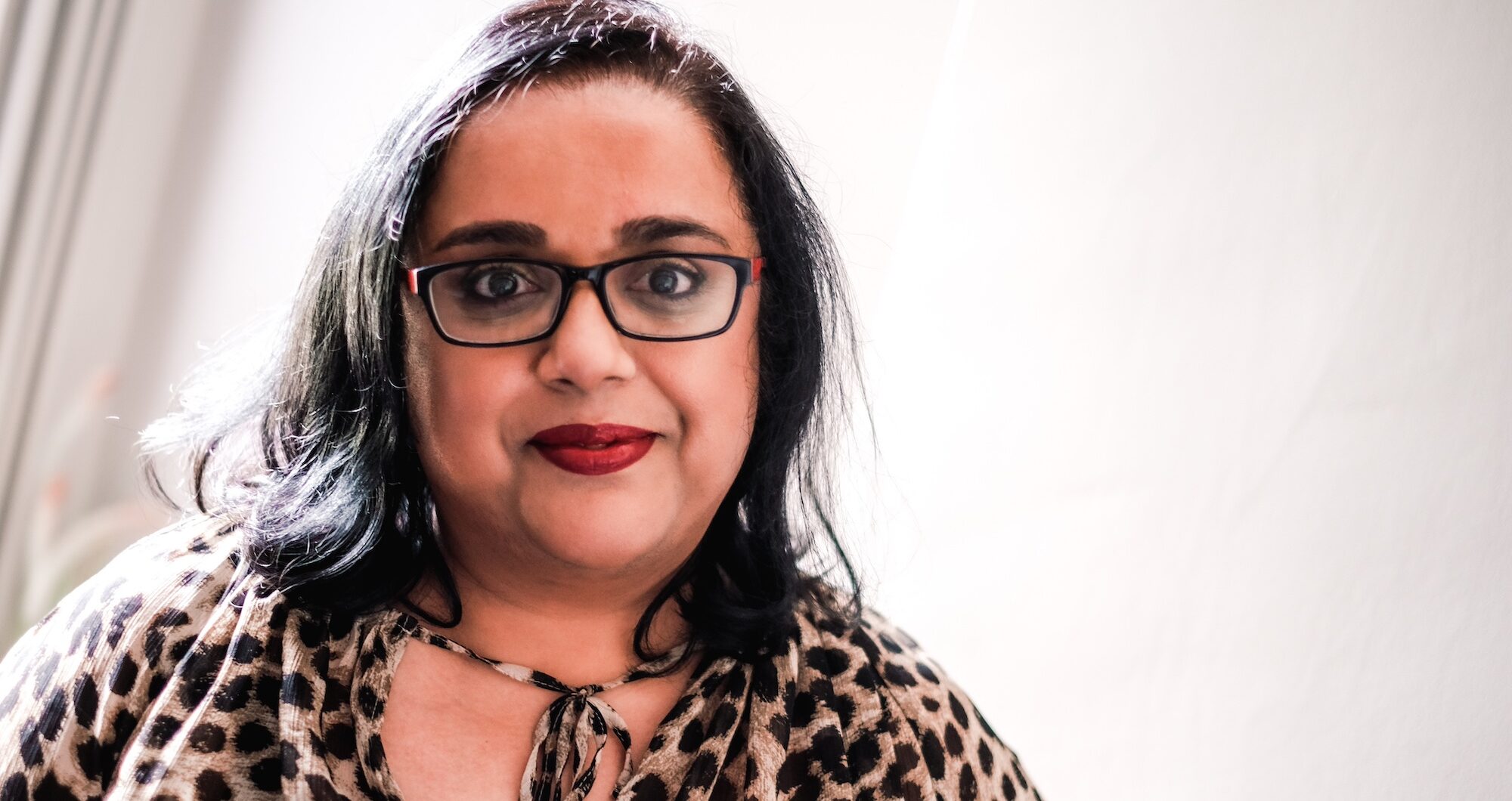
Advita Patel Chart.PR, FCIPR
CEO | Communications and Confidence Strategist | CIPR 2025 President
Instagram: @CommsRebel
YouTube: @CommsRebelConsultancy
TikTok: @Comms_rebel