
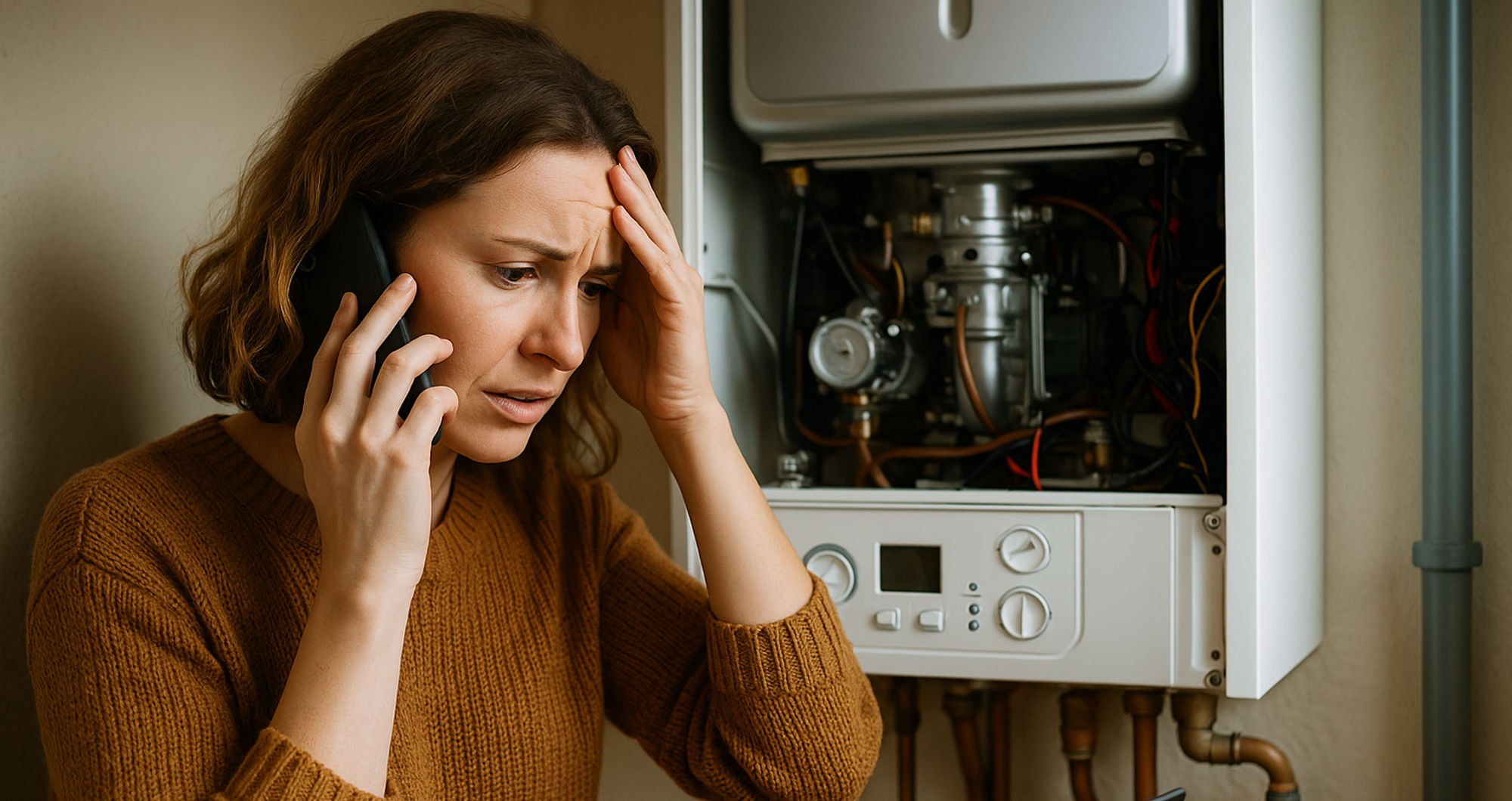

The UK may face longer boiler repair waiting times this winter due to parts availability issues and increased demand for emergency callouts, according to feedback from heating engineers and service firms. Repair networks are reporting extended lead times on key components such as heat exchangers, valves, and electronic control boards, raising concerns that breakdowns could take longer to resolve as temperatures fall.
Trade engineers say that while supply chains have improved since the post-pandemic period, several manufacturers are still operating with lower parts stock than in pre-2020 winters. This, combined with an expected spike in seasonal demand, could create pockets of strain across regional service networks and leave households without heat for longer than usual.
Technicians also report that more homeowners are delaying routine servicing because of cost-of-living pressures, which can lead to failures that require more complex repairs and additional parts ordering. For households without existing protection, repair times can be influenced by the availability of both engineers and replacement components.
“As we move into winter, parts availability becomes one of the biggest factors affecting downtime,” says Tim Bailey, spokesperson for Free Price Compare. “If a required component isn’t in stock, engineers may need to place a special order, which can add days or even weeks to a repair.”
Engineers report more complex repairs
Local and regional gas engineers say they are seeing a shift from routine maintenance to reactive, breakdown-driven repairs. This change increases strain on scheduling and logistics. More reactive jobs often require deeper diagnostics or multiple visits if a second engineer is needed or if parts have to be ordered.
Homeowners increasingly start research by looking for boiler insurance quotes to understand the cost difference between paying for a repair outright or having protection that includes parts and labour.
Some engineers raise concerns about the lack of consumer awareness around pre-winter servicing, noting that relatively low-cost maintenance can reduce the likelihood of breakdowns.
Delays vary across regions and boiler types
The industry reports a mixed picture across the UK. In metropolitan areas, engineers cite high booking volumes and traffic delays as the key cause of appointment backlogs. In more rural regions, parts availability is a bigger challenge due to longer distribution routes and less local stockholding by merchants.
For homeowners looking to manage budget pressures, the rise of cheap boiler cover has made protection more accessible, although engineers advise checking policy terms carefully to ensure the level of cover matches the boiler type and manufacturer.
Tim Bailey comments:
“Each winter we see regional discrepancies. In some areas, engineer availability is the bottleneck. In others, it’s the parts supply chain. The homeowners who plan ahead tend to avoid the rush.”
Pressure on emergency callouts
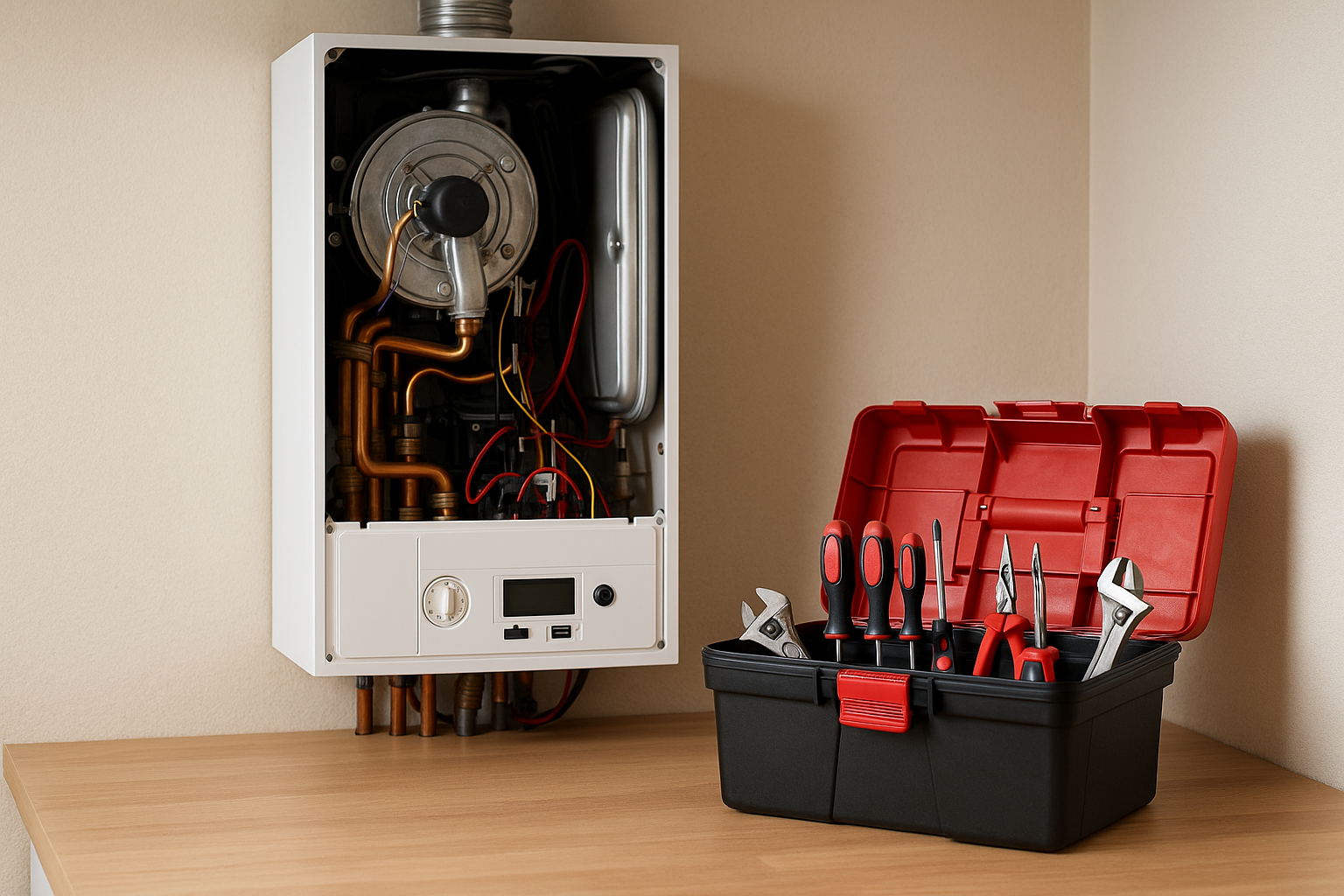
Emergency callouts become more challenging in cold snaps when pipes freeze and multiple households experience the same symptom at the same time. Engineers often prioritise cases where vulnerable customers are present, which can extend waiting times for routine or non-urgent repairs.
Policies that include boiler emergency callout cover may offer quicker appointment prioritisation, but engineers stress that cover type and policy wording determine response time.
“It’s not just breakdown volume; it’s the clustering effect,” Bailey explains. “When temperatures drop suddenly, lots of boilers fail within a short window, and that compresses demand.”
Supply chain factors influencing lead times
Heating suppliers cite a combination of factors affecting parts availability:
- Manufacturer stock levels are lower than pre-pandemic benchmarks
- Rising global demand for electronic components
- Longer lead times from overseas suppliers
- Reduction in regional merchant inventory levels
A further driver is the complexity of newer boiler models, which increasingly rely on electronic boards and sensors rather than purely mechanical components. These parts are more expensive and require specialist ordering if they are not held locally in stock.
Households reviewing winter preparedness often consider heating and hot water cover for budgeting certainty rather than risk ad-hoc repair costs.
Engineers urge proactive servicing before peak season
Trade associations continue to advise homeowners to arrange annual servicing before the first cold snap to reduce the likelihood of breakdowns and avoid delays.
Bailey concludes:
“Prevention is still the most effective strategy. Servicing reduces unexpected failures, and planning ahead avoids the seasonal rush. Even with good cover in place, no one wants to be without heat while waiting for a part.”







