
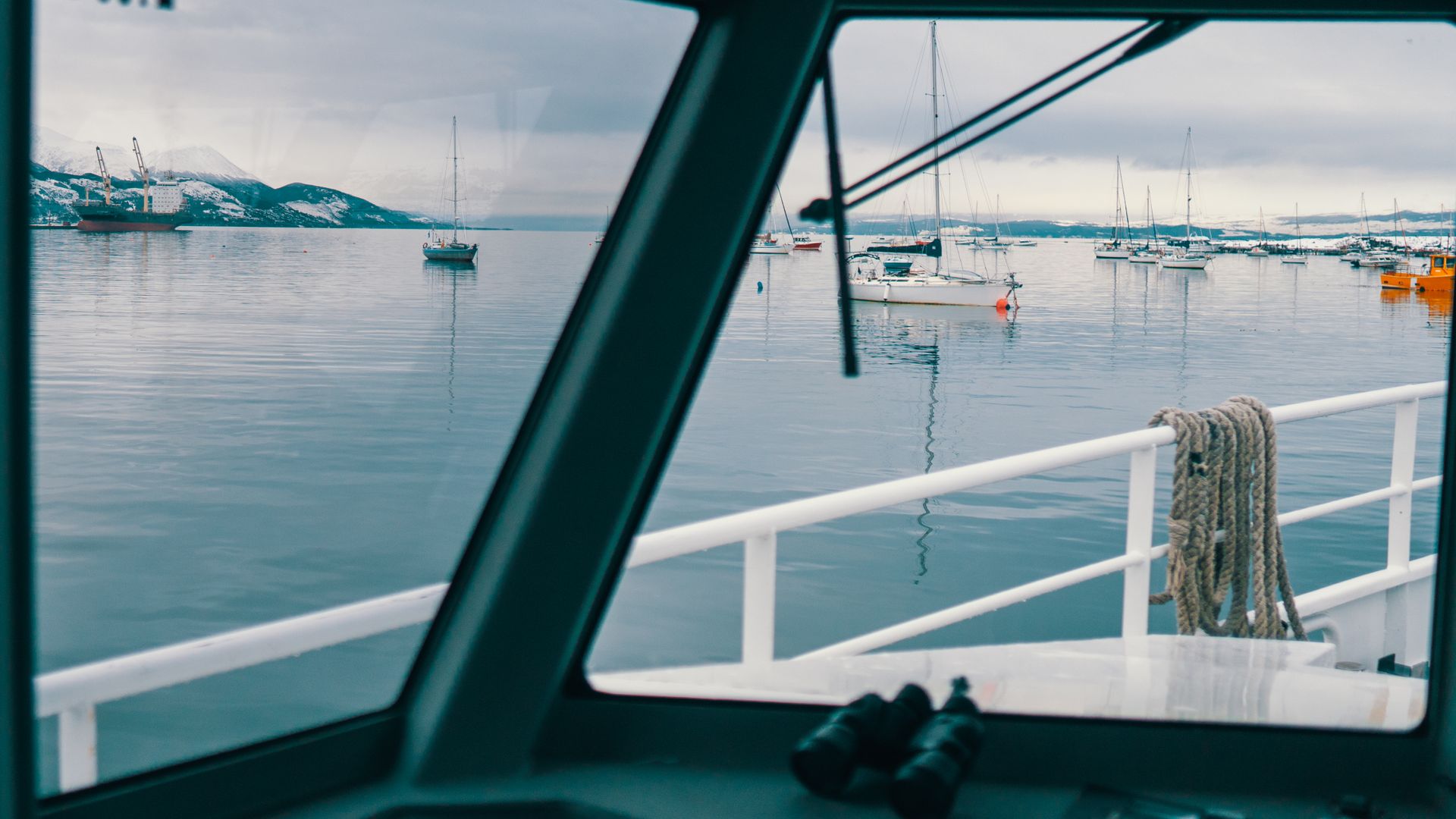

Dawn, coastal passage, sun about ten degrees up and sitting right where you need to look. The sea ahead has gone white. There’s a fishing boat out there somewhere, low, barely lit, and you’re staring at the exact patch of water it’s in. Can’t see it.
That’s glare, and it’s the reason it deserves more than a shrug. Fitting something sensible to the windows is one of the cheaper ways to fix it. The page on SOLASOLV screens shows one option, and what follows is a plain look at why the problem matters and what to ask before you buy anything.
It takes away the thing you need most
Contrast. That’s what goes first. Bright light shrinks the pupil and floods the eye, and a dark shape against a blazing sky simply drops out, because your eyes can’t cope with both ends of the range at once. Buoys, floating debris, a boat with no lights, a ship coming end-on, all small, all easy to lose.
And then you get tired. A couple of hours of squinting means sore eyes, a dull headache, and a habit of glancing away without noticing you’ve done it. Glance away often enough and the steady scan you rely on turns into patchy looking.
Nobody makes a decision to stop watching. The eyes just give up arguing.
Sun isn’t the only offender
The window works both ways, which people forget. A chart lamp, the glow off a radar display, a pale jacket thrown over the console: any of them can sit on the glass as a ghost image, floating over the view. At night it’s nasty. You think you’ve picked up a light ahead and it’s your own screen reflected back.
Daytime has a version of this too. Light-coloured surfaces inside throw sunlight onto the glass and add a haze. Dark matte finishes help, so does moving a lamp, and screens at the edges can mop up what’s left.
Night is its own problem
Eyes need roughly half an hour to adjust fully to the dark, and one bright flash can ruin it in seconds. (That’s why bridge lighting at night is dim, usually red.) A harbour floodlight, another ship’s deck lights, a searchlight swinging past, any of those can set you back to square one.
Anything that cuts stray light from outside helps the team hold on to their night vision. In a crowded or badly lit area that counts for a lot.
What a screen has to get right
The brief is easy to say: cut the glare, keep the view. Getting there takes more than people expect. It has to:
- take the brightness down without hiding what you’re looking for
- adjust quickly when the sun moves
- stay where it’s put
- keep quiet in a seaway
- fit the window with no gaps
- put up with salt and daily handling
Fail on one of those and the screen ends up rolled up and forgotten. A blind nobody pulls down does nothing for safety, however good it looks on paper.
Shade or view, pick your compromise
A solid blind stops the sun and the view together. An open weave lets you see out while knocking the edge off the light, which is why it tends to suit a bridge better.
It changes with conditions, though. Low strong sun wants a denser setting, hazy light wants less, and having a choice, or a screen made for where you trade, saves you from the daft situation where the blind works so well you can’t see the boat.
Colour is worth a thought. Neutral, darker tones usually give a truer view and cut reflections on the inside face. Strong tints can twist colours, and you don’t want that when you’re trying to tell a red light from an amber one.
Little things decide whether anyone bothers
Bridge hands are rarely empty. Binoculars in one, a radio or a mug in the other. If adjusting the blind takes both hands and some effort, it won’t get adjusted, simple as that. It needs to move smoothly, hold without fuss and release easily.
Noise is the other killer. A blind that flaps and rattles in a swell gets on everyone’s nerves during a quiet night watch, and somebody ties it up or pulls it down. Decent fixings and stable material keep it quiet, and if your ship works in heavy weather it’s worth asking about before you buy.
Then there’s fit. Windows aren’t all the same size or shape, and a gap at the edge lets through a bright streak that undoes the lot. Measure every window, not just one. Forward windows usually matter most, though the side ones can too, depending on how the bridge gets used.
When it’s worse than you’d think
Dried salt spray on glass scatters light horribly. Every crystal catches the sun, and a manageable sunrise becomes a blinding one. Wiping the windows is half the fix and it’s the half people skip.
Calm water and wet decks add their own brightness from below, so you get glare from above and underneath at once. A screen only handles the part coming through the window. Clean glass and good screens work as a pair.
Habits help too
If somebody’s being dazzled, they should say so, and someone should shift position or sort the blind out without making a drama of it. Sounds trivial. It isn’t, when the alternative is missing a target.
And mention it at handover. If the sun’s about to come up dead ahead, the oncoming watchkeeper should hear that before it happens, not find out halfway through. A line about which blinds work and which stick costs nothing.
Manual or motorised?
Motorised blinds are tempting, one button and done. They also add wiring, switches and something else that can fail, and a motor that’s seized in salt air is a worse problem than a stiff manual catch. Manual ones are simpler and, if they’re well made, perfectly quick to use.
Whichever you choose, think about what happens when it breaks. Can the crew still move the blind by hand? Is there a spare part on board? A screen stuck half-down across the forward window at the wrong moment is no help to anybody.
Do a walkaround first
Before you spend anything, stand on the bridge at the worst time of day and look at the windows properly. Where’s the light coming from? Which panes get it first? Take a few photos and jot down what you see.
It takes twenty minutes and it makes every later decision easier. You’ll know which windows need screens, how dense they should be, and where a gap would matter most.
The paperwork
Anything fitted aboard has to sit within fire safety requirements, and interior materials are part of that. Get the supplier’s documents showing what the screen is made from and what it’s approved for, and check what applies to your vessel.
Do it before installation. Sorting it out at survey, with a surveyor asking whether what’s on board matches what’s on file, is a lot more stressful.
Keep them clean
Salt and dust scatter light and make glare worse. Wipe the screens down regularly, read the maker’s advice first (harsh cleaners can ruin some materials), and glance over the fittings now and then. Loose parts are what cause rattles and failures.
Ask the people on watch
Whoever stands the watches knows which windows get hammered, which blinds get ignored, and what drives them up the wall. Ten minutes talking to them beats a spec sheet.
When you’re comparing SOLASOLV screens with anything else, get the people who’ll use them to try them. Would they actually pull one down at six in the morning? Can they still see the horizon afterwards? Honest answers to those two questions are worth more than any brochure.
The short version
Glare strips out contrast, tires the eyes and hides small, dark things. A good screen cuts the brightness without killing the view, is easy to use, stays quiet, fits properly, and comes with the right documents.
If you’re planning an upgrade, have a look at SOLASOLV and talk to your watchkeepers first. Weighing up SOLASOLV screens means checking the fit, the paperwork and how they feel in use, then keeping them clean so they keep working.
Frequently Asked Questions
1. Why does glare matter for safety?
It cuts contrast and wears out the eyes, so small or dark objects get missed. That makes a proper lookout harder.
2. When is it worse?
Low sun, around sunrise and sunset, especially when it comes straight through the forward windows.
3. Can a screen block too much?
Yes. A solid blind kills the glare and the view. An open weave or an adjustable setting usually works better.
4. Do screens help at night?
They can. Less stray light from outside helps keep night vision, and fewer reflections mean fewer false lights on the glass.
5. What should I check before installing?
That it fits every window, is easy to operate, stays quiet, and has the fire-safety documents your vessel needs.
Feature image by rois martin from Pexels







