
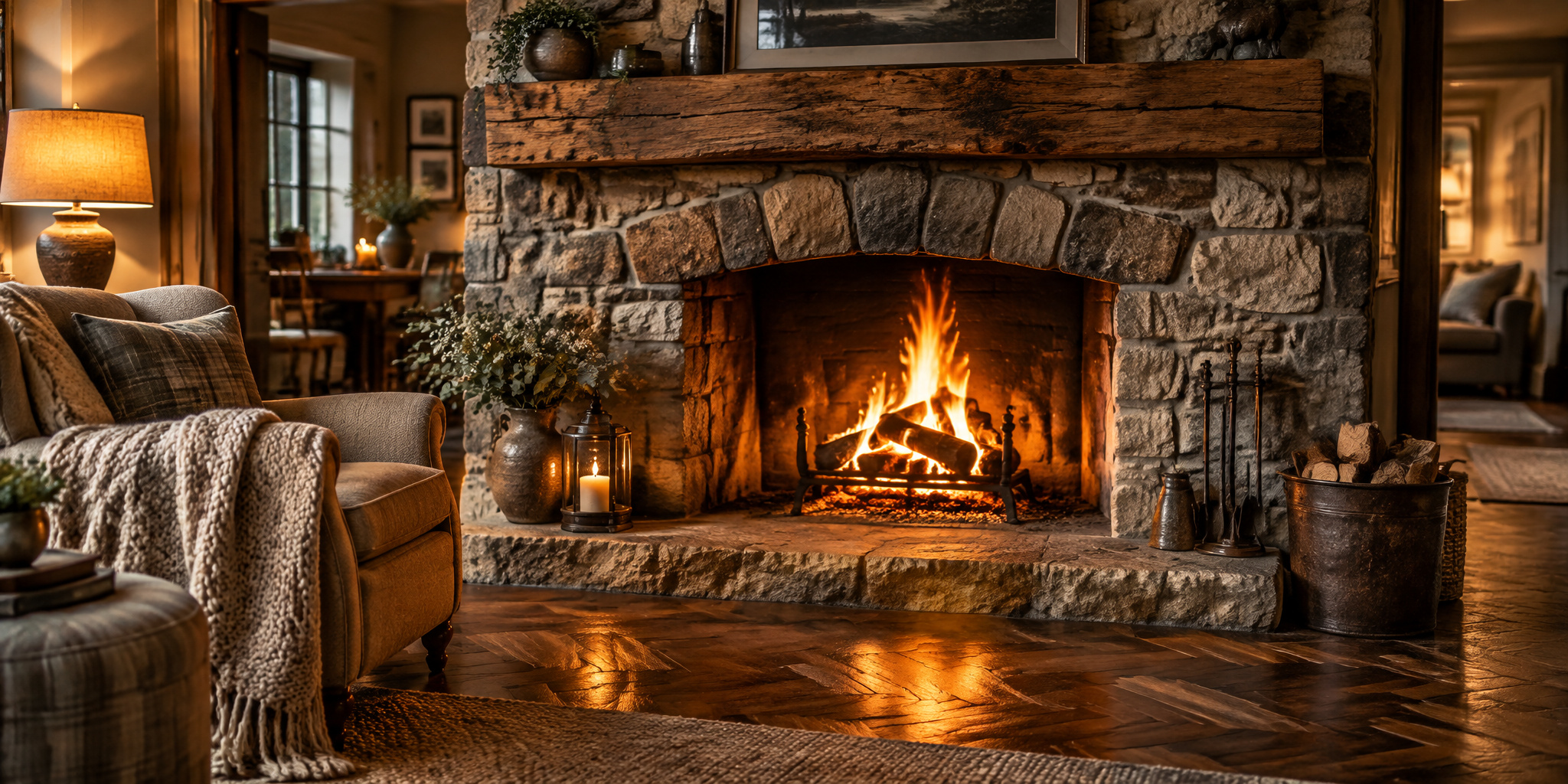

Natural stone and marble bring a quality to a home that no synthetic material can match. The depth of colour, the subtle veining, the way light plays across a polished surface—these are qualities that improve with age rather than diminish. But that same character comes with obligations. Stone is porous, reactive, and unforgiving of neglect. Looked after properly, it lasts for generations. Neglected, it stains, etches, and dulls.
Understanding what stone needs is the difference between a surface that ages beautifully and one that becomes a source of regret.
Know What You Have
The first step in caring for stone is identifying it, because different stones behave differently.
Marble is calcium-based and relatively soft. It is sensitive to acids, which etch the surface and dull the polish. It stains more readily than harder stones and requires careful maintenance.
Granite is harder, denser, and more resistant to etching and staining. It is the most forgiving of the common stones, though it still benefits from sealing.
Limestone and travertine are calcium-based like marble, and share its sensitivity to acids. Travertine has natural voids that may need filling.
Slate is dense and generally stain-resistant, though it can be uneven in texture and may require specific sealers.
Quartzite and soapstone behave differently again, with their own care requirements.
If you are unsure what you have, a stone specialist can identify it quickly. This matters, because the wrong product can do lasting damage.
Sealing: The First Line of Defence
Most natural stone benefits from sealing, particularly in bathrooms, kitchens, and other wet areas.
A penetrating sealer soaks into the stone and fills the pores, slowing the absorption of water and stains without changing the appearance of the surface. It does not make stone waterproof, but it buys time. A spill that would otherwise stain immediately can be wiped away if the stone is sealed.
Sealing frequency depends on the stone, the sealer, and the amount of use. High-traffic areas may need resealing annually. A simple water test reveals when it is due: place a few drops of water on the surface and leave them for fifteen minutes. If the stone darkens or the water is absorbed, it is time to reseal.
Topical sealers, which form a film on the surface, are also available. They offer more protection but can alter the appearance of the stone and require more maintenance.
Daily Care
Routine cleaning is straightforward, provided a few rules are followed.
Use a pH-neutral cleaner. Specialist stone cleaners are formulated for the purpose. Washing-up liquid diluted in warm water is acceptable for occasional use. Acidic cleaners, bleach, and abrasive powders should be avoided entirely.
Wipe spills promptly. Stone is porous, and the longer a spill sits, the deeper it penetrates. Wine, oil, coffee, and citrus juice are the usual culprits.
Use a soft cloth or mop. Abrasive pads and brushes can scratch polished surfaces.
Dry the surface after cleaning. Standing water can leave marks, particularly on darker stones.
Use coasters and mats. A coaster under a glass and a mat beneath a soap dispenser are small habits that prevent most marks.
Dealing with Stains
Stains happen, even with care. The treatment depends on the type.
Oil-based stains (cooking oil, cosmetics) usually respond to a poultice—a paste of absorbent powder and a suitable solvent, applied to the stain and left covered for a day or two. The poultice draws the stain out of the stone.
Water-based stains (tea, coffee, wine) often respond to a poultice made with hydrogen peroxide or a specialist stone cleaner.
Rust stains require a specialist rust remover formulated for stone.
Organic stains (leaves, flowers) frequently fade on their own as the stain dries and oxidises.
Etching is different from staining. It occurs when acid eats into the surface, leaving a dull mark. Polished marble and limestone are most vulnerable. Mild etching can sometimes be polished out by hand; deeper etching requires professional re-polishing.
The Bathroom and Kitchen
Stone and marble are common in bathrooms and kitchens, where they face particular challenges.
In a bathroom, soap scum, hard water, and cosmetics are the main threats. A squeegee after showering, a pH-neutral cleaner, and a sealed surface will manage most of it. Avoid acidic descalers on marble and limestone.
In a kitchen, oil, wine, citrus, and heat are the risks. A trivet under hot pans is essential. Sealing is more important here than anywhere else. A honed or brushed finish is more forgiving of marks than a high polish.
The Products to Avoid
Some common household products are actively harmful to stone.
Vinegar, lemon juice, and other acidic cleaners etch calcium-based stone. Bleach and ammonia can discolour and degrade sealers. Abrasive creams and powders scratch polished surfaces. Limescale removers, unless specifically formulated for stone, cause etching.
The safest approach is to use products designed for stone and to read labels carefully. When in doubt, test in an inconspicuous area first.
Professional Care
Some tasks are best left to specialists.
Re-polishing etched or dulled stone requires proper equipment and skill. Deep stains that resist poultices may need professional treatment. Restoration of old or damaged stone is a craft in itself.
For valuable or extensive stone surfaces, an occasional professional clean and re-seal is a sound investment. It preserves the appearance of the stone and prevents small problems from becoming large ones.
Final Thoughts
Natural stone and marble reward care. Sealed, cleaned gently, and protected from acids and abrasives, they age beautifully and last for decades. Neglected, they stain, etch, and lose the quality that made them worth choosing.
The routines are not onerous. A pH-neutral cleaner, a soft cloth, a coaster, a regular seal—these small habits make all the difference. The stone does the rest.







