
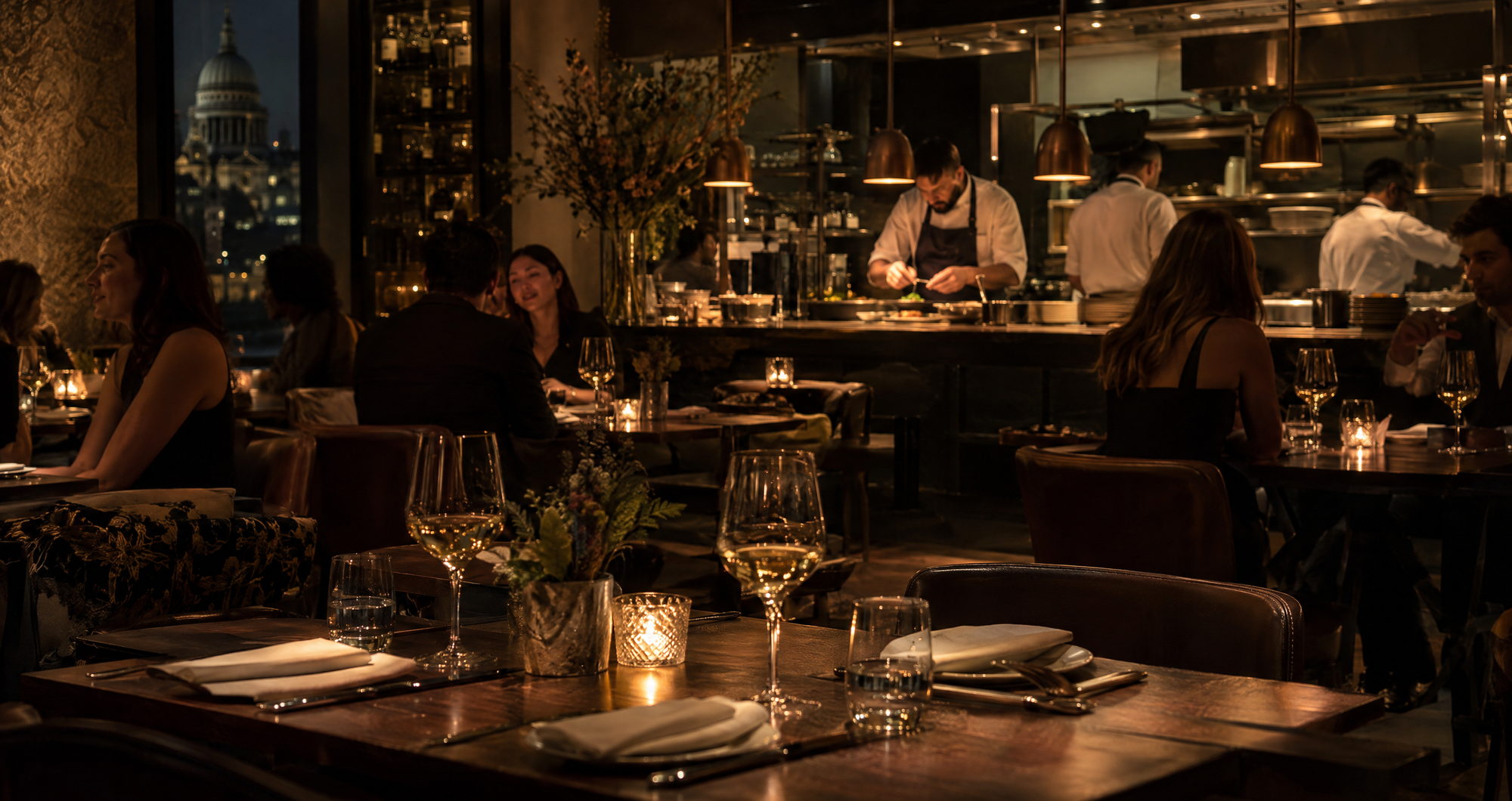

London has a single restaurant in the top 50 of the World’s 50 Best Restaurants for 2026, with Ikoyi falling to number 48 from 15 last year, in a ranking that was announced in Lima on 4 November.
Only two other London restaurants made the extended list of 100: Kol at 70, down from 49, and The Ledbury, which re-entered at 83. Mountain and The Clove Club, both in the top 100 last year, dropped out entirely.
The winners
Asador Etxebarri in Atxondo, in the Basque Country, was named the world’s best restaurant, rising from second place to succeed Lima’s Maido. The restaurant, run by Victor Arguinzoniz, is known for cooking over a custom-built grill and for a menu built around single ingredients.
Gaggan in Bangkok was second and Alchemist in Copenhagen third. The list featured 11 new entries and five re-entries across 28 territories.
The ceremony was held at Lima’s Teatro Municipal after Abu Dhabi, announced in February as host, was dropped because of regional conflict. Montreal is rumoured to be the host in 2027.
How the ranking works
The list is compiled from the votes of 1,100 international restaurant industry experts, divided into regional panels. Each voter submits a list of restaurants where they have eaten in the past 18 months, and the results are aggregated.
The methodology rewards restaurants that are visited by people who travel for food, and it tends to favour cities with strong international connections. London has historically done well on that basis, which makes this year’s result more striking.
No London restaurant has ever topped the list. The city’s best result was Dinner by Heston Blumenthal at number seven in 2013, and the St John and Ledbury generations established London’s reputation for ingredient-led cooking without ever reaching the top.
What the result says
A single year’s ranking is not evidence that London’s restaurant scene has declined. The city has thousands of restaurants, 14 of which were added to the Michelin Guide in October, and its mid-market and immigrant-led food culture is among the most diverse in the world.
What the result does show is the difficulty of sustaining a position at the top of a global list. Restaurants rise and fall as chefs move, investors change and diners chase novelty, and the panel’s preferences shift towards new regions.
London’s costs are also a factor. Rents, labour and ingredients are higher than in most European cities, which pushes tasting-menu prices up. Ikoyi’s menu is £395, a price that limits how often even enthusiastic diners can return.
The commercial stakes
Inclusion in the list is worth real money. Restaurants report a surge in bookings after appearing, and the effect can last for years. For a city marketing itself as a global destination, the absence of London names near the top is a small but symbolic loss.
The reaction from the London food scene is likely to focus on the arbitrariness of rankings rather than on any decline in quality. That is a fair point, and it is also what every city says when it does badly.
The more useful question is what happens next year. With several new openings from established chefs due in 2027, London has a reasonable chance of recovering ground, provided the economics of running a top-end restaurant in the city remain viable.







