


International medical graduates (IMGs), including British citizens trained abroad, are facing new challenges as changes to NHS training post prioritisation affect access to all training pathways, including foundation training. While these policies do not prevent British IMGs from working in the NHS, they can create significant hurdles for those trying to enter the system.
“I had no choice but to study overseas,”
said one anonymous British IMG.
“I didn’t qualify for home fees, and international fees were unaffordable. Now I need to carefully plan how to return to the NHS workforce. It’s stressful, but I’m determined.”
Another IMG highlighted a sense of inequity:
“Other IMGs often have a place to go back to, their home systems or countries. We don’t—we studied here, we’re citizens, and yet we face additional hurdles to rejoin the NHS.”
Critics argue that the revised system, which prioritises candidates based on where they trained, including those from countries such as Ireland and Norway under longstanding agreements, means British IMGs are not prioritised for training pathways. “It’s about the sequencing of training opportunities, not a ban,” said a representative from the British IMGs advocacy network. “For those trained abroad, this can create real uncertainty and additional hurdles, especially as they’re not prioritised for foundation training.”

Image by Duy Tân Đại học on Pexels
Many British IMGs highlight the personal and financial sacrifices they made to pursue medical education overseas. While some are managing multiple jobs to stay afloat, others rely on online communities, including r/BritishIMGs, for support and advice on navigating licensing and training pathways. Advocates say that these networks are crucial for professional guidance and emotional support.
Adding to the challenge, most non-training roles in the NHS require prior NHS experience, meaning British IMGs often struggle to gain employment in the system while waiting for training posts.
Policy experts note that the changes primarily affect access to training posts rather than employment eligibility. A government spokesperson said:
“Our priority is to maintain high standards of care and support all qualified doctors in the NHS. The adjustments to prioritisation are crucial to ensure UK medical graduates do not face unemployment. This policy is better for the long run and was rightfully implemented to support local graduates who were struggling with employment, prioritising UK-trained doctors before considering international candidates, while still aligning with international agreements and maintaining a smooth training process for all doctors.”
British IMGs have suggested potential solutions, such as a tiered prioritisation system. This would consider UK graduates and British or settled IMGs first while still accommodating international candidates. Advocates argue that this approach balances fairness with the NHS’s ongoing reliance on overseas-trained doctors to fill staffing gaps.
While some policymakers emphasise procedural fairness, patient safety, and support for local graduates, British IMGs stress that they want to serve the NHS without being penalised for circumstances beyond their control. Many British IMGs support the bill overall, recognising the importance of prioritising local graduates. However, they emphasise that they should not be left out, noting that historically they were not excluded from NHS training opportunities under the Resident Labour Market Test (RLMT). “We’ve trained to meet UK standards and want to contribute here,” said one IMG. “We hope for a system that recognises our skills and lets us do what we trained for.”
The experiences of British IMGs illustrate the complexities of balancing policy, international agreements, and the human stories behind medical training. As the NHS navigates staffing pressures, these doctors remain committed to contributing, even as they face new procedural hurdles.
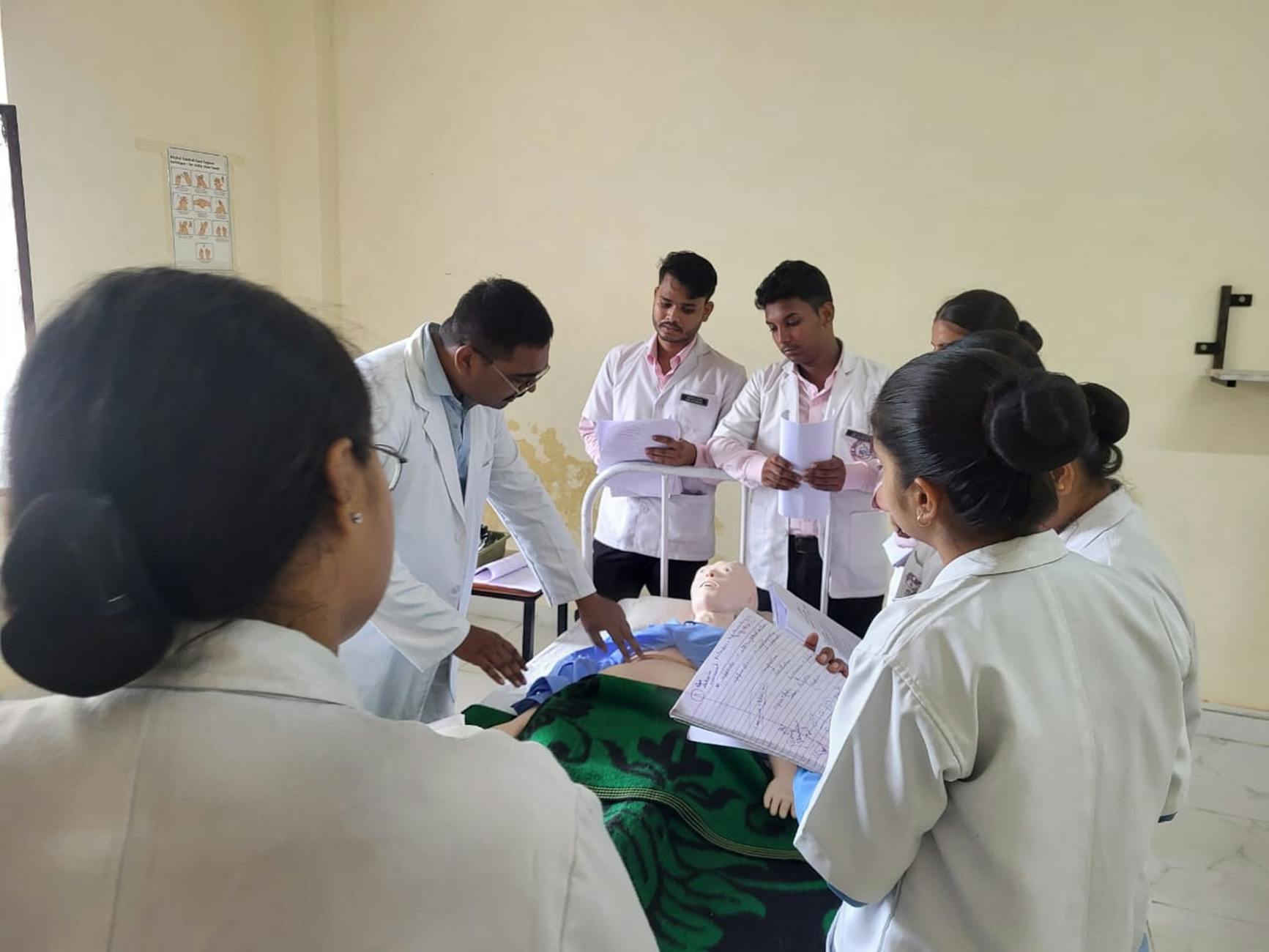 Image by A K G Group Of Colleges on Pexels







