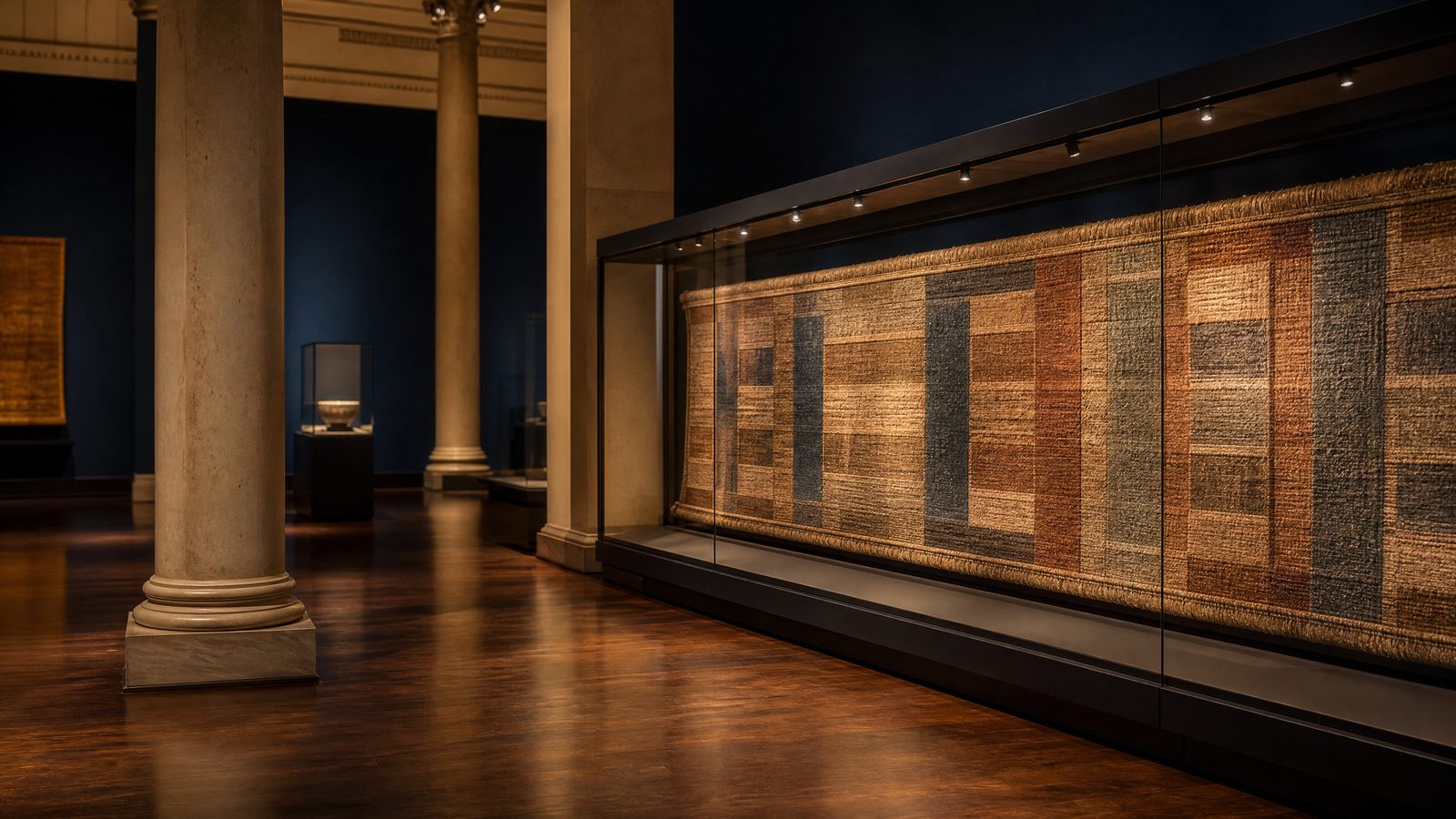

The British Museum has recently become the subject of internal and external scrutiny following reports regarding a private viewing of the Bayeux Tapestry. The event, which involved the hosting of Palantir co-founder Peter Thiel, has prompted a wider discussion about the management of access to some of the world’s most delicate historical artefacts. According to reporting from the Guardian on 31 August, the private session has raised specific concerns among those responsible for the preservation of the embroidery, particularly regarding the allocation of strictly controlled environmental resources.
The challenge of conservation and light exposure
At the heart of the debate is the concept of light intensity and exposure time, often referred to within the heritage sector as a measure of cumulative light damage. For an object as fragile as the Bayeux Tapestry, which dates back to the eleventh century, every minute spent under gallery lighting contributes to the gradual degradation of its organic fibres and natural dyes. Conservators use a precise tracking system to ensure that the total amount of light the artefact receives does not exceed a safe annual threshold. These limits are essential for ensuring that the tapestry remains in a condition suitable for future generations to study and admire.
The reported viewing has led to questions about how these limited resources are distributed. Critics have suggested that the use of such a restricted allowance for a private individual requires clear justification, especially when the guest has no established history of supporting the institution or its specific academic missions. The concern is not merely one of scheduling but of the physical cost to the artefact itself, as any additional time spent under illumination reduces the total amount of exposure permitted for the remainder of the year.
Museum confirms arrangements and defends protocol
In response to the reports, the British Museum has provided details regarding the nature of the visit and the protocols that were followed. The institution has clarified that the private viewing was conducted in accordance with a comprehensive conservation plan. This plan was developed in close collaboration with international partners to ensure that all preservation standards were strictly met. Furthermore, the museum has maintained that the time allocated for this specific viewing did not impact the hours available to the general public. According to the institution, the session was managed in a way that preserved the integrity of the public’s access to the historical treasure.
The museum also addressed questions regarding the relationship between the institution and the visitor. It was confirmed that the guest is not a donor to the museum and that no financial contributions were made by the individual or their associated business interests in exchange for the viewing. By making this distinction, the museum sought to distance the arrangement from any suggestion of commercial influence or a departure from standard institutional policies regarding high-profile visitors.
Broader implications for public institutions
Despite these assurances, the incident has sparked a broader conversation about the transparency of access arrangements at major cultural venues. London’s museum sector often hosts figures from the worlds of technology, business, and politics, but the specific nature of this visit has highlighted the tension between private hospitality and public stewardship. The Bayeux Tapestry is a unique cultural asset that illustrates the historical connections between Britain and the continent, making its preservation a matter of significant public interest.
The discussion continues to focus on how institutions should balance the needs of conservation with the demands of various stakeholders. While the museum maintains that its actions were within the bounds of established professional standards, the reaction from some staff members suggests a desire for more rigorous oversight regarding who is granted exceptional access to sensitive materials. As the tapestry continues to be a focal point of cultural life in the capital, the management of its delicate physical state remains a priority for both the museum and the wider heritage community. The focus remains on ensuring that the preservation of such a significant piece of history is never compromised by the arrangements made for individual guests.
The situation serves as a reminder of the complex responsibilities held by major museums in the twenty-first century. As they navigate the expectations of a global audience and the requirements of modern technology, the fundamental mission of safeguarding history remains paramount. The ongoing dialogue surrounding this event reflects a deep public commitment to the idea that national treasures should be managed with the utmost care and fairness, ensuring that the legacy of the past is protected for the benefit of all.