
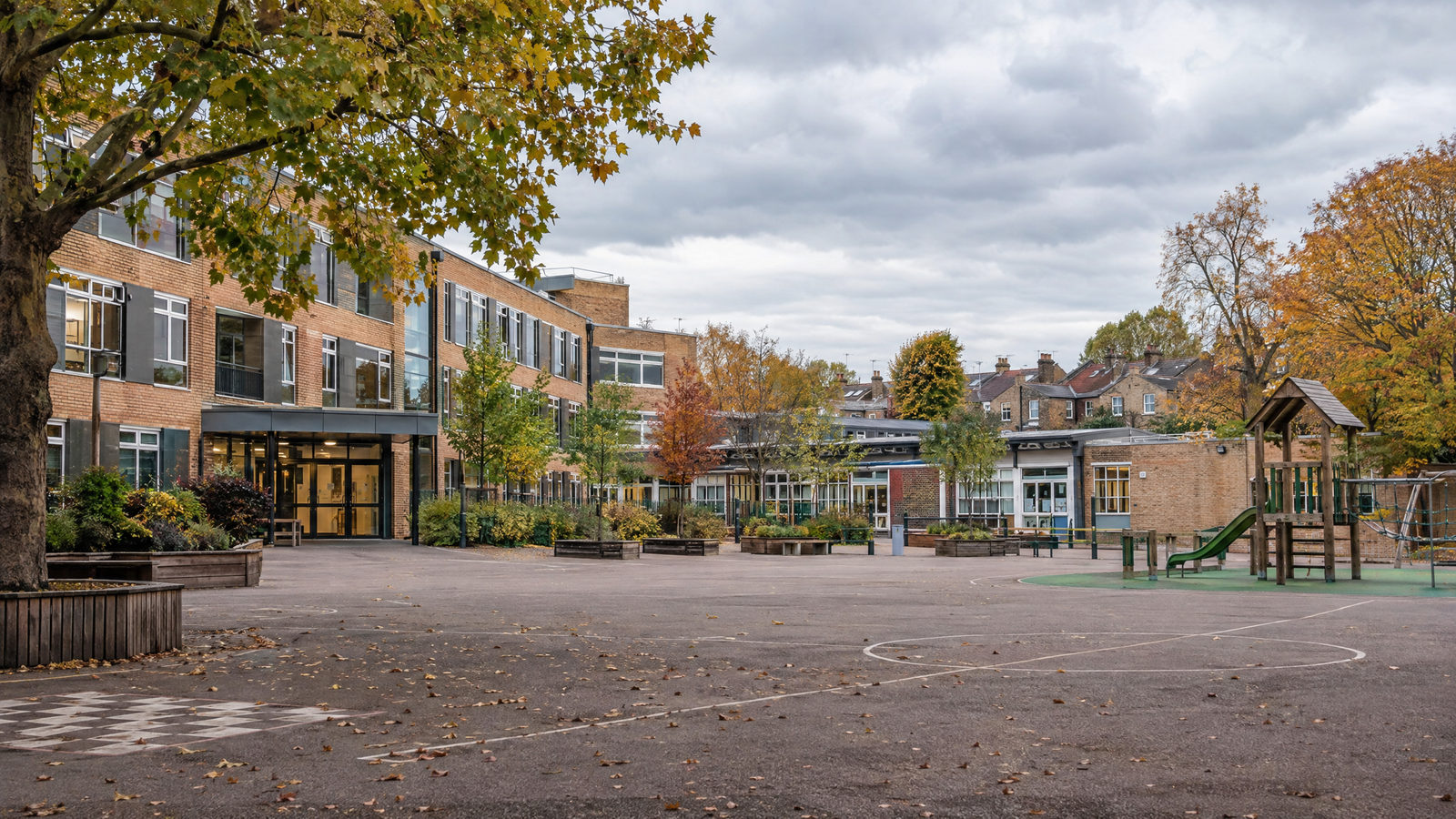

Enfield’s Cabinet is due to decide on 14 October whether to consult on possible changes affecting Bishop Stopford’s School, Starks Field Primary School and Suffolks Primary School. The options under consideration are closure, repurposing or redesignation. No school has been selected for closure, and no decision has been made to close any of them.
The meeting will consider whether to begin consultation, not whether to shut the schools. If councillors approve that next step, families, pupils, staff and local residents would have an opportunity to respond before any later decision. The papers setting out the proposal are expected to appear in the week before the Cabinet meeting. Until then, all three schools remain open and operating as normal.
The proposal brings sharply different levels of spare capacity into focus. The latest published register figures list 554 pupils at Bishop Stopford’s, which has room for 1,165. That is just under half of its stated capacity. Starks Field has 187 pupils against a capacity of 218, while Suffolks has 182 pupils against 240 places. The figures show the current roll rather than a forecast of how many children may attend in future.
Bishop Stopford’s is a Church of England secondary school on Brick Lane, serving pupils aged 11 to 18. Suffolks is a primary school on the same road, while Starks Field is in Edmonton. The schools’ latest published inspection outcomes are all Good. That standing sits alongside the council’s stated concern that pupil numbers are falling and demand for specialist education places is increasing; the inspection outcome alone does not settle how places should be organised.
Concern about the process
The prospect of consultation has already caused anxiety among families and staff. Bishop Stopford’s headteacher Tammy Day has pointed to improving pupil outcomes, saying the school’s 2026 results were its strongest for three years and more young people were progressing to sixth form, higher education, apprenticeships and work. She has also highlighted the school’s record of consecutive Good inspections.
Enfield North MP Feryal Clark has written to the council leader and chief executive about the distress caused across the school communities. Her intervention criticises the handling of the proposal as well as the possibility of closure, including the public release of sensitive papers before affected families and staff had been notified. If closure were eventually chosen, she has called for a two-year transition so pupils already enrolled could finish their qualifications at their current school.
There are also concerns about what school changes might mean beyond the classroom. Edmonton Community Partnership chief executive Trevor Blackman has described Starks Field as serving vulnerable families. He has called for any eventual closure proposal to assess possible effects on attendance, parental engagement, safeguarding, educational continuity and trust. These are questions for a future process; no closure plan has yet been adopted.
A motion raised by Labour group leader Ergin Erbil has called for any consultation to be transparent, meaningful, accessible and inclusive, including for residents whose first language is not English. It also argued that falling rolls should not automatically lead to closures and that housing affordability should be considered. The motion proposed giving priority to special educational needs provision on school sites if a school did close.
Two pressures on the school estate
The borough’s review is framed around a balance between mainstream school places and growing demand for special educational needs and disabilities provision. That creates a difficult choice: spare capacity in one part of the system does not remove the need to consider what a particular school contributes to its neighbourhood, or whether specialist places can be added without displacing existing communities.
The three schools serve different age groups and neighbourhoods. Bishop Stopford’s and Suffolks share a Brick Lane location; Starks Field is in Edmonton. Any change could affect daily journeys, continuity for pupils and the relationships families have with school staff and local services. The implications will depend on which option, if any, is proposed for each school.
For parents, the immediate practical position is unchanged: there is no imminent alteration to school provision. The next public milestone is the 14 October Cabinet decision. If consultation is authorised, its scope, timetable and school-by-school options will determine what families are being asked to consider. Only after views have been gathered and further steps completed can councillors reach a separate decision on the schools’ future.







