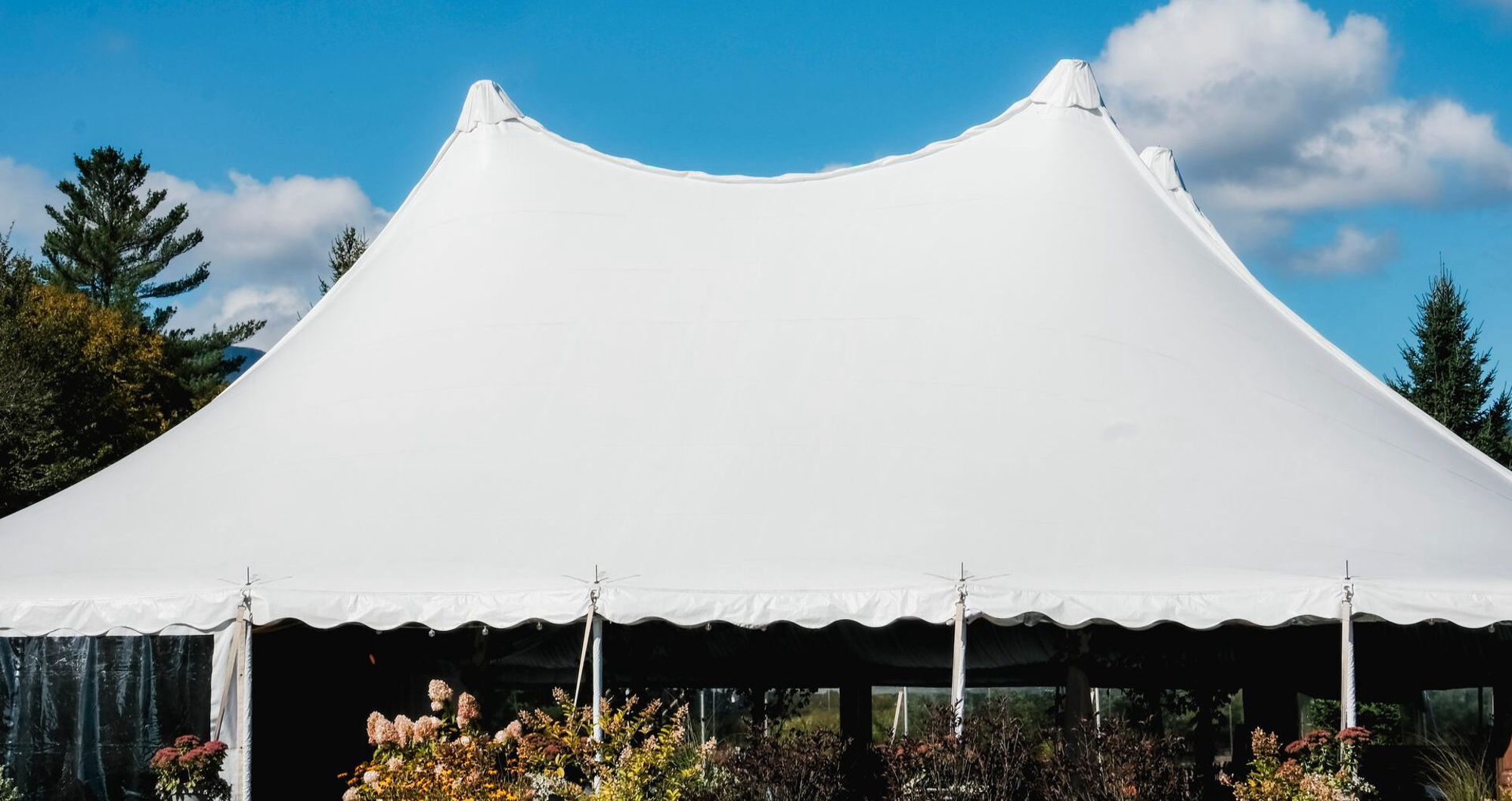

Planning an outdoor event in London presents plenty of opportunities, but it can also bring significant logistical and budgeting challenges. From weddings and corporate functions to charity fundraisers and community celebrations, creating a comfortable temporary event space requires careful financial planning.
One of the biggest questions organisers ask is how much marquee hire costs and whether there are realistic ways to reduce expenses without compromising the overall experience. While marquee hire can represent a substantial portion of an event budget, industry experts agree that smart planning can often lead to meaningful savings.
Understanding how marquee hire pricing works is often the first step. Factors such as venue location, event date, guest numbers, access requirements, flooring, lighting, and additional facilities can all influence the final quotation.
For organisers researching marquee hire costs in London, the following strategies can help maximise value while maintaining a professional and memorable event environment.
1. Book Well in Advance
Timing plays a significant role in event costs.
London’s peak event season typically runs from late spring through early autumn, when demand for marquees is at its highest. Weddings, festivals, sporting events, and corporate functions often compete for the same equipment and installation teams.
Booking early offers several advantages:
- Greater equipment availability
- More installation scheduling options
- Reduced risk of premium charges
- More time for comparing quotations
Planning several months ahead can often help secure better pricing and avoid last-minute compromises.
2. Choose the Right Size Marquee
One of the most common mistakes organisers make is hiring a structure that is larger than necessary.
While guests should always feel comfortable, excess space increases costs through additional materials, flooring, lighting, furniture, and labour.
Before deciding on a marquee size, consider:
- Confirmed guest numbers
- Seating arrangements
- Dance floor requirements
- Catering space
- Entertainment or staging needs
Accurate planning can significantly reduce unnecessary expenditure.
3. Consider Midweek Event Dates
Weekend bookings typically attract the highest demand.
For corporate events, networking sessions, training programmes, product launches, and staff celebrations, moving the event to a weekday may create opportunities for cost savings and greater supplier availability.
Midweek events can also provide more flexibility when selecting venues and service providers.
4. Select a Venue with Easy Access
Venue access is often overlooked during the planning process.
However, difficult access can increase installation time and labour costs. Common challenges include:
- Narrow entry points
- Restricted loading schedules
- Long distances between vehicles and installation areas
- Limited parking
- Uneven terrain
Venues with straightforward access typically simplify installation and removal processes, helping to keep costs under control.
5. Avoid Paying for Features You Don’t Need
Premium upgrades can enhance an event, but not every option provides equal value.
Examples of optional extras include:
- Luxury interior linings
- Designer furniture packages
- Advanced lighting systems
- Premium flooring finishes
- Decorative installations
Rather than selecting upgrades automatically, organisers should focus on features that directly improve the guest experience and event functionality.
6. Make Use of Existing Venue Facilities
Many venues already offer infrastructure that can reduce equipment hire requirements.
Available facilities may include:
- Electrical connections
- Toilet facilities
- Catering preparation areas
- Storage spaces
- Hard-standing surfaces
- Parking facilities
Using existing amenities can help reduce both equipment and logistical costs.
7. Forecast Attendance Accurately
Overestimating guest numbers is a frequent cause of unnecessary spending.
Every additional attendee affects multiple budget areas, including:
- Seating
- Tables
- Catering equipment
- Flooring
- Power requirements
- Climate control systems
A realistic attendance forecast helps ensure resources are allocated efficiently.
8. Review Flooring Requirements Carefully
Flooring can represent a substantial proportion of marquee hire costs.
The most suitable flooring solution depends on several factors:
- Ground conditions
- Event type
- Duration
- Seasonal weather
- Guest expectations
While formal occasions often require full flooring systems, some outdoor events may be adequately served by simpler solutions.
Matching flooring choices to actual requirements can generate meaningful savings.
9. Plan for Weather Conditions
Attempting to reduce costs by removing weather protection can lead to greater expenses later.
London’s weather can be unpredictable, making contingency planning essential. Organisers should consider:
- Sidewalls
- Heating systems
- Ventilation
- Ground protection
- Rainwater management
Preventive planning is generally more cost-effective than dealing with unexpected disruptions during the event.
10. Arrange a Professional Site Survey
A site survey remains one of the most effective ways to control costs.
Professional assessments help identify potential issues before installation begins, including:
- Ground conditions
- Access challenges
- Power requirements
- Space limitations
- Installation obstacles
Accurate information enables suppliers to recommend appropriate solutions and helps prevent unforeseen expenses.
Many experienced marquee providers offer site visits as part of their consultation process, allowing organisers to receive recommendations tailored to the specific venue and event requirements.
Common Budget Mistakes to Avoid
Industry professionals regularly identify several recurring issues that increase event costs unnecessarily:
- Booking too late
- Overestimating guest numbers
- Selecting unsuitable venues
- Making frequent specification changes
- Ignoring access restrictions
- Choosing unnecessary upgrades
Avoiding these mistakes often produces greater savings than attempting to negotiate discounts after plans have been finalised.
Final Thoughts
Reducing marquee hire costs is not necessarily about finding the cheapest option. Instead, successful event planning relies on understanding what drives pricing and making informed decisions throughout the planning process.
By booking early, selecting appropriate venue facilities, accurately forecasting attendance, and seeking professional advice where necessary, organisers can often achieve significant savings while still delivering a comfortable and memorable experience.
For those researching how much marquee hire costs, understanding the factors that influence pricing is the most effective way to balance budget considerations with event quality and guest satisfaction.