
Canada has announced C$19.2 million in support for 16 forestry businesses across British Columbia, alongside a new national programme to help communities that depend on the industry diversify their economies. The business funding covers manufacturing investment and operational pressures as companies adapt to tariffs and changing market conditions.
The announcement on 27 November at Tla’amin Nation brings together two different forms of support. The Regional Tariff Response Initiative addresses the needs of affected businesses, while the new Forestry Regions Economic Diversification initiative focuses on longer-term opportunities for local economies. British Columbia will receive C$22.1 million through the community programme over three years.
Investment in timber manufacturing
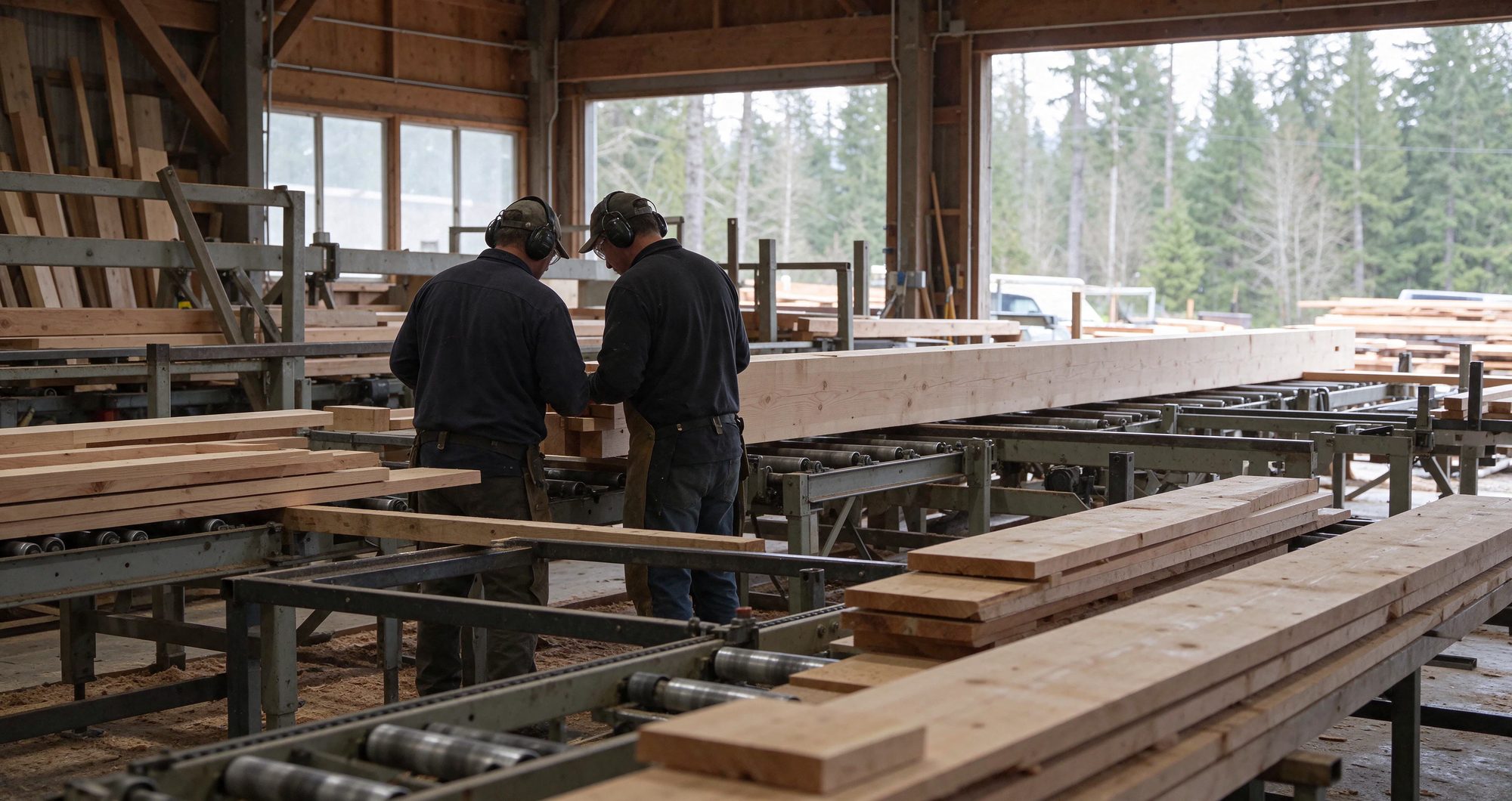
One of the businesses receiving support is Island TimberFrame, based in Cumberland on Vancouver Island. Its C$961,089 allocation will support upgrades to its manufacturing facility, including new wood-processing equipment for structural and finishing work.
The company uses British Columbia wood to make prefabricated structures and finished products, including stairs, doors and cladding. The equipment investment is intended to expand its capacity to turn Canadian timber into higher-value products for customers overseas. The funding announcement does not establish that the upgrades have already been completed.
Across the 16 businesses, the support is intended to improve productivity, strengthen supply chains, open up growth opportunities and address immediate operating needs. The tariff-response programme provides C$3.45 billion nationally over four years for affected small and medium-sized businesses, with support for adapting to market changes and diversifying into new markets.
Since September 2025, the federal regional development agency serving British Columbia has approved C$248 million through that programme for 154 businesses. Those figures cover the broader provincial programme, rather than only the forestry companies included in the latest announcement.
A separate route for forestry communities
The community diversification initiative has a national allocation of C$100 million over three years and will be delivered through six regional development agencies. It supports both planning for new economic activity and projects that put local diversification strategies into practice.
In British Columbia, proposals are being considered on an ongoing basis. Funding is limited in the 2026–27 financial year, with support increasing for projects beginning on 1 April 2027 or later. The amount available to each recipient will vary with the project.
Eligible applicants include incorporated not-for-profit organisations, post-secondary institutions, Indigenous organisations and governments, municipalities and provincial bodies. Small and medium-sized businesses can also qualify where their projects meet the programme’s objectives and contribute to a community’s economic diversification.
Supported activities can include feasibility studies, partnership building, local planning and capacity development. Funding can also help implement diversification plans or establish and improve community infrastructure that supports economic development. Non-commercial projects can receive non-repayable contributions, while support for commercial projects takes the form of repayable contributions.
The programme is generally not intended for projects primarily concerned with the growth or competitiveness of one business, or with increasing softwood lumber exports to existing markets. Business projects responding to tariff impacts through modernisation, productivity or growth may instead fit the tariff-response initiative. The distinction keeps the community programme focused on broader local economic benefits.
Part of a wider forest-sector strategy
The funding accompanies Canada’s first comprehensive federal forest-sector strategy, which sets a direction to 2050. Its priorities include investment and innovation, a competitive supply of wood fibre, new markets at home and abroad, and support for workers and communities.
The strategy is backed by a proposed C$6.5 billion investment in Budget 2026. The wider British Columbia project announcement totals up to C$31.6 million, including the C$19.2 million business allocation rather than adding it on top. Some funding within that wider package remains subject to approval and final due diligence.