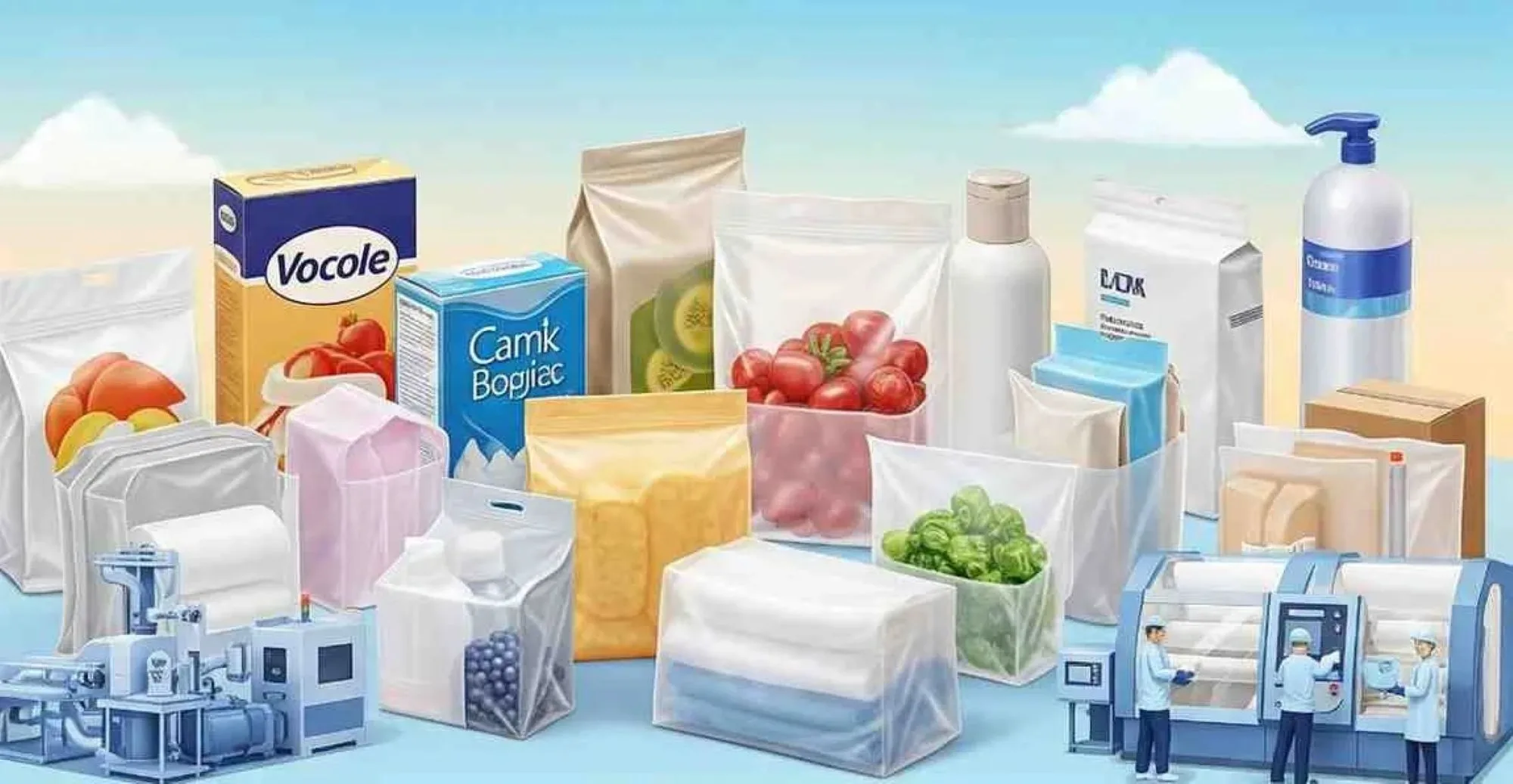

The global cellulose film packaging market is experiencing a significant transformation, surging from a market size of USD 890 million in 2024 to a projected USD 1,532.98 million by 2034, expanding at a CAGR of 5.63%. The growth is primarily attributed to rising demand for sustainable, plant-based packaging alternatives, increased regulatory support, and rapid industrialisation, especially in the Asia Pacific region.
Regional Insights: Asia Pacific Leads, North America Gains Ground
In 2024, Asia Pacific emerged as the dominant regional force in the cellulose film packaging landscape, driven by industrial growth in nations like China, India, and South Korea, along with a rising preference for eco-friendly packaging. The region’s strong economic development has bolstered both the food & beverage and personal care sectors, major consumers of cellulose films.
Looking ahead, North America is expected to experience robust growth, propelled by a well-developed packaging infrastructure and increasing consumer preference for sustainable packaging. Government regulations mandating the shift from traditional plastics to compostable materials are also providing momentum in this region.
Segmental Outlook: Cellophane Leads, Coated Films Catching Up
By Product:
Cellophane films held the largest market share in 2024, as consumers increasingly favoured biodegradable and plastic-free alternatives.
Meanwhile, coated cellulose films are expected to see significant growth due to their versatility across a range of packaging applications—from food wraps to personal care items.
By Application:
The food and beverage sector topped the application chart in 2024, benefiting from cellulose films’ excellent moisture and oxygen barrier properties, making them ideal for extending shelf life.
The personal care segment is also on the rise, driven by the demand for transparent and attractive packaging, particularly for cosmetics and beauty products.
Market Drivers: Environmental Push and Tech Innovation
Sustainability & Consumer Awareness: The most compelling growth factor is the increasing shift toward sustainable consumption. Consumers are actively supporting brands that embrace biodegradable packaging, while governments are enacting policies to reduce plastic waste.
E-Commerce Boom: As online shopping grows, so does the need for secure, leak-proof, and sustainable packaging, further boosting cellulose film adoption.
Material Advantages: Derived from renewable plant-based sources like wood pulp, cellulose films provide strong barrier properties while offering visual clarity for product visibility.
Market Challenges: Cost Barriers and Raw Material Constraints
Despite its promising potential, the market faces notable restraints:
High production costs and complex processing requirements make cellulose film packaging less affordable than petroleum-based alternatives.
The shortage of sustainably sourced raw materials, especially wood pulp, could hinder scalability for some manufacturers.
The Role of AI and Smart Packaging: A Game-Changer
Artificial Intelligence (AI) is playing a transformative role in the cellulose film packaging industry by:
Automating and optimising production lines to reduce costs and improve quality.
Enhancing smart packaging through features like QR codes and RFID tags, allowing consumers to access detailed product information.
Assisting in material selection using AI algorithms to identify cost-effective, sustainable materials.
Reducing production waste, ensuring consistency, and supporting personalised packaging experiences such as interactive video messages.
Supporting the integration of nanomaterials to extend shelf life and boost product protection.
Recent Developments and Strategic Initiatives
May 2025 – Futamura announced the launch of compostable sachets for liquid products in partnership with GK Sondermaschinenbau, aiming to reduce non-compostable packaging.
Feb 2025 – TIPA introduced a home-compostable metalised barrier film designed for snack products, addressing moisture and salt barrier needs.
Aug 2024 – Lidl Switzerland, in collaboration with Hardegger Kase, launched cellulose packaging made from leftover wood for organic cheese, targeting a 30% plastic reduction by 2025.
July 2024 – Vikings and Goddesses Pie Company rolled out compostable packaging for frozen baked goods, aligning with its sustainability commitment.
Conclusion: A Sustainable Shift with Technological Edge
As environmental concerns and consumer demand for greener alternatives continue to rise, the cellulose film packaging market is poised for substantial long-term growth. Innovations like AI-driven manufacturing and smart packaging technologies are accelerating this transition. With strong momentum across food, beverage, and personal care industries, cellulose packaging is setting new benchmarks for sustainable, transparent, and intelligent packaging solutions.
Source : https://www.towardspackaging.com/insights/cellulose-film-packaging-market-sizing