
Starting a technology business has traditionally required capital, technical training and access to the right networks. Over the past decade, several developments have begun to chip away at those requirements: no-code tools that let people build software without writing code, small-scale funding models such as microgrants and, more recently, artificial intelligence applied to areas such as education.
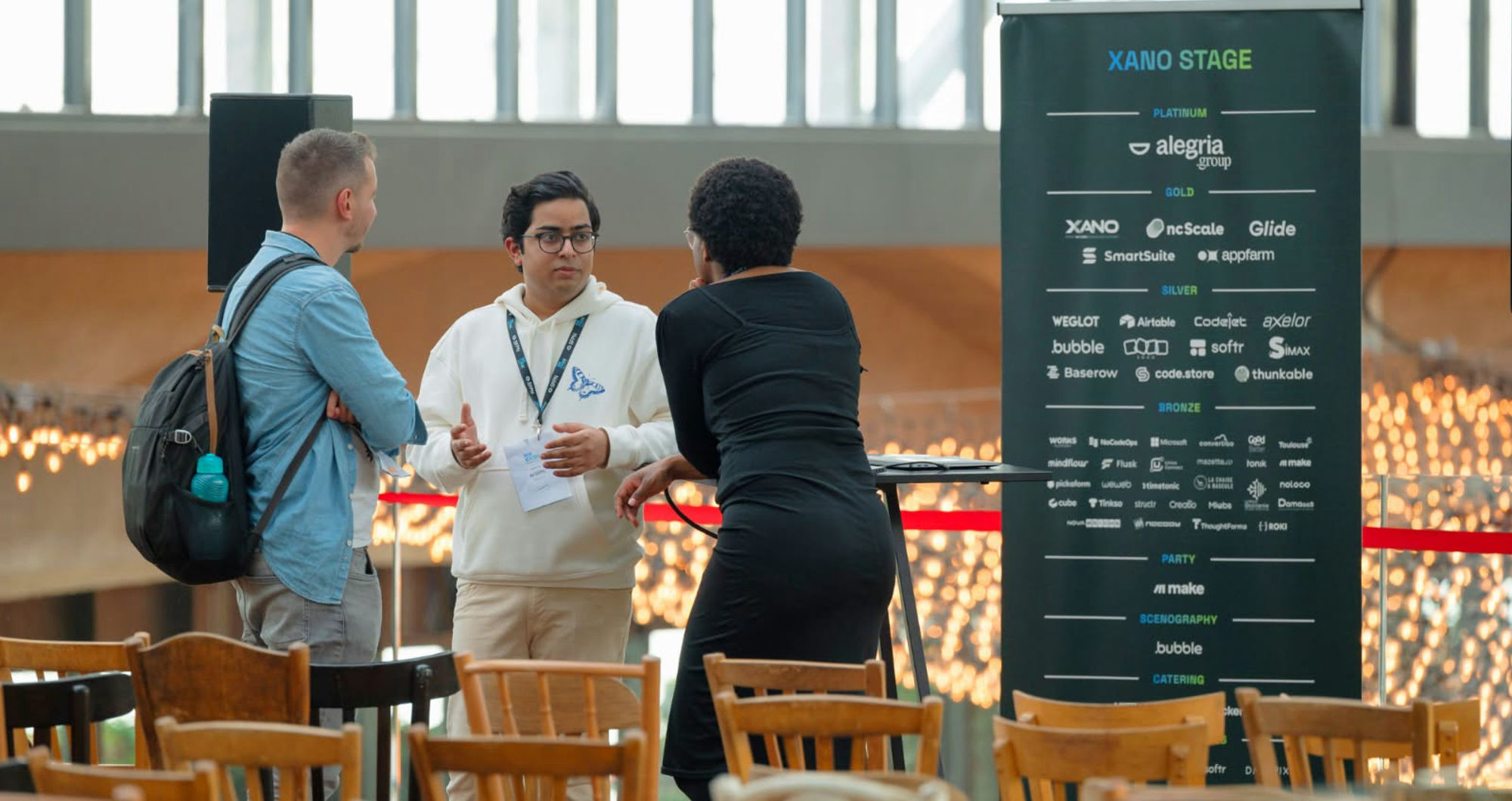
The career of Akshay Singh, a 23-year-old London-based entrepreneur, touches on each of these shifts. Singh says he began building websites at eleven for £8 to £10 each and sold a small digital agency at fifteen. He now works in AI-powered education. His path offers a practical view of how these changes are playing out, and where their limits lie.
Learning by Building
Singh’s early work followed a pattern that has become more common among young people with internet access: learning through paid projects rather than formal training. According to Singh, what began as small website jobs grew into an agency, which he sold, followed by several other micro-businesses he had exited by sixteen.
Self-directed learning of this kind has clear advantages. It teaches practical skills such as finding customers, pricing work and meeting deadlines. It also has drawbacks, including gaps in foundational knowledge and a lack of the structure and credentials that some employers and investors still look for.
Singh describes those years as his introduction to what is often called “zero-to-one” company building: taking an idea from its earliest stage to a functioning business.
Early-Stage Work with Limited Resources
One example is Qubit Fit, a fitness business set up to offer affordable health and fitness programmes to working professionals. Its founder had returned to India from the United States after a serious illness, with limited savings.
Singh worked on the company’s early stages, including its branding, website, customer-facing products and internal tools. According to Singh, the business reached seven-figure revenue in its first year.
Cases like this illustrate a broader point about early-stage companies: much of the work is operational rather than technical. Positioning, customer communication and day-to-day processes often matter as much as the product itself, particularly when a team has little money to spend.
The Rise of No-Code
No-code platforms allow users to build websites, apps and automated workflows through visual interfaces rather than traditional programming. Supporters argue they lower the cost and skill needed to test an idea; critics point to limits on customisation and scalability, and to the risk of depending on a single vendor’s platform.
Singh joined On Deck’s No-Code Fellowship on a scholarship and later helped build NoCode Weekend, a hackathon series for students, researchers, career-switchers and aspiring founders. The organisers report more than 10,000 registrations and over 3,000 participants. The format asked participants to build and launch a simple product over a weekend, rather than spend months learning to code first.
The initiative held its final in-person event in London, and its materials were open-sourced in 2024.
Events like this are useful for getting a first version of an idea in front of users quickly. Whether those projects go on to become lasting businesses is a separate question, and one that hackathons are not designed to answer.
Venture Studios and Emerging Technology
Singh also worked with Nobody Studios, a venture studio. Venture studios differ from traditional investors in that they help create companies themselves, supplying ideas, operators and shared resources rather than capital alone. The model has grown in popularity, although results vary widely and studios typically hold significant equity in the companies they help start.
His work there included a B2B platform combining no-code tools with artificial intelligence, and he presented products at the NoCode Summit 2023 in Paris and at London Tech Week 2024.
What Microgrants Can and Cannot Do
Singh also ran a microgrant initiative offering sums usually under $500 to people pursuing entrepreneurial, creative and community projects. The money went towards items such as software, hosting, materials, camera equipment and prototypes. Recipients did not give up equity or need to show that their project could become a large business.
Microgrants address a specific gap: the very first costs of testing an idea, which are often too small to interest investors but still too large for some individuals. Their main limitation is sustainability. Singh’s programme awarded more than 60 grants before closing in 2024 due to financial constraints, a common outcome for small, privately funded schemes without a steady source of income.
AI in Education
Singh currently works with Flylane, an education company serving learners in more than 30 countries, where he is involved in strategy, operations and product development for AI-powered learning tools.
AI is being adopted in education for tasks such as personalised practice, feedback on written work and reducing administrative workload for teachers. It also raises open questions about accuracy, data privacy, academic integrity and the role of teachers, issues that schools, universities and regulators in the UK and elsewhere are still working through.
Singh’s view is that the lessons from his earlier ventures still apply: understand how people actually use a product, and keep costs low enough that more learners can benefit from it.
Key Takeaways
For anyone considering building a technology product with limited resources, a few points emerge from Singh’s experience and the wider trends behind it:
- Low-cost tools make it possible to test an idea quickly, but early validation is not the same as a sustainable business.
- Operations, customer understanding and communication often decide whether an early-stage company survives.
- Small amounts of funding can unblock first steps, but funding programmes themselves need a sustainable model.
- New technologies such as AI bring both opportunities and risks, which need careful weighing in sensitive sectors such as education.
More about Singh’s work is available on his LinkedIn profile.