
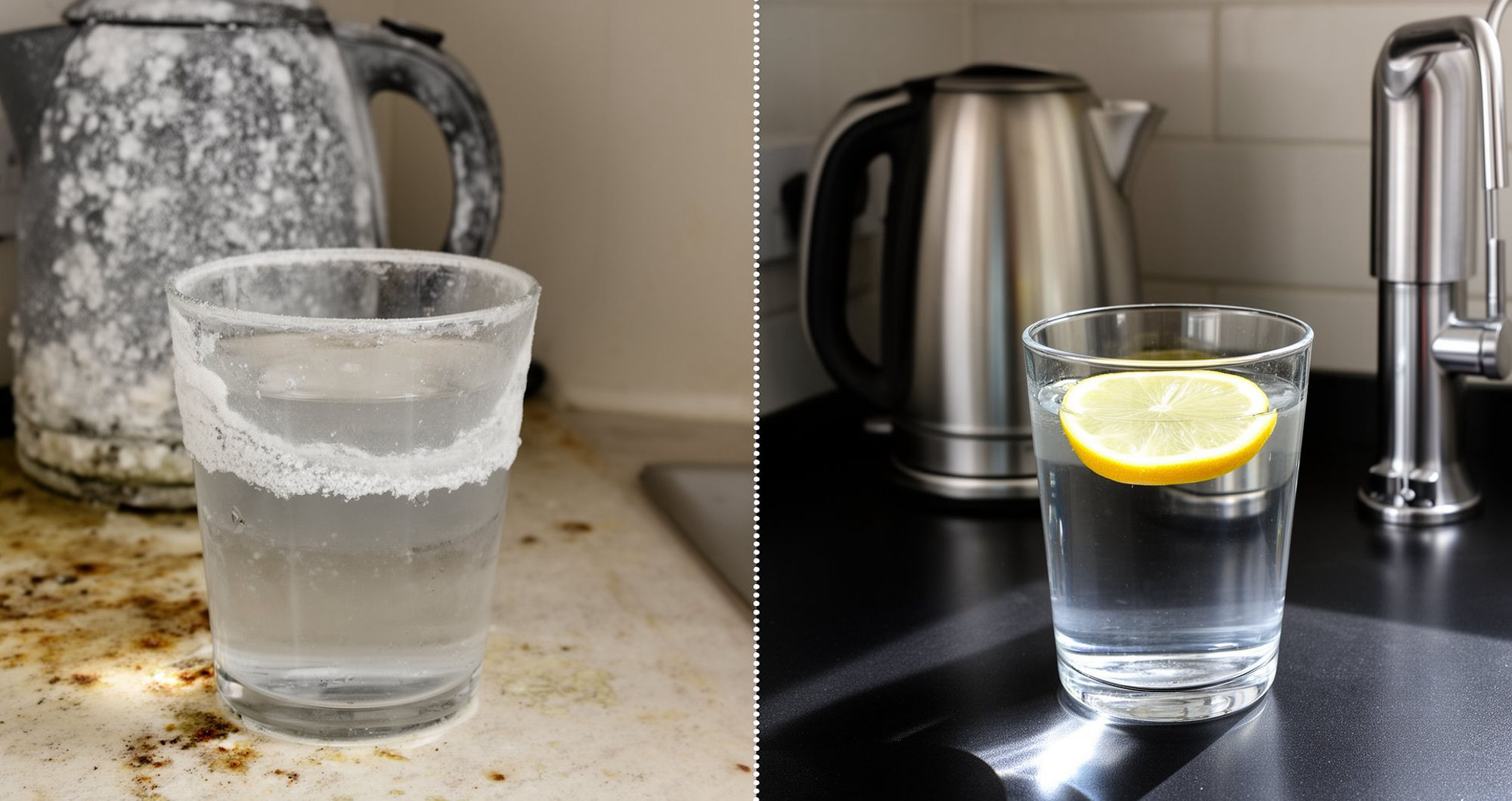

London Water Is Safe But Not Perfect
Tap water in London is perfectly safe to drink. Thames Water tests it rigorously. But safe does not mean pleasant. London gets most of its water from the River Thames and groundwater sources. It passes through chalk and limestone. That picks up minerals. The result is hard water that tastes and behaves differently.
The Taste Test Never Lies
Fill a glass in London. Fill another in Glasgow or Manchester. Drink both. The difference is stark. London water has a distinct flavour. Some describe it as chalky or metallic. Others notice a faint chlorine aftertaste. You have got used to it. That does not mean it is good. A simple water filter removes those off-notes completely.
Hard Water Is the Real Culprit
London is one of the hardest water areas in the UK. High levels of calcium and magnesium cause limescale. That same limescale affects taste. It also clogs kettles, ruins coffee machines, and dulls glassware. A water filter does not fully soften water, but it reduces the mineral load. Your tea will taste like tea, not calcium.
What a Filter Actually Removes
Activated carbon filters trap common contaminants. Chlorine – that swimming pool taste – goes first. Sediment and microplastics are next. Some filters reduce lead, copper, and pesticides. None of these are present at dangerous levels in London. But they are present. And removing them improves both taste and peace of mind.
The Hidden Benefit for Coffee Drinkers
Speciality coffee shops filter every drop they serve. There is a reason. Hard water ruins coffee extraction. Minerals bind with flavour compounds. Your expensive beans taste flat. A filtered water system restores the true flavour. Bright, clean, and complex. You do not need a café machine. You just need better water.
Less Plastic, Less Waste
Londoners buy millions of plastic water bottles every year. Most end up in landfill or the river. A home filter system eliminates that habit. Fill a reusable bottle from your tap. Drink clean, great-tasting water for pennies. The filter pays for itself within months. And your conscience rests easier.
Three Types of Filter for London Homes
These are the popular water filters that homeowners are purchasing.
Jug filters – Cheap and simple. Replace every month. Good for taste, not for scale.
Under-sink systems – Plumbed into your cold water line. Dedicated tap on the sink. Filters last six months. Best for most London kitchens.
Whole-house systems – Treat all water entering the home. Expensive but protects pipes, boiler, and showerheads.
The Cost Reality (London Prices)
A basic jug filter costs £15–£30. Replacement cartridges are £5–£10 per month. An under-sink system costs £80–£200 plus installation. Cartridges are £30–£50 every six months. Whole-house systems start at £500. Most London renters choose the jug. Most homeowners choose under-sink. Both deliver better water.
Installation Is Surprisingly Simple
Do not be intimidated. Under-sink systems use a small tap on your worktop. A filter unit hides inside the cupboard. A plumber fits it in under an hour. Many systems are DIY-friendly with push-fit connections. No major disruption. No drilling through granite if you use the existing spray hose hole. Landlords often approve this minor change.
What About Boiling?
Boiling kills bacteria. It does not remove chlorine, limescale, or heavy metals. In fact, boiling hard water concentrates the minerals. That white scum on your tea? Boiling makes it worse. Filter first, then boil. Your kettle will stay clean. Your tea will taste right. And you will stop descaling every two weeks.
The Real Story on Lead Pipes
Some older London homes still have lead pipes. Not many, but some. Lead is dangerous, especially for children and pregnant women. A good carbon filter with ion exchange removes lead effectively. If you are unsure about your pipework, test your water. Then fit a filter rated for lead removal. That is not about taste. That is about health.
Better Water for Cooking
Pasta cooked in filtered water tastes better. Rice absorbs fewer off-flavours. Soups and stews start with a cleaner base. Even ice cubes become transparent and neutral. You spend hours choosing fresh ingredients. Then you boil them in chlorinated hard water. That makes no sense. Filter first. Cook better.
Common Myths – Busted
“Filters remove all minerals.” No. Good filters leave beneficial minerals while removing chlorine and sediment.
“Bottled water is better.” Blind taste tests regularly show filtered tap water winning against premium brands.
“Filters are high maintenance.” Changing a cartridge every few months takes two minutes.
“They waste water.” Unlike reverse osmosis, carbon filters waste nothing.
The Final Word
London’s tap water is safe. It is not optimal. Chlorine, hard minerals, and old pipes affect taste and quality. A water filter is a small investment with daily returns. Better tea and coffee. Better cooking. Less plastic. Less limescale. And water you actually want to drink. In a city where everything is expensive, this is the affordable upgrade that keeps giving. Fill a glass. Filter it. Taste the difference. You will never go back.







