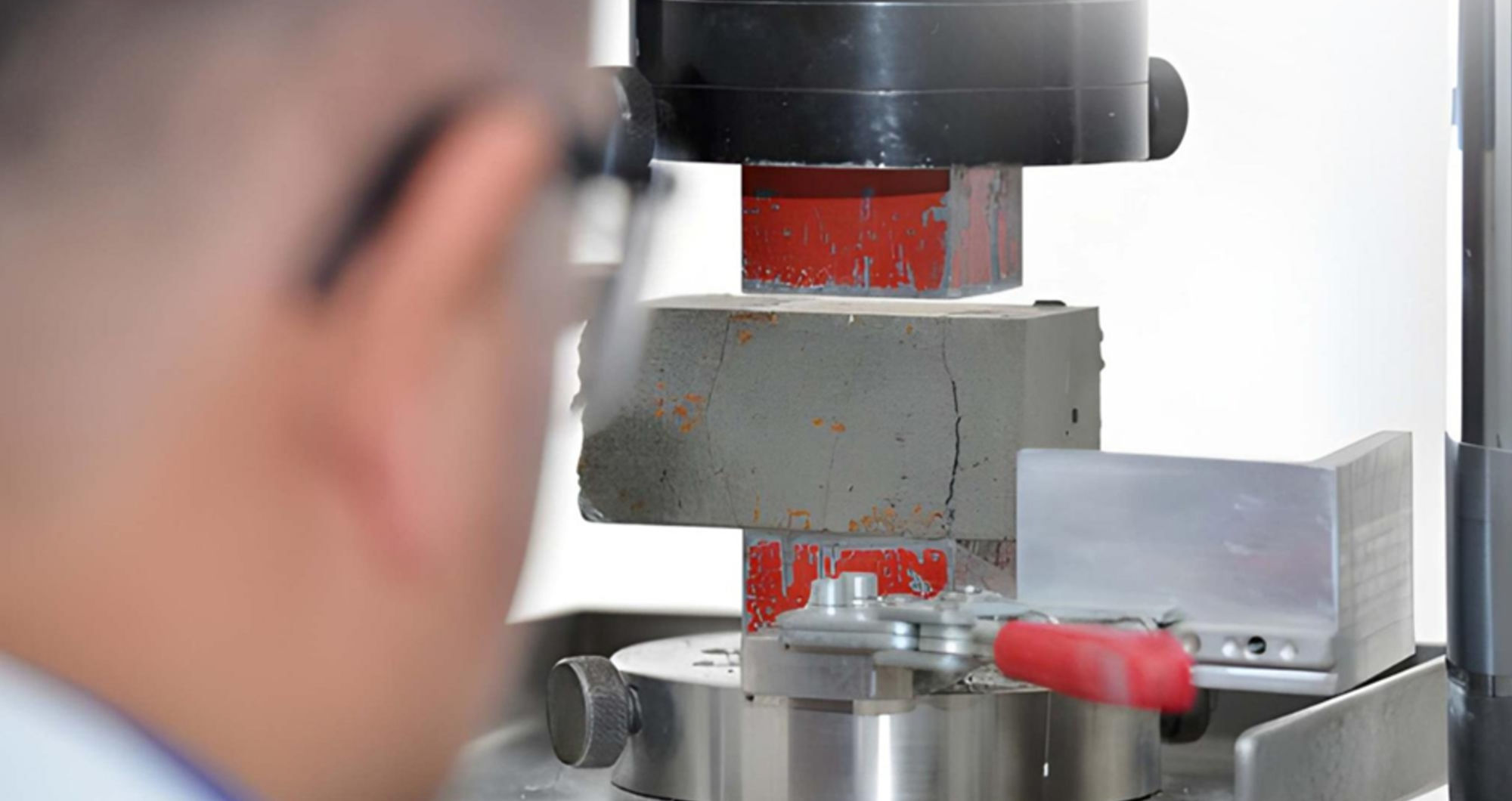

Quality control laboratories in the UK are under increasing pressure to deliver faster results, maintain compliance, and uphold the highest standards of accuracy. With strict UKAS audits and tight British Standards constantly breathing down your neck, you cannot afford any guesswork when testing materials. If a concrete batch or structural component fails because your testing gear is outdated, your reputation is on the line.
According to official UK workforce and training frameworks outlined by Skills England, meeting rigorous British and European standards (BSEN) for mineral and heavy construction product testing is mandatory to ensure public safety and structural quality across the industry.
That is exactly why upgrading to a modern compressive strength testing machine isn’t only a luxury; it is a total survival move for your business. But with so many options out there, how do you pick a machine that actually makes your life easier?
Let’s break down the absolute must-have features you need to look for to keep your lab running smoothly, compliant and ahead of the game:
1. High Frame Stiffness (No More Bad Data)
When you are crushing heavy-duty samples, your machine needs to be an absolute beast. If the frame flexes even a tiny bit under massive pressure, it skews your data and ruins the test. You want a heavy, solid steel frame that handles intense stress without budging.
Think about it like this: even when studying material limits under crazy environmental stress using tools like a compression testing machine in the UK, scientists look for absolute stability. Your compression test machine needs that same rock-solid reliability right here in the UK. High frame stiffness ensures you get perfect, repeatable data every single time you hit start.
2. Smart Digital Automation
Let’s face it, manual control valves belong in the past. If your team is still adjusting dials by hand, human error is bound to creep in. Upgrading to a modern compression testing machine digital system changes the whole game.
Look for these automated features when shopping around:
- Touchscreen Controls: Simple, clean digital interfaces that let your team set up tests in seconds.
- Automatic Loading Rates: The machine maintains a perfect pace on its own, fully matching BS EN specifications.
- Instant LIMS Syncing: No more messy handwriting; data is sent straight to your lab computer system automatically.
- Automated Report Generation: Generate standardised reports instantly, making audits, customer documentation and compliance reviews significantly easier.
Choosing a certified digital compression testing machine means you eliminate operator variance. Your data stays clean, your team saves massive amounts of time, and your audit trail becomes completely bulletproof.
3. Multi-Specimen Compatibility
Your lab may test different specimen types every week. One project may require testing small mortar cubes, while another may involve large concrete cylinders or structural samples. A modern compression testing system should handle multiple specimen sizes and shapes without complicated adjustments.
Investing in a high-quality compression testing machine for concrete gives you the flexibility to handle a range of shapes and strengths seamlessly. A versatile concrete testing machine and a concrete compression testing machine ensure you aren’t turning away high-paying clients because your equipment can’t handle a range of sizes. When your machine excels as a dedicated concrete compressive strength testing machine, your lab instantly becomes the local go-to spot for commercial infrastructure testing.
4. Smart CAPEX Decisions
You know that budget discussions with stakeholders are tough. But looking only at the initial compression testing machine price tag is a major trap. Cheap machines usually lead to massive downtime, constant recalibration costs and missing spare parts when you need them most.
Instead, partner with a trusted compression testing machine manufacturer or a reliable local compression testing machine supplier. Investing in premium hardware protects your budget over time by reducing maintenance costs and keeping your lab line running.
Common Mistakes Labs Make When Buying Compression Testing Equipment in the UK
Many buyers focus on immediate needs and overlook long-term requirements. Some common mistakes include:
- Choosing equipment based only on initial cost.
- Ignoring future testing requirements.
- Overlooking calibration and service support.
- Selecting capacity levels that are too limited.
- Concentrating only on hardware while overlooking software capabilities.
Avoiding these mistakes helps ensure your investment remains valuable as your laboratory grows.
Quality Control Checklist Before Investing in a Compression Testing Machine in the UK
Before making your final decision, confirm that your selected system offers:
- Required testing capacity
- Accurate and repeatable measurements
- Digital reporting capabilities
- Calibration and technical support
- Future scalability
- Reliable supplier assistance
Why Future-Proofing Matters
Running a top-tier lab is all about precision, consistency and belief. As testing standards continue to grow, laboratories require equipment like a compression testing machine in the UK that can support higher workloads, stricter compliance requirements and advanced reporting expectations. Investing in the right compression testing machine today helps you stay prepared for future projects, larger contracts and growing customer demands while maintaining confidence in every test result.
Ready to level up your laboratory accuracy and crush your next audit? Visit Testron Group and request a demo today!