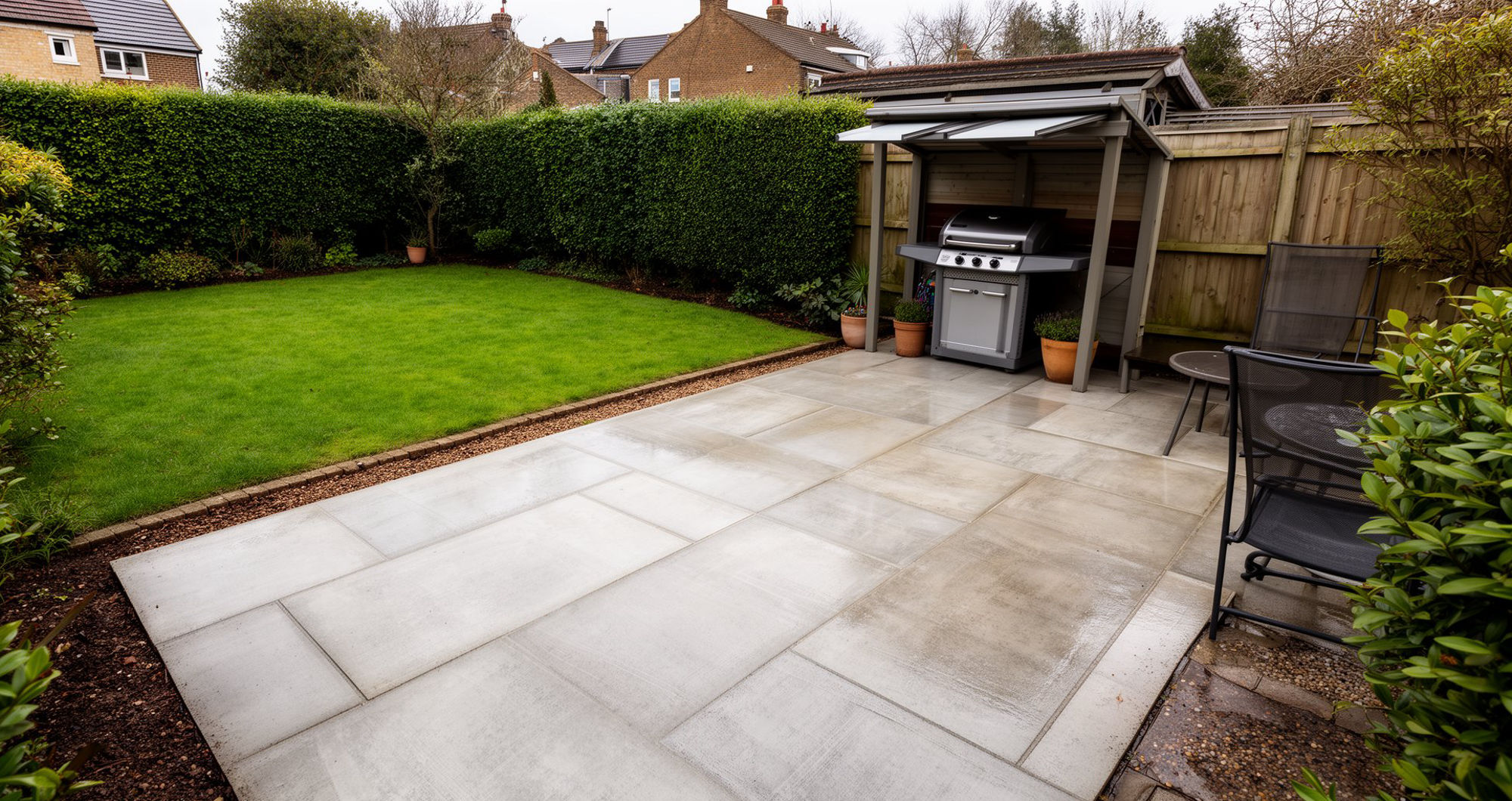

Upgrading your home’s exterior with a dedicated outdoor living space is one of the most rewarding investments you can make. It extends your usable square footage, enhances curb appeal, and creates a natural hub for relaxation and entertaining. However, the first major decision can also be the most daunting: should you pour a concrete patio or build a wooden deck?
Both options offer distinct advantages in aesthetics, cost, maintenance, and longevity. There is no universal “right” answer, but by understanding how each material aligns with your specific needs, climate, and lifestyle, you can confidently choose the foundation for years of outdoor enjoyment.
The Case for a Concrete Patio
Concrete patios have long been a staple of garden landscaping, prized for their ruggedness and practicality.
Durability and Longevity: A professionally poured and properly sealed concrete slab is exceptionally tough. It withstands heavy furniture, high foot traffic, and ground movement better than most decks. In hot, dry climates or regions prone to termites and rot, concrete is virtually indestructible, often lasting 30 years or more with minimal intervention.
Low Maintenance: This is concrete’s strongest selling point. Unlike wood, you will never need to sand, stain, or seal it annually. A simple schedule of sweeping and occasional pressure washing keeps it looking fresh. If sealed every few years to prevent stains and cracking, maintenance remains remarkably low.
Cost-Effectiveness: For ground-level or near-ground-level applications, poured concrete is almost always cheaper than a comparably sized wood deck. The materials are affordable, and the labour is less specialised, leading to a lower upfront investment, especially for simple rectangular designs.
Aesthetic Evolution: Gone are the days of dull grey slabs. Modern techniques allow for stamped patterns that mimic flagstone, brick, or slate, as well as exposed aggregate for texture and integral colour for warmth. You can achieve a high-end look at a fraction of the cost of natural stone.
However, concrete is not without flaws. It is susceptible to cracking from freeze-thaw cycles in cold climates. It offers no drainage—water pools on the surface. And, crucially, it cannot be built on uneven or sloped ground without expensive excavation and retaining walls.
The Case for a Wooden Deck
A wooden deck brings a warmth and organic connection to nature that concrete simply cannot replicate.
Natural Beauty and Versatility: Wood—whether pressure-treated pine, cedar, redwood, or exotic hardwoods like ipe—offers rich grain patterns and a tactile, warm surface. It feels softer underfoot and stays cooler than sun-baked concrete. More importantly, decks excel on sloped properties or above garages, where a patio is impossible. You can build at any height, creating multi-level spaces wrapped around trees or overlooking a garden.
Repairability and Customisation: Individual damaged boards on a deck can be unscrewed and replaced—a simple fix. Concrete cracks, however, are permanent and often unsightly to repair. Decks also allow for endless customisation: built-in benches, planter boxes, hidden fasteners, and curved railings are all achievable with standard carpentry.
Climate Adaptability: In rainy or snowy regions, raised deck boards allow water and debris to fall through, keeping the surface dry and reducing mud tracked into the house. Concrete patios, by contrast, require proper slope and drainage planning to avoid puddles.
The downsides of wood are well-known: maintenance. Pressure-treated decks need cleaning, sealing, or staining every one to three years. Cedar and redwood require similar care. Neglect leads to grey, splintered wood, mould, and rot. Additionally, wood decks have a shorter lifespan (10–20 years for softwoods) and can suffer from insect damage.
Making the Final Decision
To choose wisely, answer three simple questions about your property and lifestyle:
- What is your site like? Flat and stable ground with good drainage leans toward concrete. A slope, uneven terrain, or a second-story exit demands a deck.
- What is your tolerance for maintenance? If you prefer to “set and forget” your outdoor space, invest in a stamped concrete patio. If you enjoy weekend projects and value natural aesthetics, a wooden deck is rewarding.
- What is your climate? In hot, summer temperatures, concrete can become scorching; a shaded deck is more comfortable. In wet, humid weather, a raised deck prevents rot and moisture issues, but choose pressure-treated or composite wood. In freeze-thaw zones, concrete may crack, while wood can warp.
By answering these, by working to an affordable budget and timescale, you’ll be able to decide which ideal outdoor upgrade option works best.
A Final Note on Alternatives
If you find yourself torn—wanting the durability of concrete and the look of wood—consider stamped concrete with a wood-plank pattern, or composite decking (a wood-plastic blend). Composite offers low maintenance like concrete but the form and elevated installation of a deck, albeit at a higher upfront cost. Stepping out from your sunroom, you’ll want a practical surface to step onto.
Ultimately, a concrete patio is the pragmatic, durable workhorse best for flat, sunny backyards. A wooden deck is the versatile, beautiful craftsman ideal for sloped lots and those who appreciate natural materials. Assess your land, your time, and your taste—and the right choice will become clear.