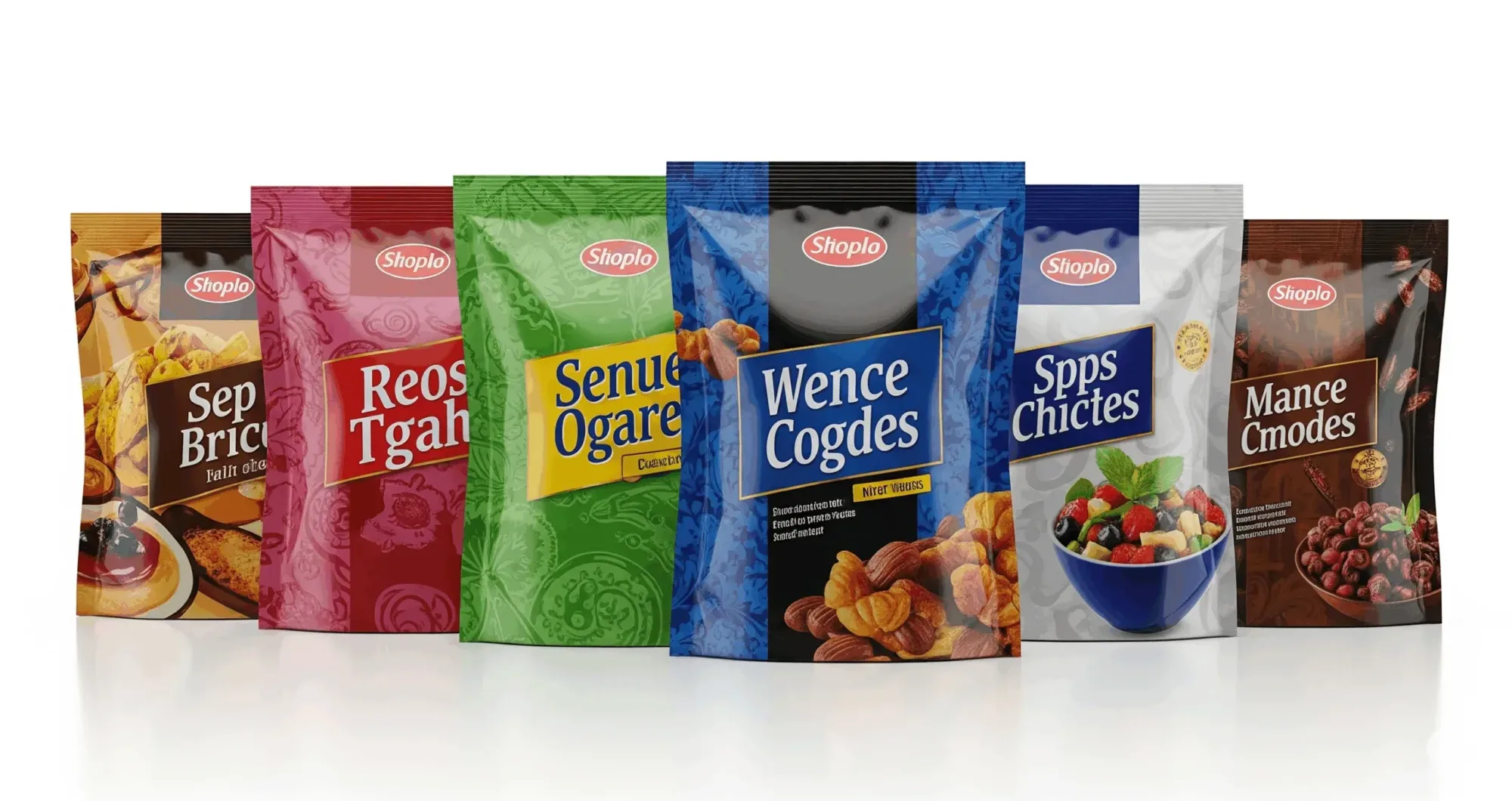

The global converted flexible packaging market is poised for significant growth, projected to surge from USD 275 billion in 2024 to USD 381.13 billion by 2034, according to recent market projections. This reflects a Compound Annual Growth Rate (CAGR) of 3.33%, driven by rising demand for lightweight, sustainable packaging and advancements in smart and AI-powered technologies.
In 2025, the market is valued at USD 284.16 billion, with Asia Pacific leading global revenues. Plastic remained the dominant packaging material, while food and beverage applications accounted for the largest share.
Key drivers of growth
The industry’s growth is fueled by several key trends:
Technological advancements in packaging materials that extend shelf life and enhance product safety.
Rising urbanization and lifestyle shifts prompting higher consumption of processed and ready-to-eat foods.
Increased adoption of smart packaging using RFID, QR codes, and printed electronics for real-time tracking and improved consumer experience.
Greater emphasis on sustainable materials, such as biodegradable films and recyclable paper-based packaging.
Moreover, manufacturers are increasingly prioritizing cost-effective, lightweight packaging to reduce shipping costs and carbon footprints.
AI integration reshaping the industry
Artificial Intelligence is rapidly transforming packaging operations. Machine learning is now used to monitor and optimize material use, reduce waste, and enhance operational efficiency. Predictive maintenance, powered by AI, is also minimizing equipment downtime and improving productivity in packaging facilities.
AI is further driving innovation in smart packaging, enabling traceability and security features critical for sectors like pharmaceuticals and food safety.
Market segmentation insights
By material:
Plastic dominated in 2024 due to its versatility, strength-to-weight ratio, and low cost.
Paper-based packaging is projected to grow at a significant pace, spurred by environmental regulations and anti-plastic movements.
By application:
The food and beverage industry held the largest market share, attributed to growing population, urbanization, and disposable income.
Pharmaceuticals are expected to see notable growth due to demand for child-resistant, tamper-proof, and regulatory-compliant packaging.
Regional outlook
Asia Pacific:
The region led the market in 2024, backed by strong manufacturing capacity and demand across key industries. Regulatory pressure is pushing a shift toward eco-friendly packaging materials.
North America:
Expected to grow at the fastest CAGR, North America benefits from rising e-commerce adoption and strong demand in the healthcare and food sectors.
According to the U.S. Department of Commerce, e-commerce sales in Q1 2025 accounted for 16.2% of total retail sales—highlighting the increasing need for flexible packaging in shipping and direct-to-consumer logistics.
Recent industry developments
In August 2023, Toppan, Mitsui Chemicals Tohcello, and Mitsui Chemicals began pilot testing for horizontally recycling BOPP film into new flexible packaging. The initiative aims to create a scalable model for circular packaging production and reduce environmental impact.
In September 2024, Pakka launched a new line of compostable flexible packaging for the food and beverage sector, responding to heightened consumer demand for sustainable solutions.
Conclusion
With growing environmental awareness, regulatory mandates, and digital innovation, the converted flexible packaging market is entering a transformative era. As industries shift toward eco-conscious and tech-integrated packaging, the sector is expected to play a critical role in shaping the future of global consumer goods delivery and sustainability.
Source: https://www.towardspackaging.com/insights/converted-flexible-packaging-market-sizing