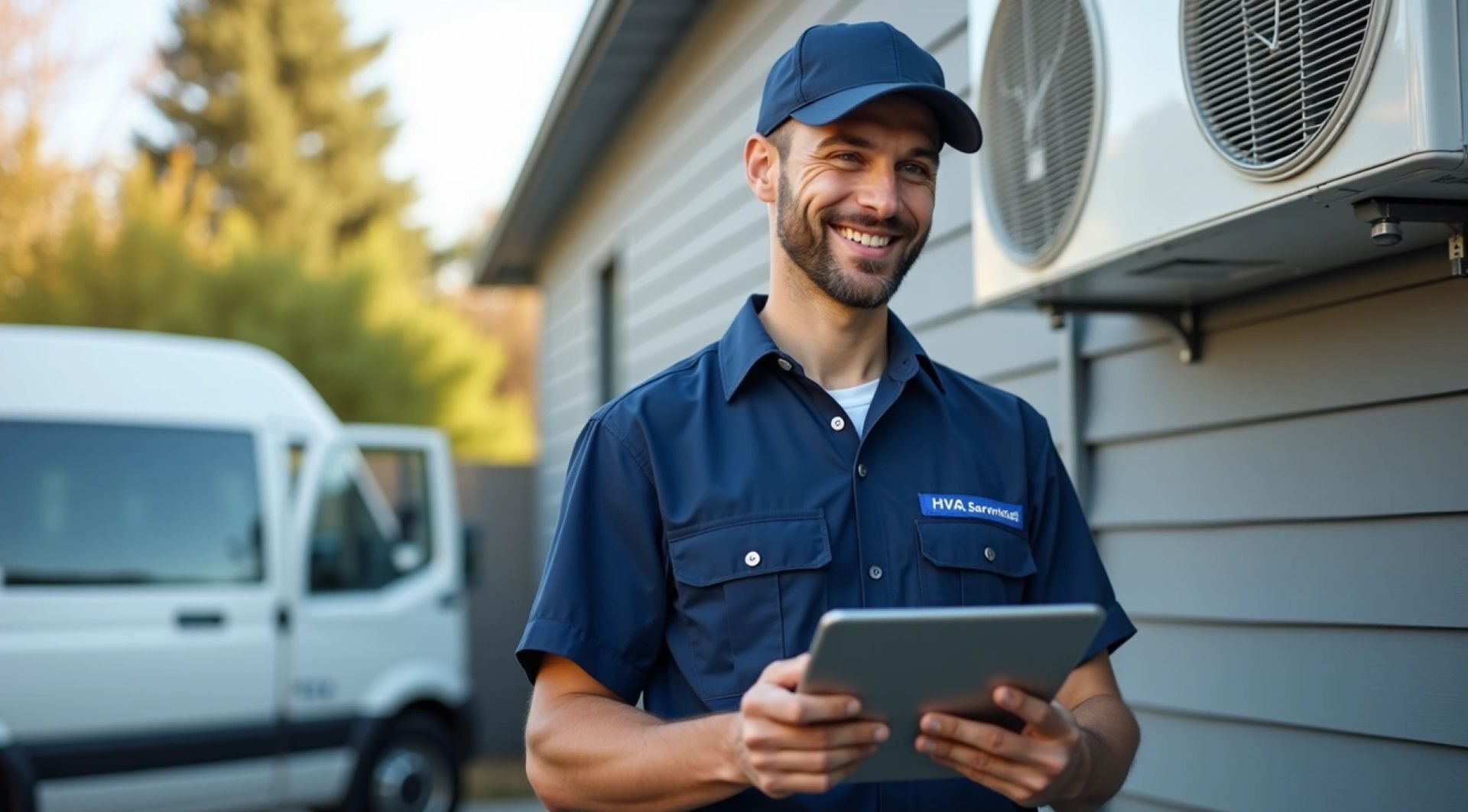

The US HVAC market keeps growing and experts predict it will hit $26.93 billion by 2030. HVAC advertising has become a vital part to help AC technicians grab their share of this booming industry.
Many HVAC businesses find marketing challenging, even with plenty of opportunities ahead. New HVAC customer acquisition costs about $296, which makes smart advertising strategies essential to grow economically. The numbers tell an interesting story – 90% of consumers search online to find local services, and 74% read reviews on at least two different sites before they choose a provider.
These numbers show why HVAC advertising must go beyond old-school methods. Google searches lead to 70% of all service calls, and 87% of buyers research online before making purchases. Digital marketing isn’t just an option anymore – it’s the work to be done. HVAC businesses that use automation software see amazing results, generating four times more quality leads.
This piece shows you proven advertising solutions that make technicians stand out from their competition. AC professionals can boost their business growth by building a strong online presence and making the most of customer reviews.
Build a Clear HVAC Marketing Strategy
Random promotional efforts won’t cut it for HVAC companies. Your business needs a well-laid-out marketing approach. A solid HVAC marketing strategy will help you attract new customers and grow your business the right way.
Your HVAC advertising plan should be based on your target audience, timing, and the channels that work best for you. Let’s look at how you can put this framework together.
Define your target audience and service area
The first step to successful HVAC advertising is knowing exactly who wants your services. Small HVAC businesses and startups might find homeowners more profitable. Mid-sized to large companies could expand their reach to commercial building owners and property managers.
You’ll need to analyse these important factors about your audience:
- Demographics: Age, income level, gender, and education of potential customers matter
- Geographic location: The specific towns, neighbourhoods, or regions you serve
- Property types: Suburban areas with newer developments or aging homes suit residential markets. Urban areas with offices and retail spaces work better for commercial clients
- Customer needs: Homeowners typically want seasonal maintenance or energy-efficient upgrades. Businesses care more about reliability and quick repairs
On top of that, your location substantially affects your target market. Weather conditions and local building codes determine what types of HVAC systems work in different climates.
Set seasonal goals for heating and cooling services
The HVAC business ebbs and flows with the seasons. Industry experts say you should put 10-20% of sales into your HVAC marketing budget to grow your business. A 5% budget is the bare minimum and won’t give you much traction.
Smart HVAC companies don’t slow down during quiet seasons like spring and fall. They actually step up their marketing game.
“Don’t pull back, extend the marketing,” says Ben Stark, business owner and HVACR industry consultant. “Push it a little bit, instead of pulling back”.
Your seasonal plan should include:
- Marketing spend adjustments that highlight service plans or seasonal check-ups in spring and fall
- Preventative maintenance discounts for local businesses and homeowners during slower times
- Content that teaches customers about getting ready for upcoming seasons
- Clear, measurable goals with deadlines (like “20 new leads this quarter”)
Choose the right HVAC advertising channels
The best marketing channels become clear once you know your audience and timing. A mix of old-school and digital methods usually gets the best results.
Digital advertising options include:
- Search engine marketing: Google Local Services Ads show up first in search results with a Google Guarantee badge. You pay per lead instead of per click
- Display ads: Text and visual elements placed on websites or apps
- Social media advertising: Facebook, Instagram, and LinkedIn help you reach specific groups of people
- Email marketing: An economical solution to stay visible, especially during quiet months
Traditional advertising still packs a punch through:
- Direct mail campaigns featuring seasonal discounts or maintenance reminders
- Print advertising in local publications
- Community sponsorships that build local trust and recognition
Match your channels to what you want to achieve. Google display ads or Instagram build brand awareness. Local Services Ads on Google are great for quick leads.
A clear picture of your audience, seasonal planning, and the right marketing channels will make your HVAC advertising more focused. This approach helps you get more value from your marketing budget.
Create a High-Converting Website
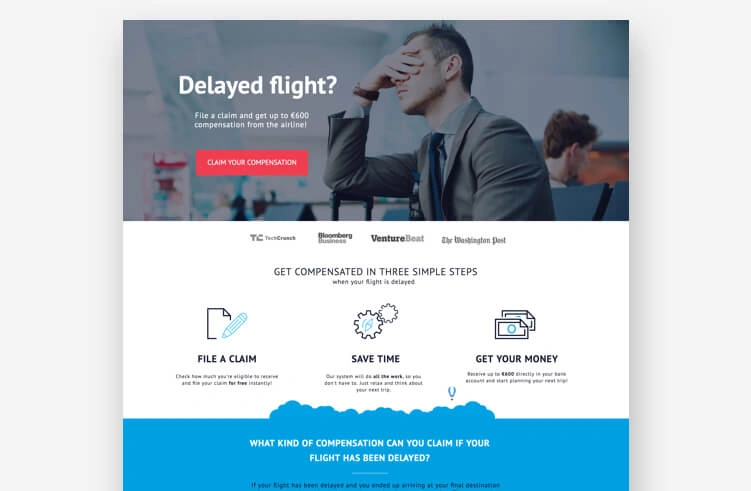
Image Source: Avocat Oradea
Your website is your HVAC business’s digital storefront. A well-laid-out website doesn’t just attract visitors—it turns them into paying customers through strategic design elements and accessible features.
Make it mobile-friendly and fast-loading
Mobile devices generated nearly 60% of global website traffic in 2022. This data shows that potential customers use smartphones to find HVAC services. Mobile optimisation has become essential to work in hvac advertising.
A truly mobile-friendly HVAC website should include:
- Responsive design that adjusts automatically to any screen size
- Dynamic content that adapts based on the device being used
- Touch-friendly navigation with buttons large enough to tap without zooming
- Simplified menus with clear hierarchical structure to find information quickly
Speed matters as much as mobile compatibility. Nearly half of users expect websites to load in 2 seconds or less. Pages that take longer lead to increased bounce rates. You can improve loading times by compressing images, using browser caching, and reducing heavy scripts.
Add clear service pages and contact forms
Service pages need clear, effective messaging that shows value quickly. Content should be broken into smaller paragraphs with headings and white space to read better on mobile devices.
Customers will move to competitors if they can’t reach you easily. Your website must include:
- A dedicated contact page showing phone number, email, location, and business hours
- Multiple contact methods (phone, email, chat, text) for different customer priorities
- Simple forms that gather only vital information (4-5 fields maximum)
- Click-to-call buttons that link mobile users to your phone line instantly
Online booking systems can substantially improve your hvac business advertising results. A 24/7 online booking system gives you more time to perfect customer service, finish more jobs, and handle administrative work.
Use strong calls to action and trust signals
Each page on your HVAC website needs prominent calls-to-action (CTAs) that lead visitors toward conversion. Effective CTAs for hvac advertising include “Book Now,” “Request a Quote,” or “Call Now for 24/7 Emergency Service”.
Strategic CTA placement matters:
- In the website header
- Within service descriptions
- At every page end
- Near pricing information or special offers
Trust signals build credibility and boost conversions. Research shows 49% of customers trust reviews from local business sites as much as recommendations from family and friends.
Effective trust signals include:
- Customer testimonials and reviews in prominent spots
- Industry certifications and awards (such as BBB accreditation or Energy Star badges)
- Service guarantees and warranties stated clearly
- Professional affiliations with recognised organisations
A professional, clean web design builds trust. Your website becomes more effective than most other hvac advertising strategies when you combine it with clear contact details, customer reviews, and certifications.
Your website should do more than look good—it should convert visitors through smart design, clear communication, and strategic elements that create trust and drive action.
Boost Visibility with Local SEO
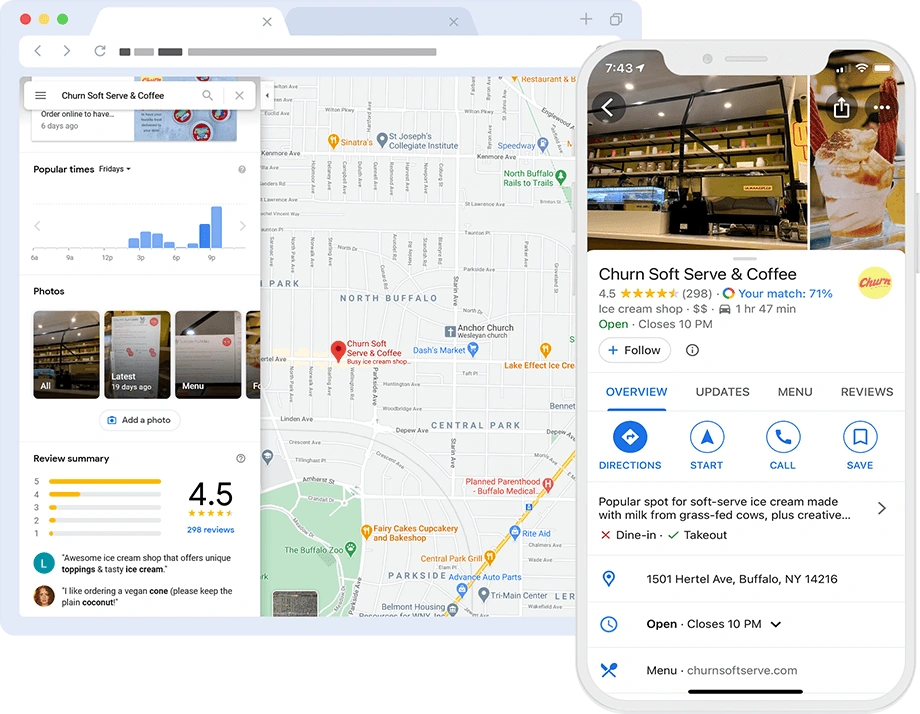
Image Source: Klimaszerelo Budapest
Local search engine optimization (SEO) helps HVAC businesses connect with nearby customers who search for their services. Most consumers buy services within a 15-mile radius of their homes, so becoming skilled at local SEO techniques is vital for effective hvac advertising.
Optimise your Google Business Profile
Google Business Profile (GBP) is one of the most powerful free tools to enhance local visibility in hvac business advertising. 93% of local searches show the local pack in search results, which makes GBP optimisation a high-value, low-effort marketing approach.
The first step is to claim and verify your profile through Google Business Profile. Google sends a verification code by mail to confirm your legitimacy. Your HVAC business will appear in Google searches and Maps once verified, making you visible to people in your area who need services.
Your profile needs these details for the best results:
- Business name (matching your website exactly)
- Address and service areas
- Local phone number (not toll-free)
- Business hours (updated for holidays)
- Services section with detailed offerings
- High-quality photos of technicians and completed work
Your Name, Address, and Phone number (NAP) should be consistent across your website, social media, and online directories. Google’s algorithm gets confused by inconsistent information, which can lower your rankings.
Use location-based keywords
Your website content should include HVAC-specific terms combined with the locations you serve. Geo-targeted keywords act like signposts that guide your target audience to your business.
Mix up your location keywords for better results:
- City-specific keywords: “HVAC repair services in [City Name]”
- Regional keywords: “Central [State/Region] HVAC installation”
- District-specific terms: “Heating repair near [Neighbourhood]”
Create separate landing pages for each location you serve. This approach helps target location-specific keywords better and shows Google you serve those areas, which boosts your ranking potential for local searches.
“Near me” searches are growing fast. A well-optimised GBP profile helps you tap into this trend. 60% of people contact businesses directly from local search results, making proper geo-targeting essential for hvac advertising strategies.
Get listed on local directories
Your HVAC business should be listed in online directories beyond your website and GBP. These business citations help boost your local search rankings while expanding your digital presence.
These popular directories deserve your attention:
- Yelp
- Nextdoor
- Yellow Pages
- Chamber of Commerce
- Facebook Pages
- Bing Places
Lead generation websites like Thumbtack, Houzz, Angi, and HomeAdvisor match you with potential customers. These platforms often show up at the top of Google search results.
Keep your business information consistent across all listings. Paying attention to NAP details builds authority and reliability in your web presence, giving your hvac advertising solutions a strong boost.
Local SEO needs ongoing attention. Your HVAC company will climb local search rankings by optimising your Google Business Profile, using location-based keywords strategically, and keeping information consistent across directories. This connects you with customers right when they need your services.
Engage Customers Through Email and Social Media
Direct customer communication is the foundation of successful HVAC marketing. Email and social media are affordable channels that can deliver exceptional returns for HVAC businesses looking to grow.
Segment your email list to target better
HVAC companies can see a 4,000% potential return on investment through email marketing. This makes it a much more affordable option than pay-per-click advertising. You can maximise results by dividing subscribers into specific groups and sending them personalised messages.
Here are some effective ways to segment your audience:
- By Location: Set up separate email lists for different service areas to send local promotions
- By Service History: Create groups based on recent bookings, maintenance records, or lead status
- By Equipment Type/Age: Send replacement offers to customers with older systems (“Your Furnace Is Over 10 Years Old”)
- By Engagement Level: Customise messages based on email open rates
Studies show that segmented emails get 30% more opens and 50% more clicks than regular campaigns. This happens because people receive content that matches their specific needs.
Share seasonal tips and promotions
Seasonal email campaigns help HVAC businesses stay relevant throughout the year. Companies can keep customers interested during slower seasons (spring and fall) by sharing valuable content.
The 80/20 rule works best for campaigns—80% educational content and 20% selling. This mix keeps subscribers interested while naturally promoting your services. Some popular seasonal campaigns include:
- Severe Weather Campaigns: Advice on preparing HVAC systems for upcoming storms
- Anniversary Campaigns: Special discounts to celebrate milestones
- Maintenance Reminders: Seasonal tune-up promotions ahead of busy periods
- Energy-Saving Tips: Practical advice that shows your expertise
Automated email sequences let these campaigns run smoothly while keeping a personal touch. This strategy helps retain customers, gets more bookings, and increases profits.
Use paid social media ads to connect with homeowners
Social media platforms give HVAC businesses precise targeting options. Facebook has over 3 billion active users and lets you target based on location, age, homeownership status, and interests.
Nextdoor has become a great platform for HVAC advertising, with 77% of its users owning homes. This makes it perfect for reaching your target audience.
These strategies work best on social platforms:
- Add clear calls-to-action in every post
- Create posts about common homeowner problems
- Show before-and-after photos of your work
- Add customer testimonials to build trust
- Use videos, which get more engagement
Small budgets can still work well—start with $5-$10 daily to test what works. LinkedIn ads are better for reaching businesses that need regular maintenance or system upgrades.
Using multiple channels together usually works better, with 60% of marketers getting improved results when they combine direct mail with platforms like Facebook and Nextdoor.
Leverage Reviews and Referrals to Build Trust
Customer trust is the life-blood of HVAC business growth. Customer reviews and referrals are powerful tools that cost almost nothing yet bring exceptional returns. A self-perpetuating cycle of new business opportunities emerges when you build trust through strategic collection and use of customer feedback.
Make Use of Reviews and Referrals to Build Trust
Ask for reviews after every job
The success rates of review requests depend heavily on timing. Your best chance to get feedback comes right after completing a service. This is when customer satisfaction peaks and the experience stays fresh in their minds. Research shows 71% of satisfied consumers will write a positive review if companies make it easy.
Your technicians should follow these steps to work effectively:
- Send a direct link via text for reviews before leaving the job site
- Send a personalised message through email or text within 24 hours
- Add specific service details to make the request authentic
Automated systems help streamline this process. ServiceTitan’s reputation management tool lets technicians send automated review requests right after completing jobs. This captures feedback while customers remember their experience clearly.
Showcase testimonials on your website
Customer feedback becomes a powerful HVAC advertising asset when displayed strategically. Testimonials serve as social proof that helps reduce buyer hesitation and skepticism about reliability.
The numbers speak volumes—88% of customers read online reviews about local businesses before deciding. Your testimonials should appear on:
- Homepage and service pages where people first see your brand
- Content marketing materials like blog posts and case studies
- Email campaigns that build credibility
Video testimonials stand out as effective HVAC advertising examples. Written testimonials might raise doubts, but videos create authentic connections through visible emotions and body language.
Offer referral incentives to happy customers
A structured referral program ranks among the most budget-friendly HVAC advertising strategies. Studies show 77% of consumers trust services their friends or family recommend. These programs speed up trust-building that would naturally take longer.
Great incentives for referrals include:
- 10-20% discount on next maintenance visit
- Cash rewards for successful referrals
- Free add-on services or upgrades
Referrals do more than boost sales—they bring higher-quality leads that close more often. A Wharton Business School study revealed referred customers generated £0.36 more profit daily, while cutting acquisition costs by £18.36.
Social media platforms, email newsletters, and dedicated website sections should explain your referral program benefits clearly. Automated tools simplify management by handling referrals and rewards efficiently.
Use Automation and Tracking Tools to Scale
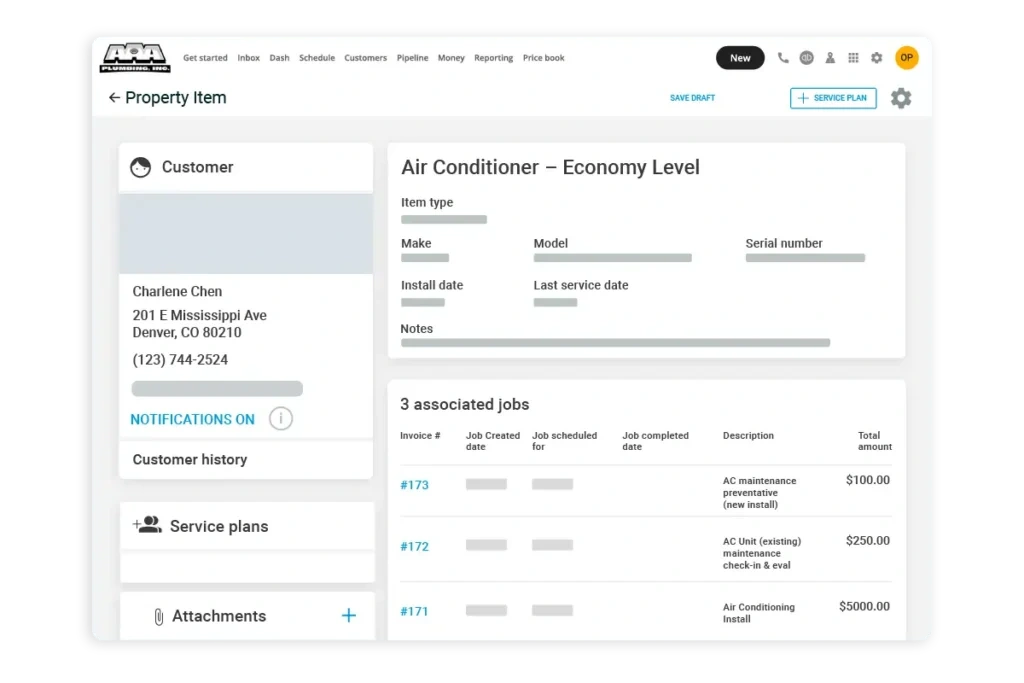
Image Source: Deblocari usi Oradea
HVAC businesses are scaling their operations by using automation technology that improves efficiency and reduces manual work. These automation tools merge with existing processes and reshape the scene of how technicians handle customer relationships during the sales cycle.
Automate email and SMS campaigns
A well-planned automated communication sequence ensures customers get timely, relevant information right when they need it. Successful HVAC companies use automated systems for:
- Seasonal tune-up reminders that alert customers before busy periods
- Post-visit feedback requests that collect testimonials right after service
- Maintenance notifications based on equipment age or service history
- Follow-up messages after quotes (day 4: “Still considering that quote?” day 7: “Here’s a 10% discount”)
These automated touchpoints create real results. Companies that use marketing automation see higher revenue through steady follow-ups. They save costs by cutting manual outreach and let their staff focus on technical work instead of paperwork.
Track leads with call tracking software
Call tracking solutions connect phone calls directly to their advertising sources. This gives solid data about which HVAC advertising ideas bring in business. Tools like CallRail offer “Premium Conversation Intelligence™” that studies calls to show which marketing campaigns attract ideal customers and create high-value jobs.
These systems capture key lead details like referring source (Google Search, social media), specific ad campaigns, keywords, caller location, and conversation specifics during tracking. This evidence-based data helps HVAC businesses invest with confidence in advertising strategies that work.
Use CRM tools to manage customer relationships
Customer Relationship Management (CRM) systems built for HVAC companies make the entire customer experience smoother. Companies should look for platforms with custom options, automation features, mobile access, and an easy-to-use design when picking an HVAC CRM.
CRM systems do more than simple contact management – they connect with inventory tracking so technicians know when to reorder parts. These systems cut down office work by automating invoices, payments, and scheduling. Technicians get mobile access to customer details, job info, and service history in real-time.
The best CRM systems also help make smart decisions. Technicians can track metrics like open rates, click-through rates, and conversions to improve their HVAC advertising strategies based on real results.
Conclusion
AC technicians need effective marketing to succeed in today’s competitive HVAC world. This piece explores many strategies that can revolutionise your business growth. A well-laid-out marketing approach, not random promotional efforts, creates the foundation for lasting success.
Your website acts as a digital storefront and becomes your 24/7 salesperson when it loads fast and works well on mobile devices. Local SEO tactics will give your business the visibility it needs when customers search for HVAC services. These digital foundations build your online presence and boost your credibility with potential clients.
Email marketing and social media involvement deliver great results with proper implementation. Your message reaches homeowners at the perfect time through segmented campaigns, seasonal promotions, and targeted social ads. So, these strategies help maintain customer relationships year-round, even during slower seasons.
Reviews and referrals serve as powerful trust signals that cost almost nothing but deliver exceptional returns. AC technicians should collect feedback after each job and set up a structured referral program that rewards customers who spread the word.
Automation tools connect these strategies and help small HVAC businesses compete with larger companies by simplifying processes and improving efficiency. These systems cut down administrative work while maintaining consistent prospect follow-up.
The HVAC market grows faster each day, creating huge opportunities for technicians who adopt detailed marketing strategies. Companies using these approaches—from website optimisation to automated follow-up—will gain more market share than competitors using traditional methods alone. AC technicians taking action on these strategies today will secure their growth and success tomorrow.
FAQs
1. What are some effective marketing strategies for an HVAC business?
Some effective strategies include optimising your website for mobile and local search, leveraging customer reviews and referrals, using email and social media marketing, and implementing automation tools for lead tracking and customer relationship management.
2. How important is a website for an HVAC company?
A website is crucial as it serves as your digital storefront. It should be mobile-friendly, fast-loading, and include clear service pages, contact forms, and strong calls-to-action. A well-designed website can significantly boost your visibility and conversions.
3. How can HVAC businesses improve their local search rankings?
To improve local search rankings, optimise your Google Business Profile, use location-based keywords on your website, create separate landing pages for each service area, and ensure your business is listed consistently across online directories.
4. What role do customer reviews play in HVAC marketing?
Customer reviews are vital for building trust. They serve as social proof, influencing potential customers’ decisions. Actively request reviews after each job, showcase testimonials on your website, and use them in your marketing materials to enhance credibility.
5. How can automation help grow an HVAC business?
Automation tools can streamline various aspects of your business, including email and SMS campaigns, lead tracking, and customer relationship management. This improves efficiency, ensures consistent follow-up with prospects, and allows you to focus more on core business activities.