
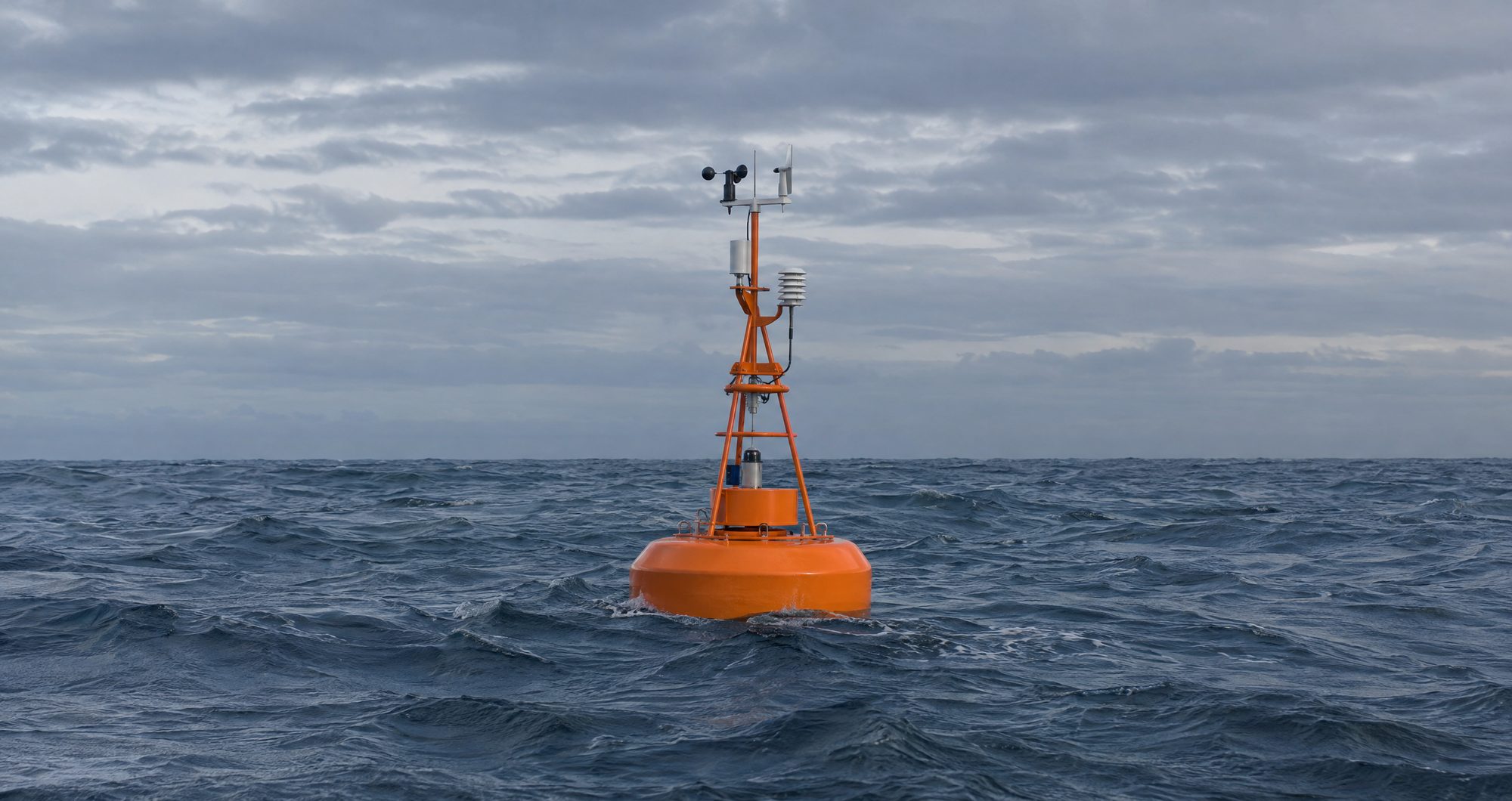

Türkiye and Australia have called for international action to protect the systems used to observe the Earth’s climate, alongside a warning that gaps in ocean monitoring could weaken the tracking and prediction of El Niño.
The call was announced at a high-level event at the COP31 climate conference in Antalya on 10 November. It seeks stronger support for the Global Climate Observing System, an international framework that brings together observations of the atmosphere, oceans, ice and land.
At the event, a draft declaration was handed to a representative of the COP31 presidency to be forwarded to the conference president for signature. Governments and organisations were invited to endorse it.
The World Meteorological Organisation said fragile funding and gaps in coverage were putting long-term records at risk. Its secretary-general, Celeste Saulo, told the event that no moored buoys were operating near the equator across a large part of the western Pacific, a region important to the development of El Niño.
The warning does not mean that all observation in the Pacific has stopped. Satellites and other instruments remain part of a wider observing system. The concern is that missing measurements in a strategically important area can leave researchers and forecasters with a less complete picture.
Why the western Pacific matters
El Niño involves changes in the tropical Pacific Ocean and atmosphere that can influence weather around the world. Understanding how the ocean and atmosphere interact helps scientists monitor the development of the phenomenon and assess what may follow.
Moored instruments are fixed in position and can provide repeated measurements of conditions in the same place. These can include ocean temperatures and atmospheric conditions above the water. Having observations from both sides of the ocean surface helps researchers study how they change together.
Satellites provide broad coverage, but direct measurements also help scientists check satellite products and assess their accuracy. A gap in one type of instrument is therefore not necessarily filled simply because a different observing platform is available.
The western Pacific gap is not a sudden loss announced at the summit. The last near-equatorial mooring west of 165 degrees east was withdrawn in 2021. The latest appeal draws attention to the continuing implications of that gap as part of a wider discussion about keeping climate observations operating over the long term.
Calls for stable support
The Global Climate Observing System covers more than 50 essential climate variables. Together, they provide information for climate assessments and services as well as the long records needed to understand changes over time.
Saulo said the basic weather observation network agreed by countries was less than 40 per cent in place. Many least developed countries and small island developing states lack the resources to keep enough weather stations operating, according to the organisation.
The WMO estimated that the world already spends close to US$10 billion a year on climate observations. It said securing international coordination would cost about US$10 million annually, while protecting observations and closing critical gaps would require about US$500 million a year.
Those amounts are estimates of costs, not confirmed new funding. The call to action is an appeal for support; it is not itself a completed financing agreement or evidence that the missing instruments have been restored.
A draft high-priority action plan sets out three connected areas of work: protecting essential observing capabilities, closing gaps and safeguarding data, and sustaining international coordination. The first includes observations in the ocean and high mountains.
The plan also points to the Systematic Observations Financing Facility, which supports observation networks in countries with limited resources. Strengthening such networks can contribute information to forecasts beyond the country where a measurement is taken, because weather systems do not follow national borders.
Both the draft plan and a forthcoming status report on the climate observing system are open for public review. They are scheduled for publication in February 2027 and are intended to inform the international climate stocktake process.
The immediate issue is continuity: observations that are interrupted can leave gaps in records built over many years. The COP31 call asks governments and partners to address that risk, while the detailed plan and the financing needed to carry it forward remain matters for further work.







