
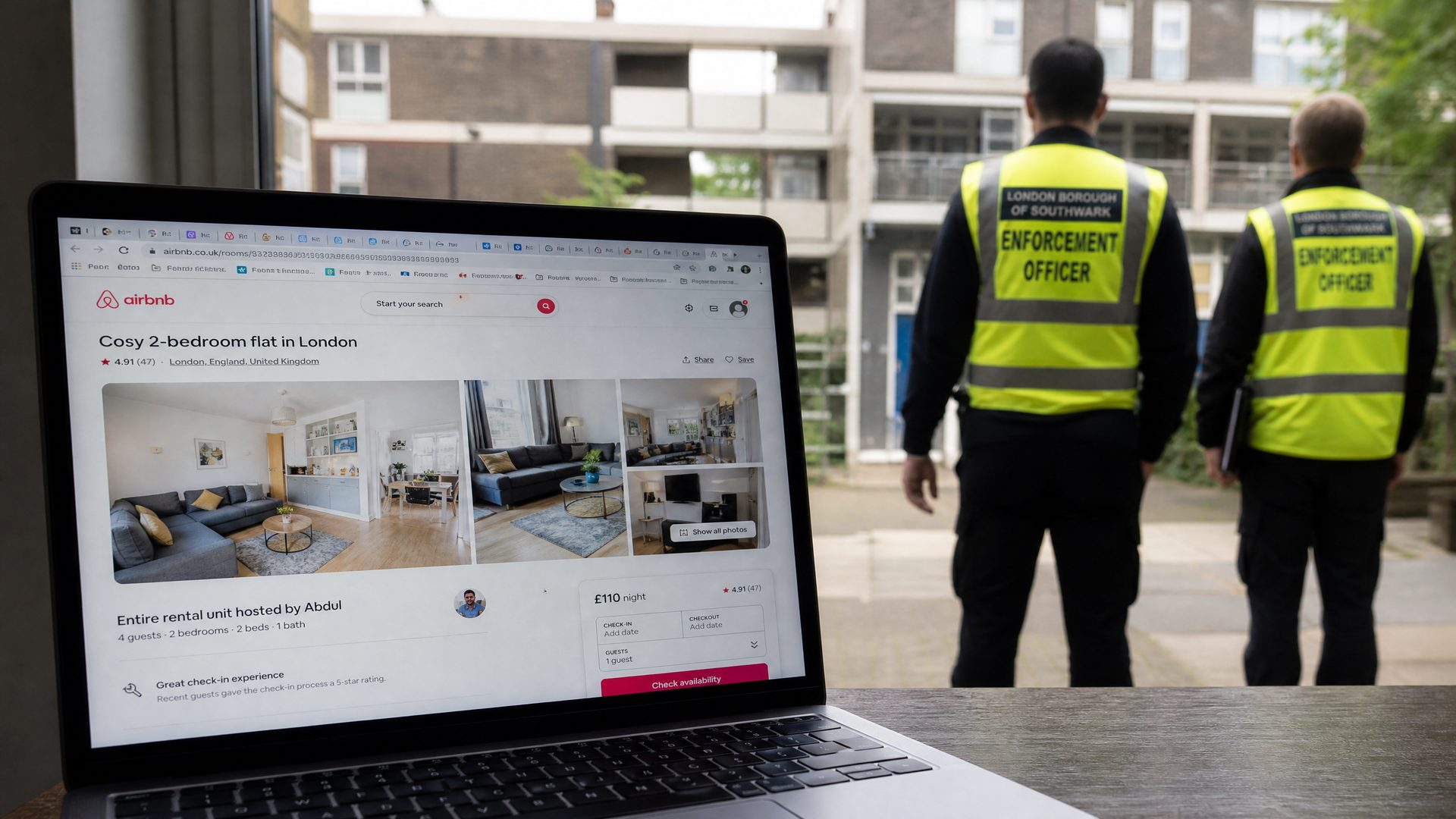

Data sharing between councils and short‑term rental platforms
Local authorities across England have started to cross‑check social housing records with listings on a major short‑term rental platform to identify suspected illegal subletting, in a scheme coordinated by the Cabinet Office fraud team. The initiative allows councils to match tenancy information with publicly visible adverts, helping housing officers prioritise investigations and recover homes thought to be wrongly let as holiday accommodation.
Scale of the problem flagged by early results
Early results from councils taking part in the pilot have already identified a significant number of suspected cases. Participating local authorities reported around 470 instances flagged for further action. Separately, a tenancy fraud forum estimates that nearly 6,000 social homes across England are suspected of being illegally sublet on short‑term rental platforms, and that at least 1,000 social homes advertised on one platform in London alone were likely unlawful over a 12‑month period.
How fraud is thought to operate
Investigations suggest a range of methods are being used to conceal unauthorised lets. Neighbours and leaseholders describe recurring lockboxes attached to communal doors, a steady stream of unfamiliar visitors arriving with suitcases, and adverts listed under different names or addresses to avoid detection. Fraudsters may include tenants who hold multiple properties, or people who are living overseas, and in some cases entire social housing properties are being marketed as short‑term accommodation.
Legal framework and potential penalties
Whether a tenant is permitted to sublet, even a single room, depends on the terms of their tenancy agreement and often requires the landlord or council’s written consent. Subletting an entire social housing property without permission is a criminal offence. Where councils find evidence of unlawful subletting, possible outcomes include eviction, fines and prosecution. In some cases, offenders could face custodial sentences of up to two years.
Costs to public services and motivations for enforcement
The government has provided an estimate of the public cost associated with tenancy fraud cases, suggesting that each case can cost taxpayers on average around £78,300. That figure reflects a range of expenses, including the provision of temporary accommodation for genuine applicants, legal costs to recover properties and lost rent during void periods. Councils say recovering homes for social housing lists is a priority, because each property returned can be reallocated to families in need.
Campaigners warn of limited impact on wider housing shortages
Some campaign groups and housing advocates welcome enforcement against clear cases of fraud, but caution that tackling illegal subletting alone will do little to address the acute shortage of affordable homes. They note that while removing unauthorised short‑term lets can return individual units to social use, the scale of unmet housing need means systemic measures to increase supply and reform allocations remain essential.
Balance of enforcement, privacy and platform responsibilities
The data sharing exercise raises questions about privacy and the scope of platform responsibilities. Councils stress the checks are targeted and focused on matching tenancy records with publicly available listing data, rather than broad surveillance of residents. Meanwhile, housing campaigners and local officials are urging platforms to take faster action to remove adverts that appear to be unlawful and to cooperate with councils by improving access to data for legitimate enforcement purposes.
What residents are experiencing on the ground
People living in mixed tenure developments report the local impacts of suspected short‑term letting. A long‑standing resident in a central London block described lockboxes appearing on doors, repeated arrival of people with suitcases, and concerns about antisocial behaviour. Such incidents, residents say, undermine community cohesion and add to a sense that homes meant for long‑term local residents are being turned into transient accommodation.
Next steps for councils and the wider sector
Councils involved in the pilot will continue matching tenancy records with listing data, and will pursue enforcement where evidence supports it. The Cabinet Office coordination aims to expand and streamline the process so more authorities can take part. For lasting impact, local leaders and campaigners argue that enforcement should sit alongside measures to increase genuinely affordable housing, improve tenancy management, and strengthen rules governing short‑term rental platforms.







