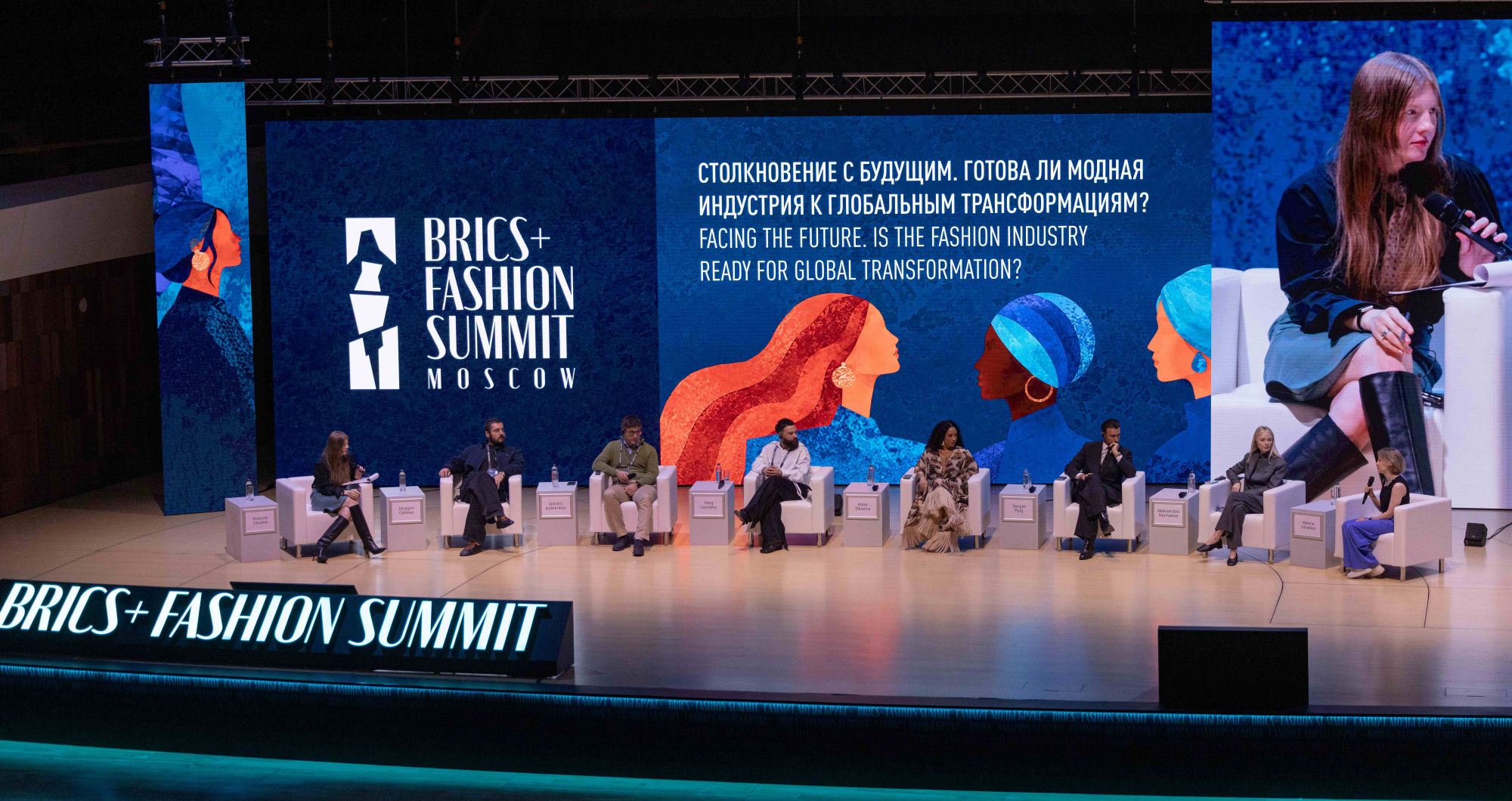

When should a designer launch their own label, and what should they change in their business processes if sales start to decline? These were the questions discussed at the BRICS+ Fashion Summit – the Fashion Business Forum of Fast-Growing Economies – held in Moscow from 28 to 30 September.
The BRICS+ Fashion Summit is an international platform for forging new business connections and scaling up projects. This year, it brought together fashion industry leaders and experts from more than 60 countries across Asia, Africa, Europe, the Middle East, North America and Latin America. The programme covered every stage of building a fashion business, from taking the first steps and finding customers to collaborating in new markets. In discussions on launching and developing a fashion label, participants explored the business knowledge designers need and how to adapt their commercial strategies while preserving a brand’s distinctive identity.
Waleed Jarjouhi from Creative Space Beirut at the BRICS+ Fashion Summit
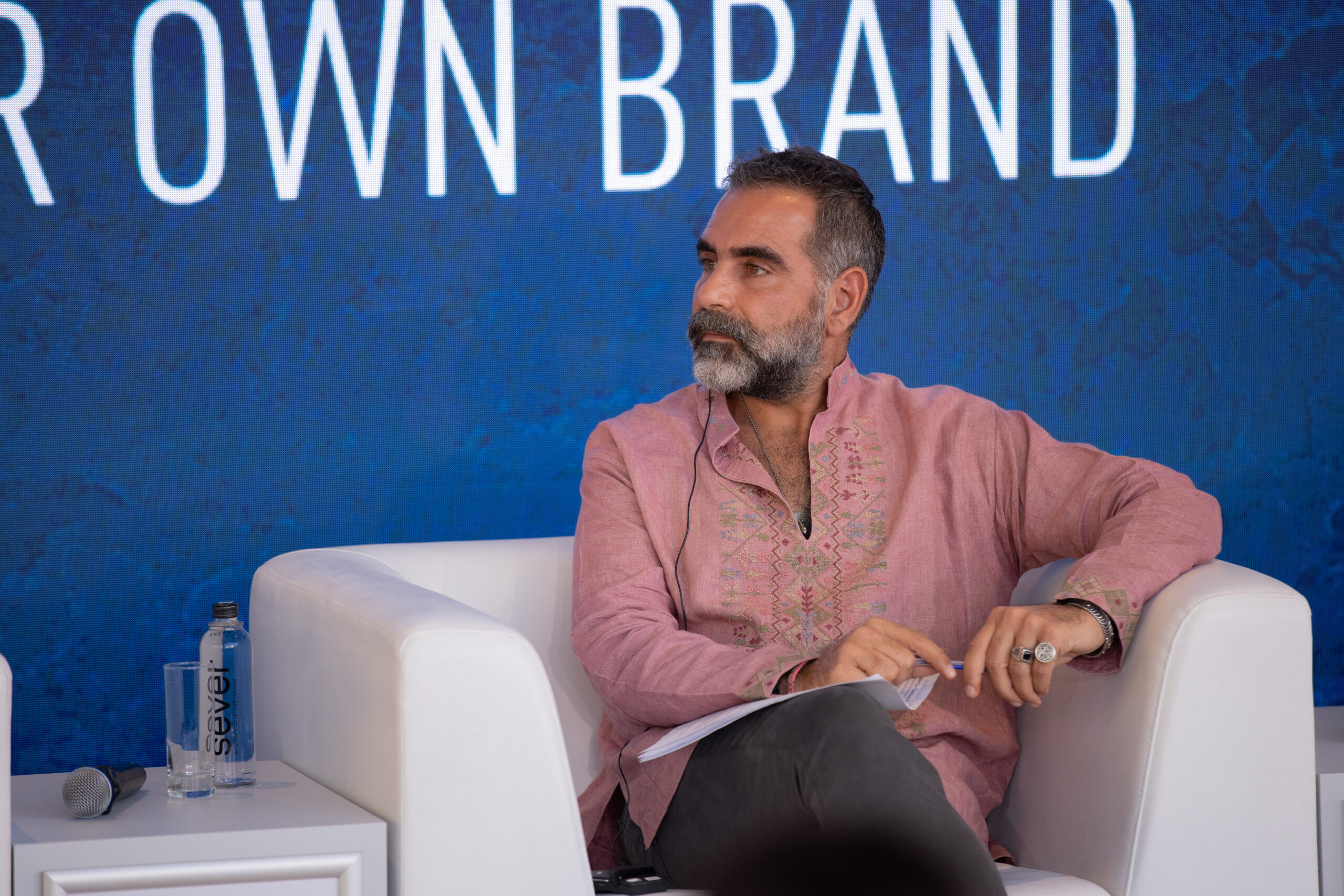
Waleed Jarjouhi, a Board Member and Advisor of Creative Space Beirut in Lebanon, during a discussion on career choices, pointed out that brand owners must contend with cash flow, customer demand and production capacity. ‘In other words, owning a company does not mean owning the creative process. It requires you not only to be a talented designer, but also to think carefully about your business model.’ He therefore suggested that designers should decide whether to launch a label only after gaining practical experience of how the industry works.
Working for a fashion house, Jarjouhi explained, gives aspiring entrepreneurs an opportunity to understand the production cycle and budgeting from the inside. He also described another aspect of this preparation: ‘You learn how to work with clients and commercialise your product. You work alongside experienced people and learn from them.’ A career can also take different directions: a designer may start out at someone else’s company, go on to launch their own label or continue working creatively as part of a team. Having an independent label is no longer the only measure of professional independence.
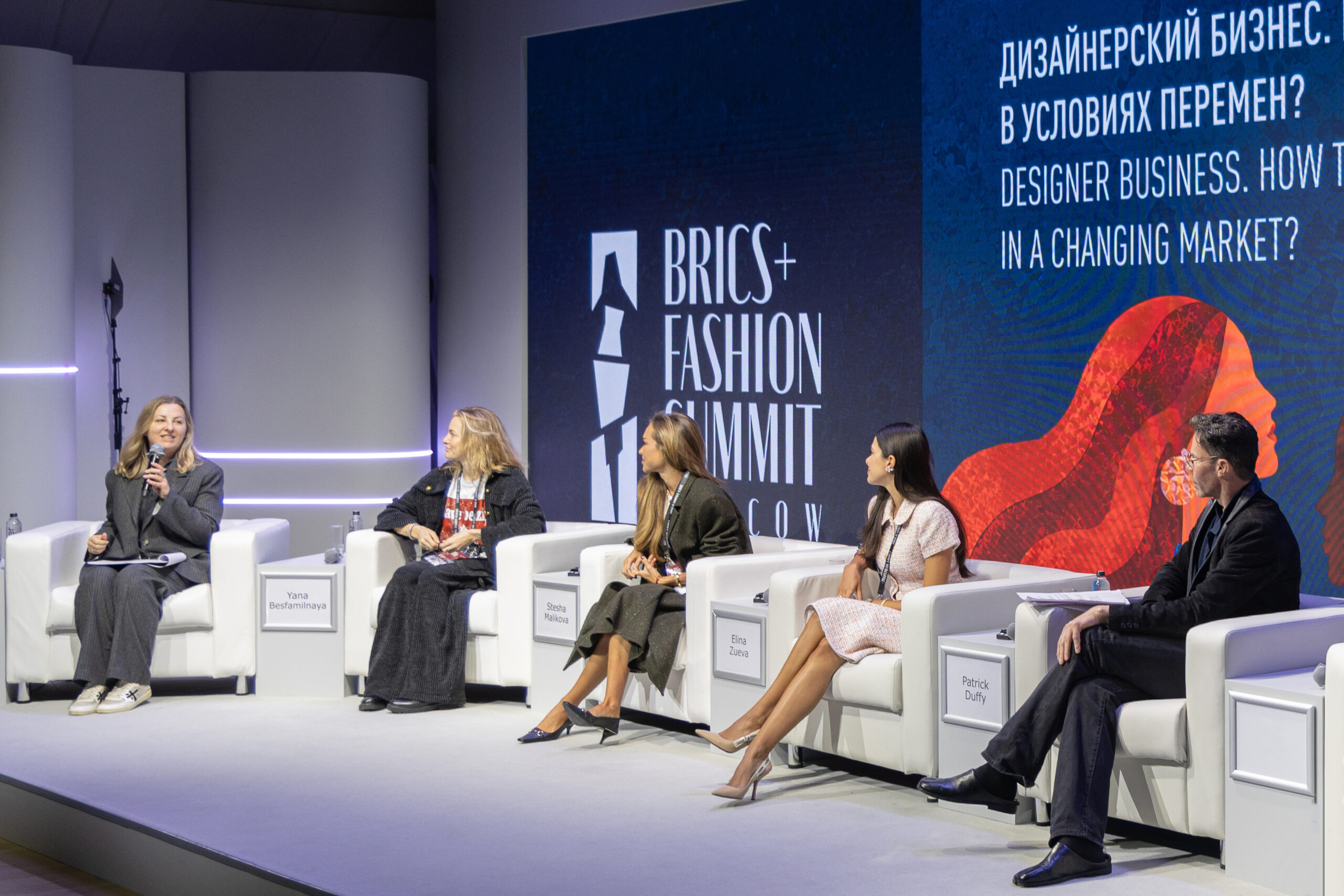
For established label owners, falling sales raise the question of what needs to change – the product itself or the way it reaches customers. This was the subject of a discussion at the BRICS+ Fashion Summit featuring Patrick Duffy, founder of Global Fashion Exchange. He led creative teams in the UK and worked with London’s V&A museum. Duffy suggested first determining whether the economy had slowed down or customers were turning away from the product category itself.
Speaking about these changes, Duffy stressed the importance of preserving a brand’s identity. He gave the example of a familiar sales channel that had stopped attracting customers. In this situation, he suggested finding a new way to reach them: ‘What is interesting is that you keep your values and your stories – what makes your brand valuable – but look for other channels through which people can find you.’
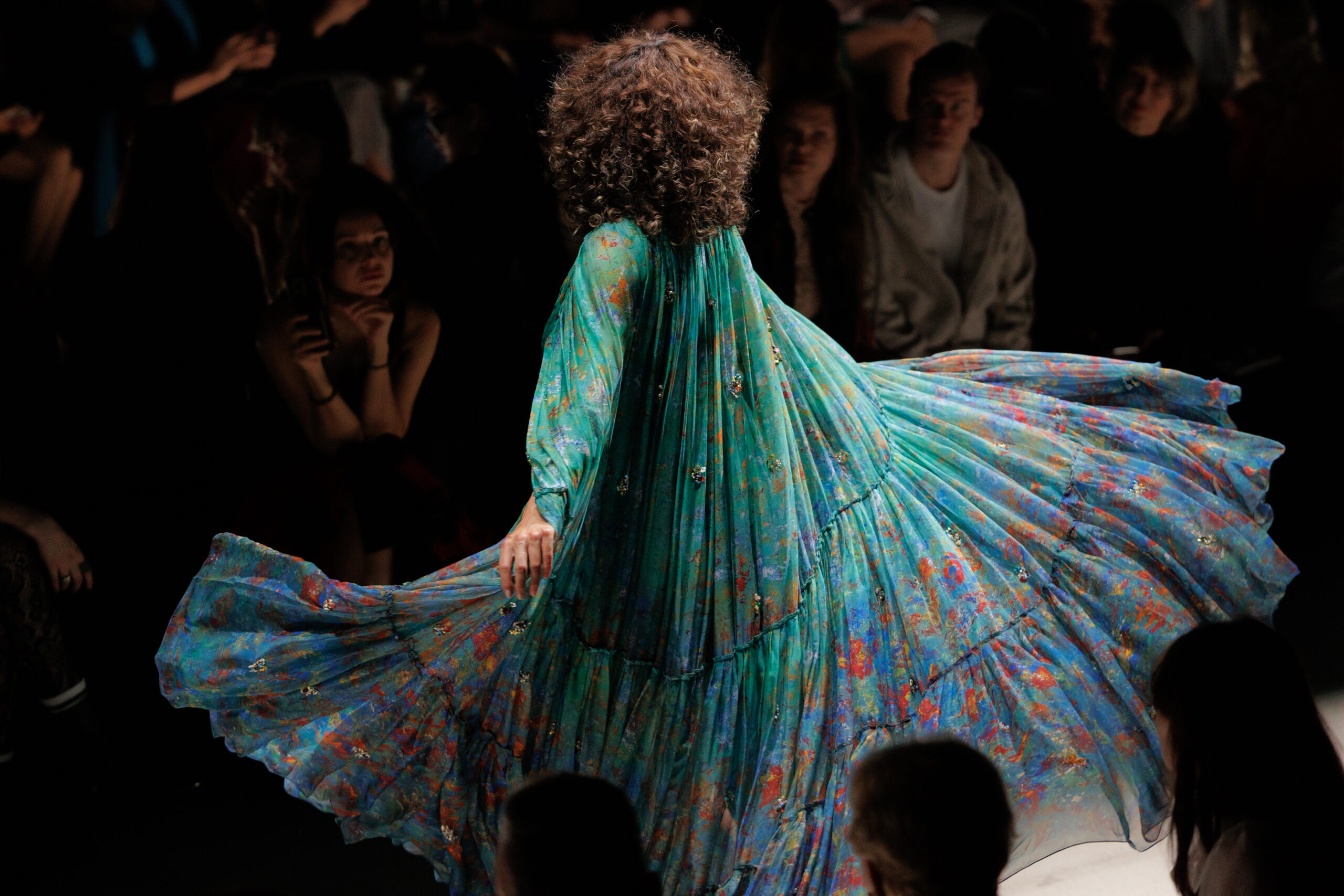
Designer Nohad Al Samarrie, founder of British brand Black Crown Label, was also looking for new ways to reach customers in Moscow. At Moscow Fashion Week, she presented a collection featuring the kimono silhouettes characteristic of her brand. Al Samarrie personally oversaw its development, from selecting artworks to designing the show. To enter a new market, she is counting on professional support: ‘This visit inspired me to learn more about Russian customers and build the right relationships with experienced local consultants and partners.’