
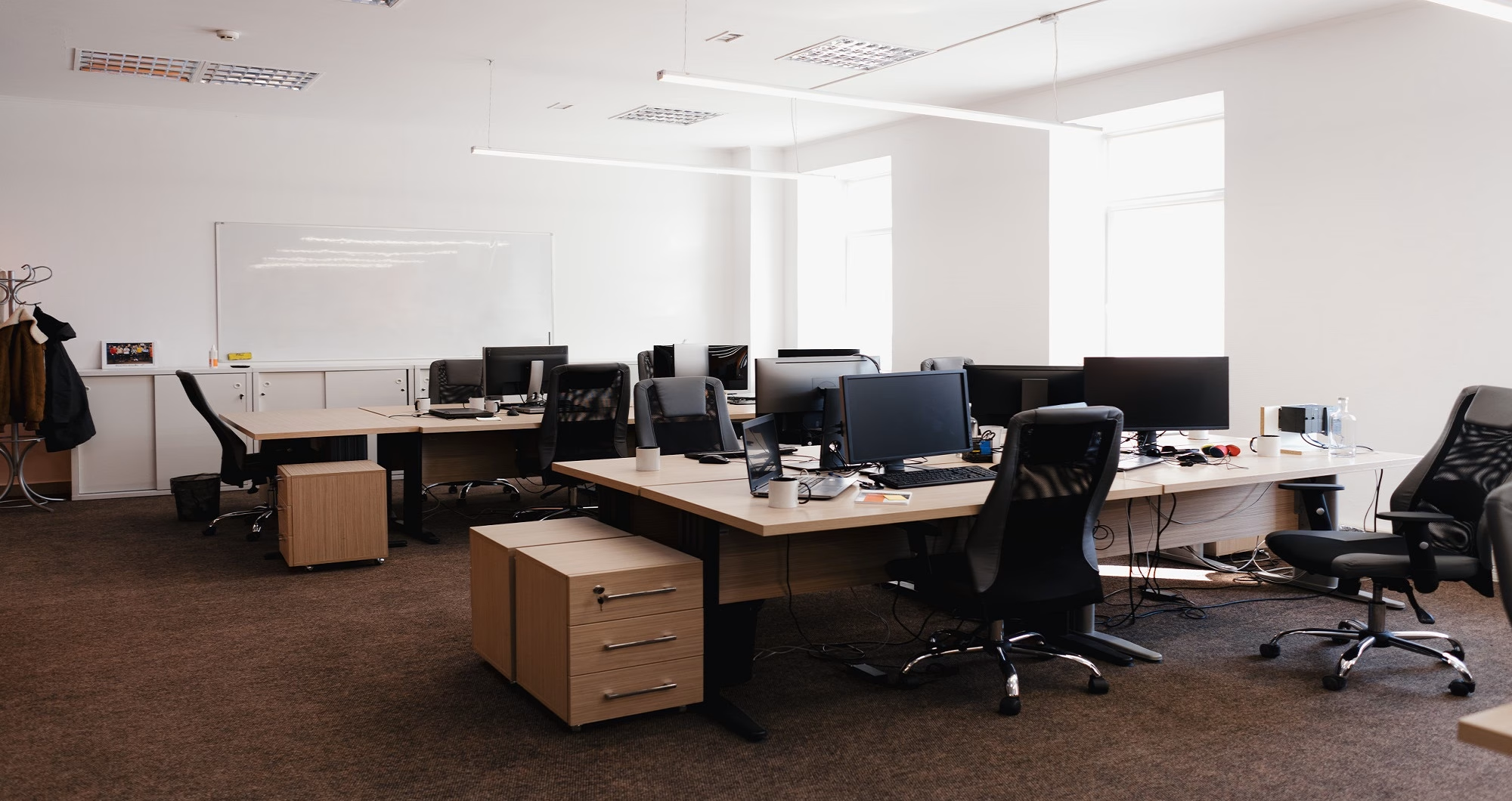

With the modern workspace becoming ever more focused on individual comfort, even the most forward-thinking organisations are discovering the necessity of respecting a work-life balance that doesn’t compromise productivity. And for this rising demand for not just comfortable but optimised and personalised working experiences, the concept of “ergonomics” has evolved dramatically in the past few years. This is especially true about workstation design; the old model of simply adjusting the height of a desk wasn’t cutting it anymore. The zero gravity workstation now reigns, unlike its more primitive predecessors, which were trying to accomplish the primary postural task of angling the body into a more, well, upright position. These advanced workstations are radically simple.
Why traditional desks are falling behind
Most conventional office desks and chairs are designed without full consideration of the biomechanics of the human body. In other words, they are not built with the human form in mind.
As a result, when humans occupy these structures for long hours, they tend to experience all sorts of strains and stresses: neck strain, lumbar discomfort, and circulation issues, for starters. These outdated setups can reduce overall well-being and diminish concentration, and they are the most common range of structures found in offices today.
Enhancing productivity through posture engineering
Mental clarity and stamina are directly tied to posture. When the body is in alignment, breaths can deepen, the mind can stay as alert as it can be, and energy can remain at a higher plateau for the kind of work that begs more than a modicum of focus for extended stretches of time.
A zero gravity workstation can uphold the neck, back, and legs simultaneously in a way that even the best traditional chair cannot, for these are not the kinds of postures that are allowed or needed by the human body if any ergonomic reality is to be taken seriously.
And these postures are not only conducive to being able to stand or sit with less pain and more ease for the kinds of tasks that ask us to use our hands, heads, and hearts for long periods.
Creating a culture of wellness in the workplace
Companies that want to keep their best employees and ensure that those people stay for a long time should move in the direction of making their offices wellness-centric. Simply put, the health of employees ramps up to being as important as meeting project deadlines or revenue goals.
To that end, organisations have implemented something called the zero gravity workstation, with which a person can work while floating (sort of) in space. Using the example of this wellness instrument working in a position closer to horizontal than vertical allows the body to work as it was meant to work, without excessive strain on the spine or other parts of the musculoskeletal system.
A sustainable shift toward long-term comfort
Today’s workforce is more aware than ever of the delicate balancing act we must perform to ensure that both our environment and our health remain intact. Every day, professionals make decisions that affect these two spheres, and often they feel a fair amount of pressure (sometimes self-inflicted, sometimes from corporate headquarters) to prioritise both.
Day-to-day, it can feel like a juggling act, which is why we brought up the zero gravity workstation. On the surface, it seems like a cool place to work, and semi-float while you’re working, but underneath, there’s some good science that suggests it can help you keep your health and performance profile intact.
Integrating technology with human-centred design
The ideal ergonomic workstation mixes flexibility with comfort to form a user-friendly platform. The best of these workstations allows the user to maintain personal preferences for posture and appearance across a continuum from sitting to standing.
The workstation allows for height adjustment, so a seated user can maintain a healthy spinal curve while being able to hunch over if and when the task requires it. An intelligent user automatically reverts to good posture when not making use of any equipment.
Whether used in a corporate environment, a home office, or a creative studio, the workstation becomes an extension of its user—ideal for a wide range of body types and work styles.
This zero gravity workstation collection presents advanced ergonomic setups intended to cut down on strain and boost comfort by positioning users in a reclined, weightless state. With streamlined looks, component adjustability, and full-body support, these workstations promise to better posture, boost circulation, and raise productivity—ideal for desktop-bound pros who are pursuing a healthier, more engrossing work experience.
Recommendation
For individuals in pursuit of expertly crafted zero gravity workstation setups, Suncharm offers a line of world-class ergonomic solutions that prioritise user health and satisfaction. Our line of products is designed with a strong focus on high-end design and precision functionality. Most importantly, Suncharm executes a thoughtful engineering process that yields workstations modern professionals can use with comfort and efficiency. If you care about long-term well-being and want a workstation that won’t leave your spine aching, Suncharm might have just the solution.







