


It’s easy to think of leadership as quick decisions, bold speeches, and major business successes. But Donato Tramuto’s journey has followed a different path—one guided by compassion, resilience, and a commitment to deep listening. His influence isn’t limited to the United States; his work has also reached communities in the United Kingdom, where healthcare equity and compassionate leadership are critical issues.
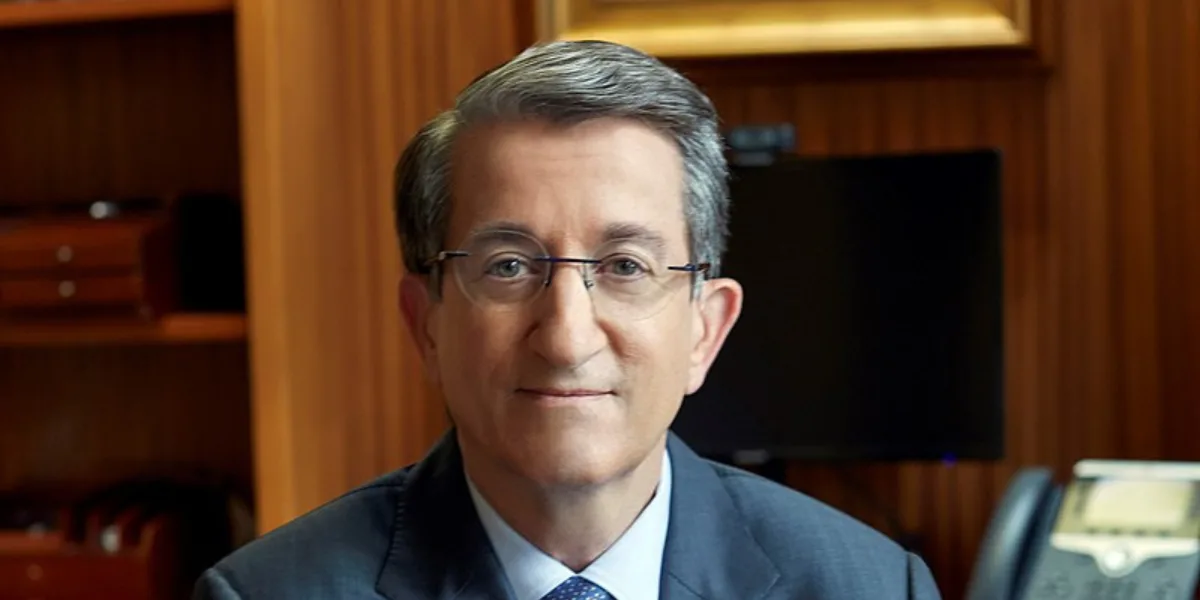
“I never thought leadership was about being the loudest in the room,” Donato says. “I’ve found that the best leaders are the best listeners.”
This belief has not only shaped his work across business, philanthropy, and public health but has also resonated internationally, inspiring leaders in the UK to prioritise empathy and community-focused strategies. Tramuto’s philosophy is redefining what modern leadership can—and perhaps should—be, on both sides of the Atlantic.
A Beginning Built on Challenge
Donato was born with significant hearing loss. It’s something that could have held him back. Instead, it became a driving force behind how he sees the world.
“I learned early on that when you can’t hear everything, you pay closer attention,” he says. “You start to see what others miss.”
That sense of observation, of watching people carefully and with empathy, shaped his path. It’s what led him into social work. And eventually, it led him into healthcare leadership.
His goal? Use business to help people. Make systems more human. And make leadership more compassionate.
Turning Loss Into Purpose
Donato’s work took a deeply personal turn in 2001. He lost close friends—including a young child—on United Flight 175 during the 9/11 attacks. He had planned to be on that same flight, but a last-minute dental issue changed everything.
“I’ve lived every day since knowing I was given a second chance,” he says.
That tragedy led to the founding of the TramutoPorter Foundation. The foundation started with a mission to expand healthcare and education access, particularly for young people. Over time, it’s grown into something larger—supporting causes from mental health to leadership development.
For Donato, the foundation is more than a nonprofit. It’s a reminder.
“It’s a way to honor lives lost by lifting others up,” he says.
From CEO to Advocate
Donato became CEO of Tivity Health in 2015. The company, known for health and wellness programs like SilverSneakers, was going through big changes. Donato helped guide it with a clear focus: make health more accessible, especially for older adults.
One of his major efforts was shifting the company’s strategy to address what are called social determinants of health—things like loneliness, access to nutritious food, or transportation barriers.
“We realised that just offering fitness programs wasn’t enough,” he says. “People needed more support. Real health goes beyond the doctor’s office.”
He pushed for partnerships with grocery chains, community centres, and tech companies. The idea was simple: connect health services with everyday life.
Compassion as a Business Strategy
Throughout his career, Donato has promoted what he calls “compassionate leadership.” It’s a way of leading that prioritises empathy, active listening, and emotional intelligence.
“People often think kindness and business don’t mix,” he says. “But when people feel valued, they show up differently. They create. They lead. They grow.”
This belief shaped his approach to building teams, too. He encouraged open feedback, respected boundaries, and tried to see challenges through the eyes of others.
It wasn’t just about being nice. It was strategic.
“There’s a bottom line to compassion,” he says. “Retention goes up. Trust goes up. Innovation happens. Because people feel safe.”
Tackling the Hidden Epidemic: Loneliness
One issue that has stuck with Donato is social isolation—especially among older adults. Through both business and philanthropy, he’s become a vocal advocate for tackling loneliness as a public health issue.
“Loneliness increases the risk of early death as much as smoking,” he says. “But we don’t talk about it enough.”
He’s helped launch public service campaigns, funded community-building programs, and used platforms like the TramutoPorter Foundation to bring attention to the problem.
He sees connection as a kind of medicine. And he believes that fighting loneliness should be part of any modern healthcare system.
Mentoring the Next Generation
Today, Donato spends much of his time mentoring younger leaders. He wants to help create a generation of professionals who lead with empathy—not ego.
“Leadership isn’t about control,” he says. “It’s about trust. About helping others grow and creating space for new ideas.”
He often speaks at universities and leadership forums, encouraging students to blend purpose with business.
“Your title doesn’t matter,” he tells them. “Your impact does.”
He also emphasises the importance of failure—and learning from it.
“I’ve made mistakes. Plenty,” he says. “But mistakes are classrooms. That’s where the best leadership lessons are.”
Writing With Purpose
Donato is also an author. His first book, Life’s Bulldozer Moments, shares stories of adversity and growth. His second, The Double Bottom Line, dives deeper into compassionate leadership, showing how empathy and results can coexist.
He says writing helped him reflect.
“We rush through life so fast,” he says. “Writing forces you to pause. To think. And sometimes, that’s where clarity happens.”
Donato Tramuto’s story isn’t about one big achievement. It’s about showing up, every day, for people who need it. It’s about listening, adapting, and leading with heart.
He’s built companies, launched foundations, written books, and spoken to crowds. But his real message is simple:
“Change doesn’t start with noise,” he says. “It starts with listening.”
In a world driven by speed, profits, and headlines, Donato’s approach is quiet—but powerful. And maybe, just maybe, it’s the kind of leadership we need more of right now.







