
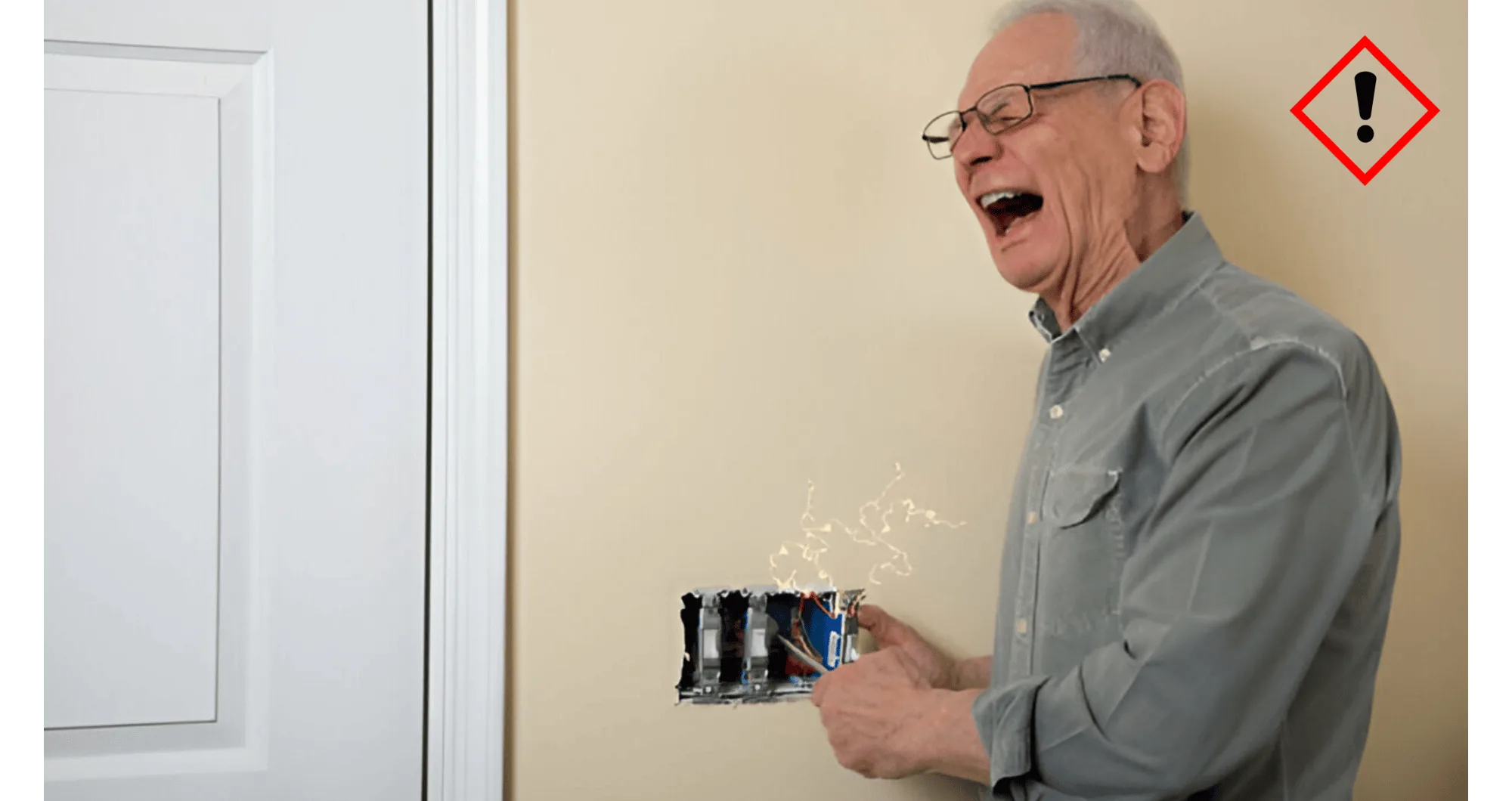

In today’s digital world, it’s easy to feel like a DIY expert. A few clicks on YouTube can show you how to fix a leaky tap, install new shelves, or even repaint your living room. While it’s fun to give your home a fresh look and get inspired by DIY projects, there’s one area where your enthusiasm should stop, electrical work.
What might seem like a simple task, replacing a light switch, fixing a socket, or rewiring a room, can quickly turn dangerous. DIY electrical work is far more complex than it appears in videos, and one small mistake can lead to serious injury, electrical shocks, or even electrical fires.
That’s why it’s always safer to rely on professional help. Choosing trusted electrical services ensures the job is done correctly, and keeps you, your home, and your loved ones safe.
The Real Dangers of DIY Electrical Work
When it comes to electricity, a simple mistake can have serious consequences. DIY electrical work may seem like a way to save time or money, but the risks far outweigh the rewards. Here’s a closer look at the real dangers that come with handling electrical tasks without proper training:
Risk of Electrocution
One of the most immediate dangers is the risk of electrocution. Even a low-voltage shock can cause burns, muscle spasms, or nerve damage. In serious cases, it can lead to unconsciousness or death. Many people underestimate the power running through a home’s wiring, but electricity doesn’t forgive errors.
Electrical Fires
Faulty DIY repairs are one of the top causes of electrical fires in residential homes. Loose connections, incorrect wire sizing, or exposed wires can overheat and ignite. These fires often begin behind walls or in attics, spreading silently until it’s too late to stop them.
Invisible, Long-Term Hazards
Not all dangers show up immediately. A poorly done electrical installation might seem to work fine at first, but hidden problems can develop over time. Arcing, overheating, or gradual wire damage can build up and eventually lead to a disaster months or years down the line.
Increased Repair Costs Later
While many turn to DIY with the goal of saving money, it often ends up costing more. Fixing an improperly done electrical repair can be more expensive than doing it right the first time. Electricians may need to tear into walls or rewire large sections to correct hidden faults.
No Insurance Coverage
If something goes wrong, your home insurance might not help. Many policies won’t cover damage caused by unlicensed or unapproved electrical work. This includes fires, property damage, and even injuries. By contrast, work done by licensed electricians is often backed by guarantees and covered under insurance.
Voiding Home Warranties and Violating Codes
Improper DIY work can break building codes and regulations, which are in place to protect homeowners. Violating them may void your home warranty or create legal problems when you try to sell the property. Worse, if a home inspector finds unapproved work, you might need to redo the entire electrical project before your sale can move forward.
Delays and Project Disasters
DIY projects often look easier than they are. Once you open up a wall or remove a fixture, you might uncover deeper issues—damaged electrical wires, outdated panels, or signs of previous unsafe work. Without proper knowledge, this can lead to panic, unsafe patch jobs, or abandoned repairs that leave your home vulnerable.
Common DIY Electrical Mistakes To Avoid
Not Turning Off the Power
This is one of the most dangerous mistakes. Many people forget to switch off the main breaker before starting. Some assume that turning off a wall switch is enough, but it’s not. Live wires can still shock you. This simple step can mean the difference between a safe repair and a trip to the hospital.
Incorrect Wire Connections
Wires must be connected correctly for electricity to flow safely. Mixing up the neutral and live wires or failing to secure them tightly can cause short circuits, flickering lights, or overheating. These issues may not show up right away but can lead to long-term damage in your electrical systems.
Using the Wrong Tools
General tools like kitchen knives or basic screwdrivers are not meant for electrical work. You need insulated tools designed for live circuits. Using the wrong tools increases the risk of injury or damaging sensitive components. Professional electricians carry special tools for a reason.
Skipping Grounding
Grounding protects your electrical system during surges by sending excess electricity into the earth. DIYers often ignore or improperly install grounding wires, which increases the chance of shocks and fires. Grounding isn’t just a guideline—it’s a must for safety.
Overloaded Outlets or Circuits
It might seem easy to just plug in a power strip when you need more sockets. But overloading an outlet draws more current than the circuit is designed for. This causes overheating and, over time, leads to overloaded circuits that can trip breakers—or worse, cause electrical fires.
No Knowledge of Wire Types
There are different wires for lighting, appliances, and high-power equipment. If you choose a wire that’s too thin for the current load, it may melt. Too thick, and it might not fit properly in fixtures. Not knowing which electrical wires to use is a mistake that can ruin an entire electrical project.
Poor Splice Work
Splicing is when you join two or more wires together. Many DIYers do this with tape alone or without proper connectors. Loose connections can arc (spark), causing overheating or fire. Splices must be secure and enclosed in proper junction boxes to be safe.
Ignoring Safety Codes
Every area has building codes and regulations that guide safe electrical work. DIYers usually aren’t aware of these rules and end up doing work that doesn’t pass inspection. Even something as simple as outlet height or wire colour has a reason behind it—and skipping the rules can make your work illegal or unsafe.
Covering Mistakes Behind Walls
Sometimes, after a poor repair, people just patch up the wall or ceiling and hope for the best. Hidden mistakes can stay unnoticed for months until they cause electrical issues like power loss, smoke, or even fire. Out of sight shouldn’t mean out of mind—especially with electricity.
Taking on More Than You Can Handle
What starts as a small repair can quickly turn complex. Replacing a switch may reveal old, damaged wiring. Installing a new light fixture may expose improper connections. Without training, it’s hard to know when you’re in over your head—and it’s easy to make small mistakes that grow into big problems later.
Why You Should Hire Professional Electrical Services
Electrical work is not the place to cut corners. Hiring professional electrical services ensures the job is done safely and correctly the first time. Licensed electricians know how to handle hidden dangers, fix electrical issues, and follow building codes and regulations to keep your home safe.
Trying to save money with DIY electrical work often leads to costly mistakes, electrical fires, or expensive repairs later.
So, while you can handle simple DIY tasks like painting or installing shelves, always leave electrical work to the professionals. It’s the safest choice for you and your home.
Safeguard Your Home From Electrical Hazard with Professional Electrical Services
When it comes to electrical work, safety and quality are key. Trying to handle complex tasks yourself can lead to serious risks and costly problems. Instead, trust experienced professionals who have the right training and tools to get the job done safely and up to code.
Look for electrical services near me and choose licensed electricians who prioritise your home’s safety and offer reliable solutions. Investing in professional electrical services means peace of mind, protecting your family and home for years to come.







