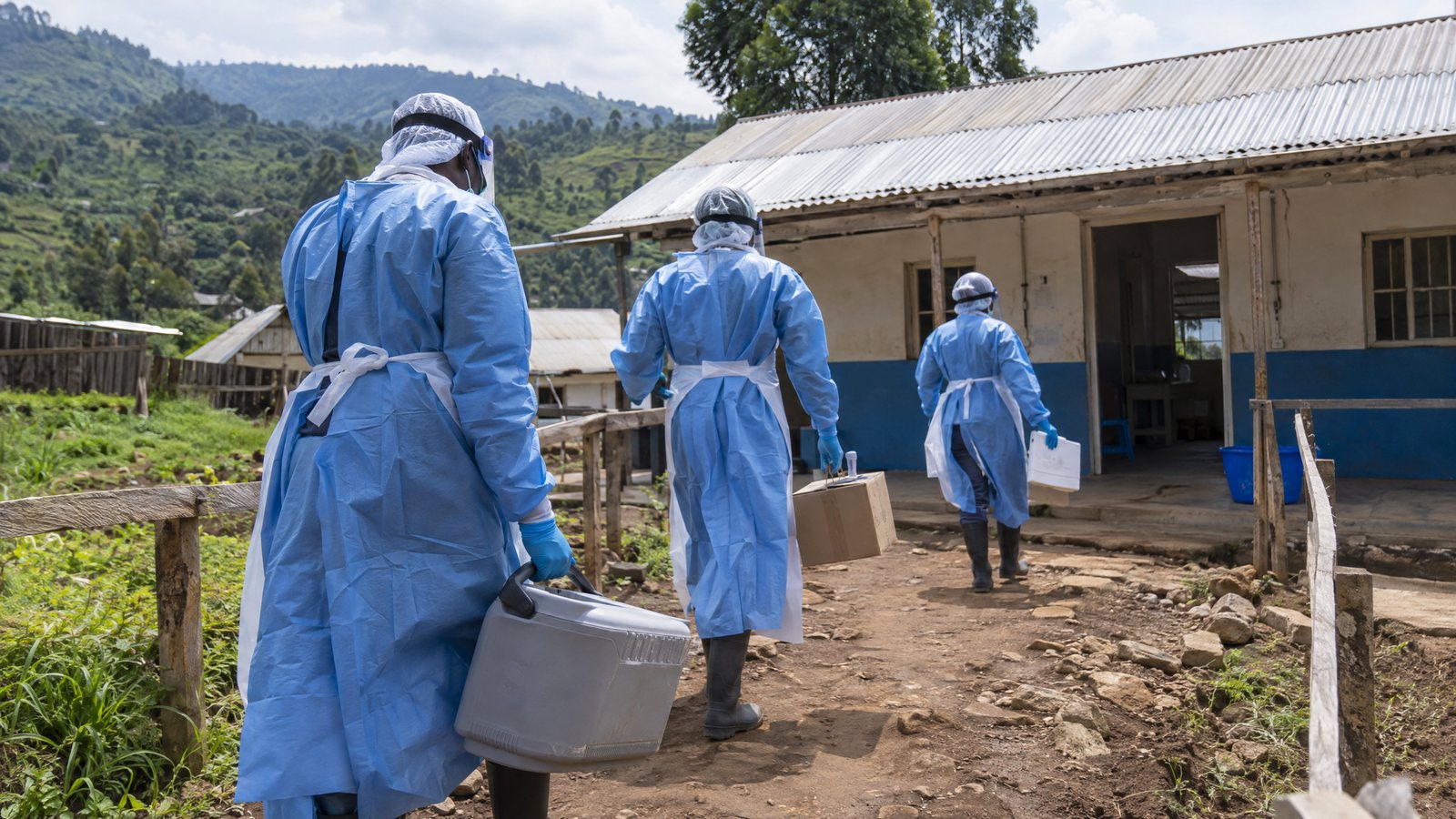

Ebola deaths in the Democratic Republic of Congo have been reported to pass 5,000, with the ministry’s latest figures putting the toll at 5,026 among 10,351 infections. The figures, current on Saturday, 31 October, describe a Bundibugyo-virus outbreak in which community transmission remains ongoing.
The outbreak is affecting eastern parts of the country, particularly Ituri and North Kivu. The ministry’s figures show that it has reached eight of the country’s 26 provinces. Of 67 affected health zones, 50 had active cases, indicating that the response is still dealing with current infections across much of the affected area.
The death toll marks a substantial threshold, but it remains a changing ministry total rather than a final count. The distinction matters because the available figures cover different dates and use different descriptions for infections and deaths. They should not be treated as a single, settled assessment of the outbreak’s eventual scale.
Different dates behind the totals
Earlier public-health figures, based on data available through 28 October, recorded 10,274 confirmed cases and 4,992 related deaths. Those figures were below the 5,000-death threshold and also described ongoing community transmission in eight provinces. The later ministry figures put the reported death total above that threshold.
The two sets of figures therefore provide snapshots with different cut-off dates. The earlier total explicitly described confirmed cases and related deaths; the later ministry total was expressed as infections and deaths. Preserving those terms avoids implying that every figure has been presented under an identical classification or reporting timetable.
Nor does the difference between the totals, by itself, establish exactly when each additional infection or death occurred. The evidence gives the dates covered by the figures, not a separate account of the timing of every case. The latest number is best understood as the ministry’s reported position at that point.
Transmission remains active
The geographical figures distinguish between places affected by the outbreak and places with active cases. The 67 health zones represent the affected total, while 50 were identified as having active cases. It would therefore be inaccurate to describe all 67 as having current cases, or to treat the wider affected area as free of transmission.
Similarly, the spread to eight provinces does not mean the outbreak has reached every province in the country. It establishes a broad geographical footprint while retaining the distinction between affected provinces and the national total of 26. Ituri and North Kivu remain the particularly identified eastern locations in the available information.
Officials and response workers described operational constraints involving contact tracing, patients presenting late and the capacity of health services. These are pressures on the response, but the available evidence does not establish how much each contributed to the reported death toll. No single explanation for the scale of mortality can be drawn from those descriptions.
Contact tracing, late presentation and health-service capacity are separate issues in the account of response conditions. Keeping them distinct avoids turning a description of operational difficulties into a claim that one barrier caused a particular number of deaths. The figures establish the reported scale; the attributed constraints describe the circumstances in which response work is taking place.
The central development is therefore both numerical and ongoing: the ministry’s reported deaths have passed 5,000, while active cases and community transmission continue. The latest totals do not describe a completed outbreak, and the different data cut-offs remain important when comparing the available counts.