
A plumbing emergency always seems to happen at the worst time possible; you may wake up to a flooded kitchen on a Sunday or a blocked toilet before work. When an out-of-the-blue plumbing emergency happens, you need to be able to act fast. So, what can you do before the plumber arrives to help out and calm things down? Knowing what to do can help cause less damage and help you save money.
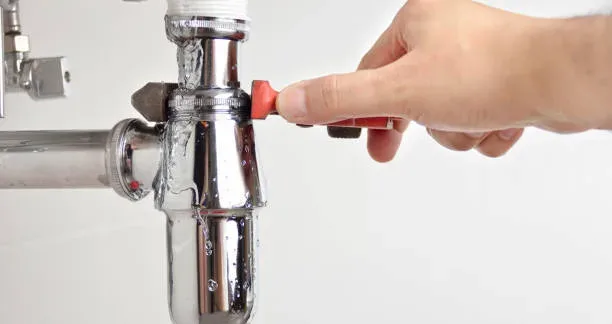
What qualifies as a plumbing emergency?
You may feel like it is an emergency as it happens at the most inconvenient time but not all issues require immediate attention and can be dealt with later or on another day. Below are some issues that require an emergency plumber:
- Burst pipes – Water leaking out of burst pipes can cause a lot of damage very quickly.
- Overflowing toilets – Dirty water overflowing onto your bathroom floor is a health hazard and will ruin everything it soaks into.
- Sewage backups – Sewage backups are biohazards and can lead to serious problems.
- No water supply – Everyday activities such as washing, cooking, and drinking stop with no water supply.
- Gas leaks from boilers – Extremely dangerous and can lead to death so needs instant evacuation.
With a bit of common sense you can identify that a leaking tap is less of an emergency over a flooded ceiling from a burst pipe. One can be left for another day while the other needs a local emergency plumber.
Immediate steps you can take
There are many steps that you can carry out yourself to help stop the rot until the plumber arrives. These simple steps can help to protect your home by reducing the amount of damage.
1. Shut off the water supply
Most plumbing emergencies involve water, so by turning the water off it will stop the water flow to your house and cause less damage to your home.
- Locate your stopcock – Usually under the sink or in the utility room.
- Turn clockwise to shut off – Like tightening a lid.
- For toilets or appliances – Use the isolation valve near the fixture.
Tip: Find the stopcock in your home so you know where it is right away if needed in an emergency. You would be surprised by the amount of homeowners that don’t.
2. Turn off electricity if necessary
Water and electricity is a bad mix and can be dangerous.
- If water is near sockets or appliances, switch off the mains.
- Don’t touch wet electrical items. It’s safer to wait for a professional.
Is it worth risking an electric shock to save a kettle?
3. Drain excess water
Once you have turned the water off you can also drain any remaining water out of the system.
- Open taps to let water run out.
- Flush toilets once.
- Use buckets or towels to collect pooling water.
By cutting the water off fast and cleaning up any water will stop it soaking into your floorboards, furniture etc and causing damage.
4. Contain the leak or blockage
You may not have the skills and know-how of a professional plumber but you can make an effort to control it.
- Use buckets to catch drips from ceilings or pipes, don’t let it spread across your home.
- Wrap burst areas in towels, tape or any blocking type material to help slow down the water flow.
- For blockages, as tempting as it is, try to avoid forcing the blockage with more water as it will only make the issue worse.
Example: A family in Norwich didn’t have many items in their home but managed to temporarily stop a pipe leak by using towels and cling film. This stopped the water soaking into the carpet and a local company called Pluming Norwich arrived within 40 minutes to fix the issue.
5. Ventilate the area
Humidity will lead to mould, if water has soaked into your floorboards, carpets and furniture you need to open windows to get as much as flow as possible. You can also use fans if safe to do so. This is particularly important in bathrooms and rooms with wooden floors.
What information should you have ready?
Having the right information ready for when the plumber arrives allows him to help you better and act fast.
- Address and access details – Let them know about the access to your property and also to key areas such as the stopcock and problem area.
- Type of emergency – Try to be as clear as possible about the issue, is it a burst pipe, no hot water, blocked drain?
- How long has the issue been ongoing – Minutes? Hours? Days?
- Photos or videos – If you can send any photos or videos via email or Whatsapp it helps with the diagnosis.
Time saved for the plumber not having to do inspecting means faster repairs.
What not to do
A plumbing leak can make you panic but you have to try to remain calm and carry out the above steps to help contain the problem.
- Don’t pour chemicals down blocked drains – Adding fuel to the fire will not make the problem go away and it could even make it worse.
- Don’t ignore gas smells – Any smell of gas is very dangerous, you must open windows, leave the property, and call emergency services.
- Don’t attempt complex repairs – Try to perform DIY plumbing without the right skills and experience will often lead to bigger problems and larger bills.
How to find a trustworthy emergency plumber
Not all plumbers offer a 24/7 emergency service so you first need to find one that does and then work out who is reliable and the right plumber for the job.
Here’s how to choose:
- Look for accreditation – Check Gas Safe (for boilers) or CIPHE membership.
- Check reviews – Look for a plumber with good reviews across multiple platforms. Read the reviews and look for any positive reviews about emergency call out.
- Ask for ID – A professional plumber will show any necessary credentials on request.
- Avoid large upfront fees – Get an idea of pricing upfront, reputable companies offer transparent pricing.
Final thought
Emergency plumbing situations are stressful but by acting quickly and taking a few simple steps you will be able to contain the problem and help the plumber before they arrive. Knowing these simple steps and calling the right professional can make the difference between a minor repair and a major disaster.
Feature Image by Mowbray Court Hotel London from Pixabay