
A decade brought into the gallery
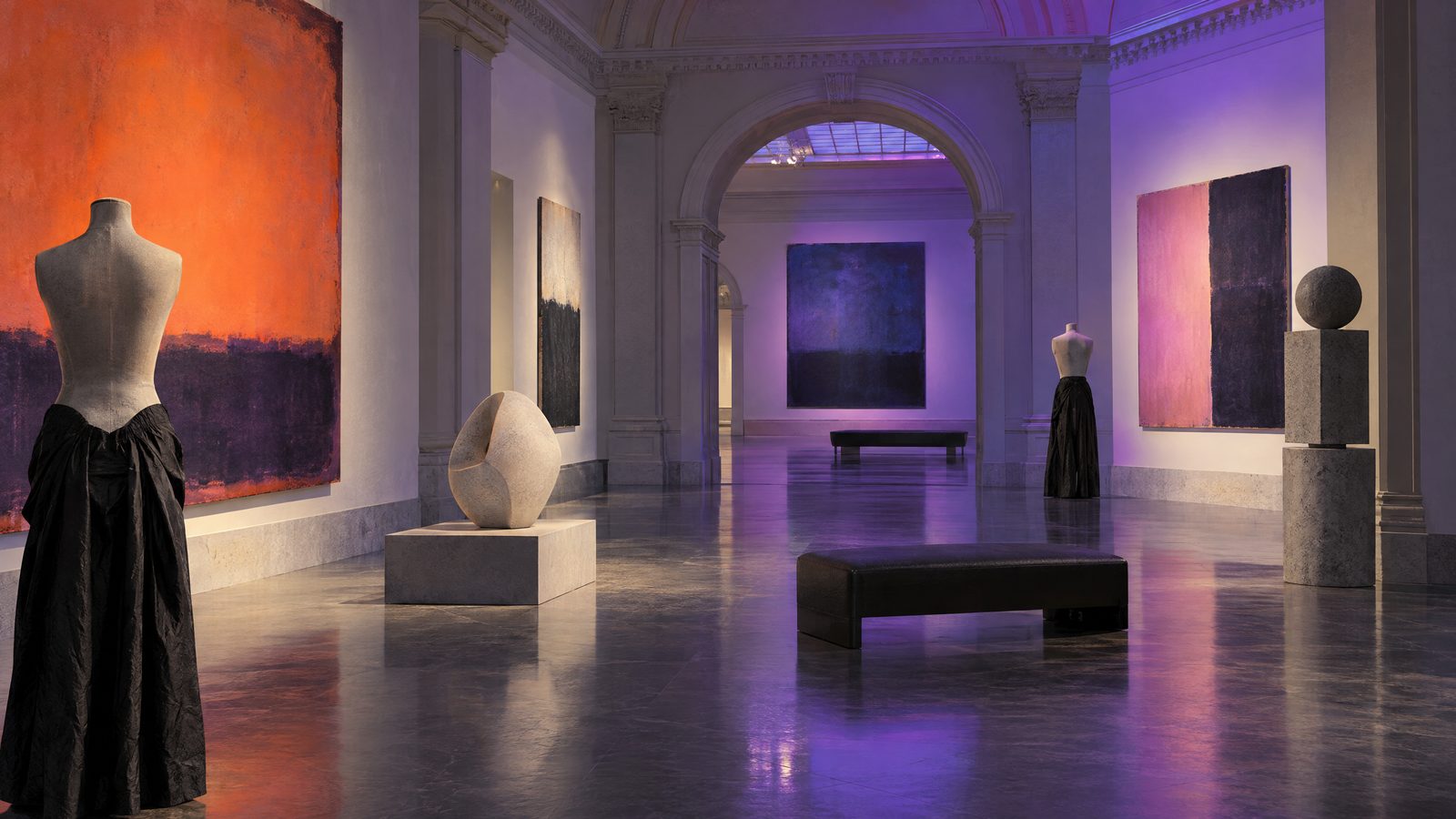
Tate Britain’s The 90s: Art and Fashion opened on 8 October, bringing together work by nearly 70 artists, photographers and designers in an exhibition running until 14 February 2027. More than 100 photographs, paintings, sculptures and garments trace a decade in which art, fashion, photography and popular culture repeatedly crossed paths.
Curated by Edward Enninful with Tate Britain’s contemporary British art team, the exhibition ranges from the Young British Artists to designers including Alexander McQueen. Its premise is that the period’s creative energy was not confined to one medium: printed magazines, club culture, runway design and gallery art all helped shape how Britain saw itself.
The opening rooms look at the DIY sensibility associated with photographers Corinne Day, Nigel Shafran and Juergen Teller, whose images appeared in influential fashion magazines. The exhibition connects this rough-edged visual language with the emergence of anti-fashion grunge. It also examines changing ideas of representation through the work of Roshini Kempadoo and Eileen Perrier, whose photography challenged narrow mainstream standards of beauty.
From club nights to conceptual art
Nightlife and subcultures form another strand. Mark Leckey’s 1999 film Fiorucci Made Me Hardcore sits within a wider account of club-going and dance music across Britain. Photographs document nights at Manchester’s Haçienda and London’s Bagley’s, while images by Dave Swindells, Peter J Walsh and Tony Davis record the growth of acid house. Normski, Eddie Otchere and Ewen Spencer turn to jungle, hip-hop and drum and bass; other photographers document queer club nights, raves and free parties.
The show places these scenes beside sharply different approaches to making art. It includes work associated with body horror and gothic imagery, including artists responding to decay, physical vulnerability and the continuing impact of the AIDS crisis. Elsewhere, Cerith Wyn Evans, Rachel Whiteread and Gary Hume represent a more pared-back visual language. Damien Hirst’s fabricated formaldehyde-filled sculptures are presented as a striking contrast to the period’s low-fi grunge aesthetics.
Fashion is not treated simply as an accessory to the art. The exhibition features Alexander McQueen’s dramatic designs and Hussein Chalayan’s clothing inspired by everyday objects, alongside photography by Nick Knight, David Sims and Craig McDean. Wolfgang Tillmans’s Concorde Grid 1997 brings a note of ambivalence to the decade’s confidence, reflecting optimism about technology alongside anxiety about the approaching millennium.
Whose Britain was being represented?
The exhibition also looks beyond the celebratory language of “Cool Britannia”. Steve McQueen’s first major film, Bear 1993, is shown alongside Chris Ofili’s Turner Prize-winning painting No Woman, No Cry, a tribute to Doreen and Stephen Lawrence. Video by Keith Piper considers sport and national identity. Tailoring by Ozwald Boateng, footage of Joe Casely-Hayford presentations and fashion photography by Koto Bolofo foreground Black British designers and creative work.
In its closing section, work by Yinka Shonibare and Maud Sulter draws on European art history and dandyism to question representation and diversity. Designs by Vivienne Westwood and John Galliano revisit historical styles and cultural references, bringing questions of class and national mythology into the exhibition’s final view of a country poised between past and future.
The exhibition is at Tate Britain on Millbank and is open daily from 10am to 6pm. Tate Members receive free entry; visitors aged 16 to 25 can access Tate exhibitions for £5 through Tate Collective. A paid audio guide is available, and the accompanying programme includes screenings of 1990s films and talks. The exhibition continues through 14 February 2027.