
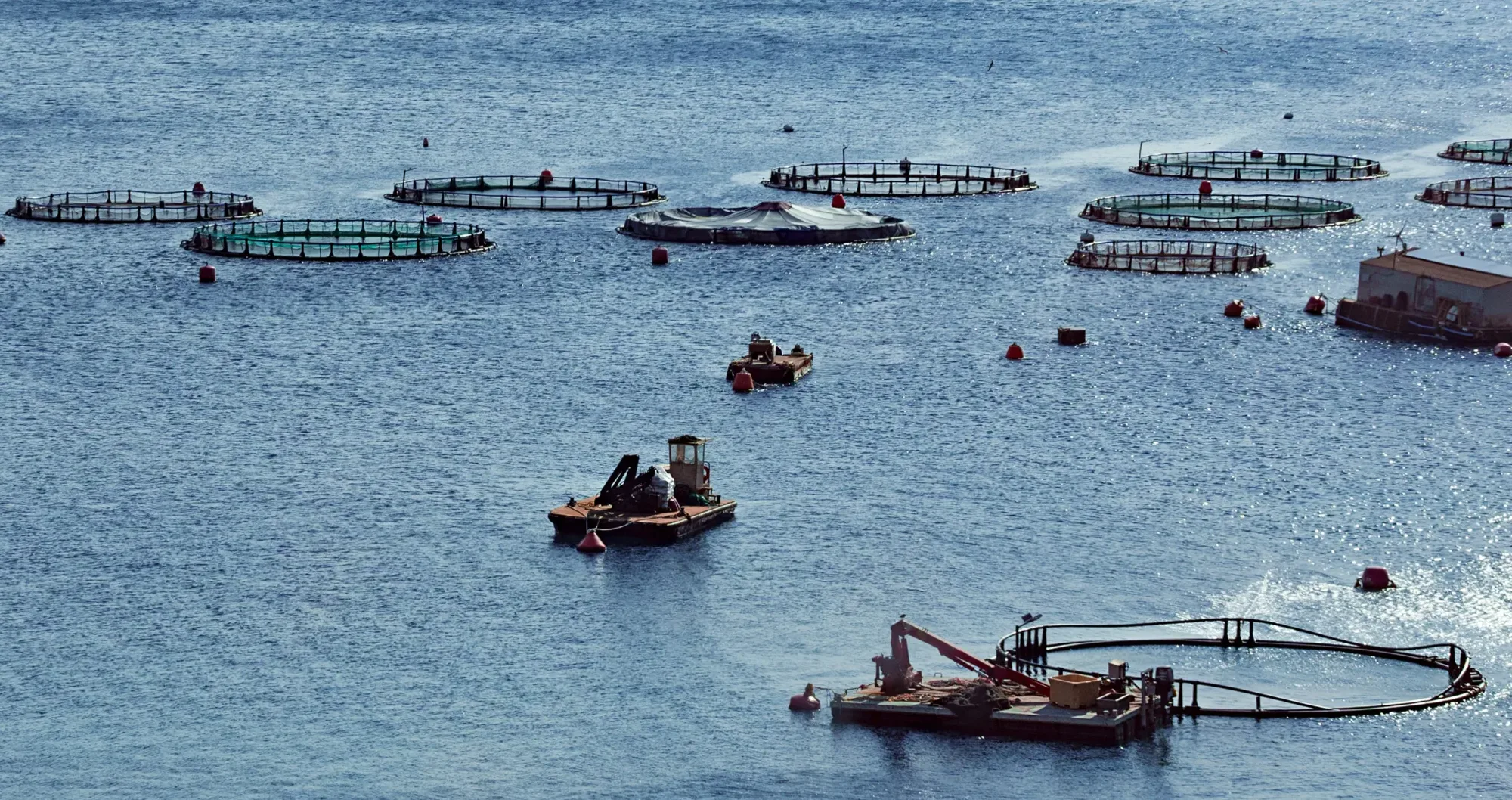

The seafood industry faces many challenges, particularly when it comes to sustainability and ethical practices. According to the Seafood Forecast, global demand for seafood will keep growing until 2050, and production will increase significantly to meet this demand. However, current conditions show that dwindling fish stocks and rising production costs present significant challenges.
As a result, seafood companies are cutting costs by exploiting cheap labor, selling products from questionable sources, and using outdated methods that fail to prevent forced labor and environmental harm (Seafood Source: 2024). The complex and opaque supply chain conceals these practices, contributing to illegal, unreported, and unregulated (IUU) fishing, overfishing, and modern slavery at sea (Greenpeace: 2023).
Addressing these intertwined issues requires comprehensive and sustainable solutions with concerted effort to support and transform the traceability and seafood sector.
As a global leader in sustainable supply chain management, KOLTIVA took the pride to collaborate with the Conservation Alliance for Sustainable Seafood Solutions (CASS). Through this collaboration, KOLTIVA enhances transparency, traceability, and sustainability in seafood sourcing, contributing to healthier oceans and resilient coastal communities.
”This membership offers a valuable opportunity to learn and collaborate with other organisations dedicated to sustainability goals,” said Sarah Harding, Head of Aquatic Resources KOLTIVA. “Through these collaborations, we can enhance and refine our solutions tailored to the seafood industry. While our current applications are predominantly focused on agriculture, we have made significant progress in aquaculture sectors such as seaweed and shrimp. However, there is still a need to refine our approaches further to address the unique challenges of seafood traceability. Access to the collective knowledge and resources of CASS can significantly aid in this development process.”
Conservation Alliance for Seafood Solutions (CASS) is a global community working to protect the ocean and the people who depend on it by promoting sustainable and responsible seafood production, sourcing, and consumption (Solution for Seafood: n.d.). Aligning with the SDG’s timeline, CASS sets a goal that by 2030, at least 75% of global seafood production will be environmentally sustainable or make verifiable improvements, and safeguards are in place to ensure social responsibility. Advancing the responsibility of the seafood supply chain, the Alliance’s membership body is an international community of organisations and subject area experts that work together to make connections, build capacity, as well as leverage tools, approaches, and experience, working toward the Alliance’s vision of a world with an abundance of seafood where workers, communities, and our ocean all thrive.
Since 2018, KOLTIVA has been actively engaged in seascapes, and this partnership underscores our steadfast commitment to promoting environmentally responsible practices within the seafood industry. Through the traceability platform, KoltiTrace MIS, KOLTIVA support this vision by assisting clients and their suppliers in determining the source of their seafood. We ensure that the seafood comes from responsibly managed fisheries and aquaculture operations. KOLTIVA’s suite of mobile applications, including KoltiTrace Business Mobile for transparency and traceability, Producer Mobile, and Input Distribution Mobile, collectively manage and monitor the entire supply chain, from production to retail. This platform plays a critical role in improving supplier management and empowering producers by providing real-time data and insights. With these tools, all products can be traced back to their source, promoting responsible sourcing and sustainable practices.
Additionally, KoltiTrace MIS supports QR code traceability. This feature allows consumers to access detailed information about the origin and journey of their seafood products, further enhancing transparency and trust in the supply chain. Overall, our comprehensive suite of services and technological solutions is crucial in advancing sustainability and traceability in the seafood industry. We ensure that practices are environmentally conscious and ethically responsible.
Sarah Harding adds “Supply chain transparency is one of the biggest challenges in seafood and aquatic resources. Our supply chain management system, KoltiTrace MIS, enables suppliers to trace the source of their seafood, ensuring it comes from responsibly managed production areas and addressing concerns such as unsustainable practices, human rights abuses, illegal, unreported, and unregulated (IUU) fishing, and labor violations. KoltiTrace MIS assists suppliers and buyers in prioritising sustainable sourcing, whether it comes from seafood certification standards or improvement programs, like the US’s Seafood Import Monitoring Program (SIMP), the Food Safety Modernisation Act (FSMA 204), and Japan’s strict traceability regulations. This support helps buyers and importers adhere to these regulations effectively”.
Beyond traceability, KOLTIVA also offers Boots-on-the-Ground service, KoltiSkills, which provides training and education on good financial practices, good aquaculture practices, and environmental stewardship. KoltiSkills ensures that smallholder producers and SMEs are equipped with the knowledge and skills necessary to achieve and manage certifications while adhering to all relevant regulations. Additionally, KoltiPay, KOLTIVA’s e-wallet and financial inclusion services, supports producers by providing access to necessary financial resources, benefiting initiatives focused on sustainable farming practices, such as pond renovations and quality input management. Ultimately contributing to the long-term health and productivity of their operations and the broader environment.
The collaboration of KOLTIVA with CASS marks a significant step forward in tackling the challenges facing the seafood industry. By leveraging technology and innovation, KOLTIVA aims to improve the transparency and accountability of seafood supply chains. Advanced tracking systems and real-time monitoring can provide greater visibility into the journey of seafood products from harvest to market. This transparency is crucial in overcoming the industry’s challenges and ensuring the integrity of seafood products.







