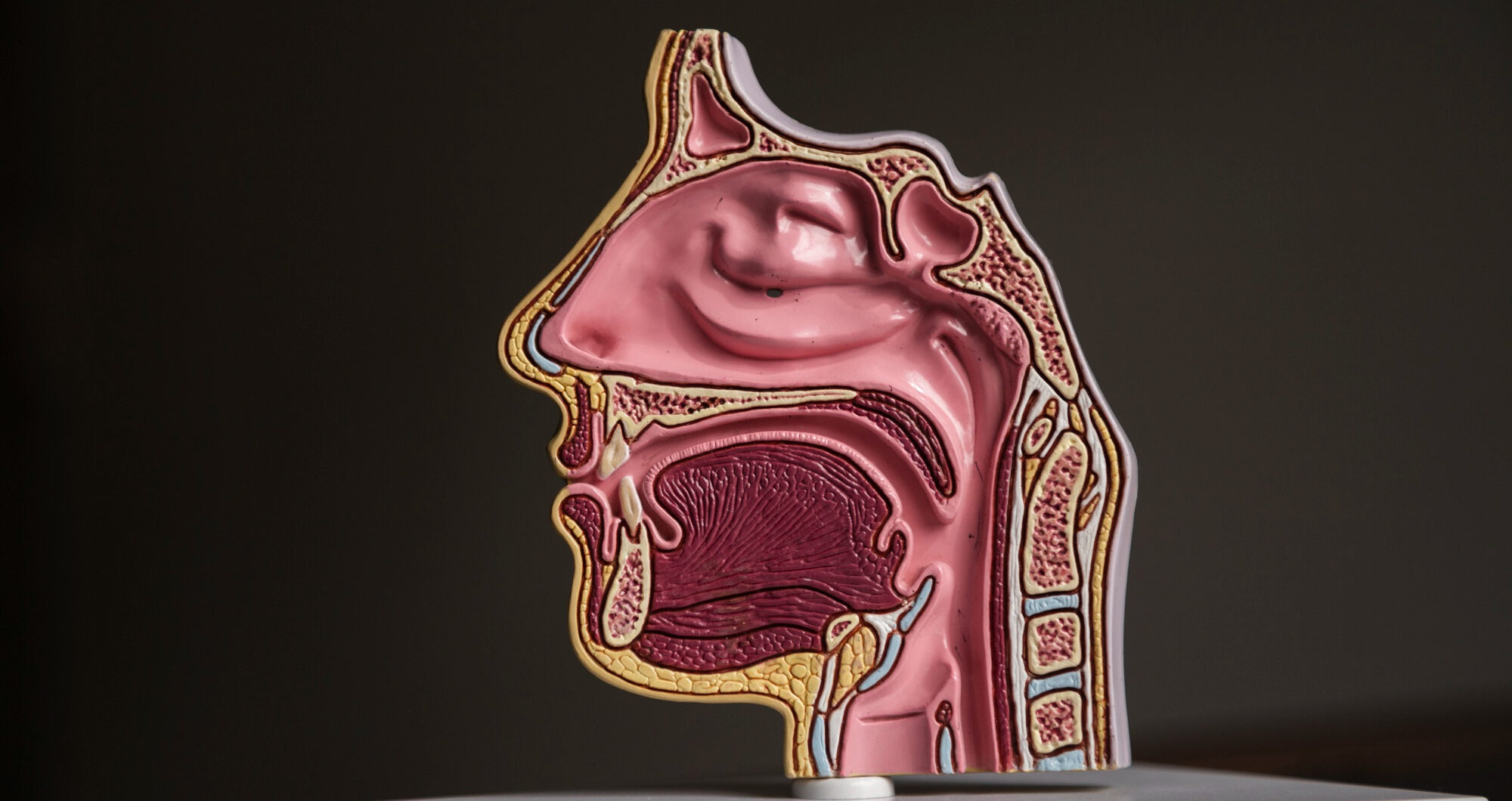

Ear, nose, and throat (ENT) medicine — known clinically as otolaryngology — plays a crucial role in managing conditions that affect hearing, breathing, speech, balance, swallowing, and overall head and neck function. These systems influence daily life in ways that are often overlooked until a problem develops, making ENT expertise essential across all age groups.
What ENT Specialists Treat
ENT specialists diagnose and manage a wide spectrum of conditions involving the ear, nose, throat, and surrounding structures. Common areas of care include:
Ear Disorders
- Hearing loss
- Chronic or recurrent ear infections
- Tinnitus (ringing)
- Balance disorders such as vertigo
- Eardrum perforations
- Congenital hearing impairment
Modern treatments range from medical management to microsurgery and implantable hearing devices.
Nose and Sinus Conditions
- Sinusitis
- Allergic rhinitis
- Nasal obstruction and polyps
- Deviated septum
- Persistent nosebleeds
- Loss of smell
Many cases benefit from minimally invasive endoscopic procedures that reduce recovery time.
Throat and Voice Problems
- Tonsillitis and throat infections
- Voice changes, hoarseness, and vocal cord disorders
- Swallowing difficulties
- Chronic cough
- Sleep apnoea and snoring
Voice and airway issues are commonly assessed using endoscopic imaging and specialist vocal evaluations.
Head and Neck Conditions
- Benign and malignant tumours
- Thyroid and salivary gland disorders
- Neck masses
- Facial fractures
- Reconstructive procedures following injury or surgery
These cases often require input from multiple specialties, including oncology and radiology.
Paediatric ENT
Children frequently require ENT care for issues such as recurrent infections, breathing problems, and hearing difficulties. Specialist paediatric teams provide age-appropriate diagnosis and treatment, including tonsil and adenoid procedures, ear tube insertion, and early assessment of speech-related concerns.
Common ENT Conditions Seen in Clinics
ENT departments routinely manage:
- Sinus infections and chronic sinusitis
- Seasonal and environmental allergies
- Hearing disorders affecting children and adults
- Balance disturbances
- Tonsillitis, adenoid problems, and throat infections
- Sleep-related breathing disorders
- Head and neck lumps, including cancerous and non-cancerous growths
- Congenital structural issues of the airway or palate
Some conditions require specialist, long-term follow-up and multidisciplinary input.
Modern Diagnostic and Treatment Approaches
Advances in ENT technology have significantly improved the accuracy of diagnosis and the effectiveness of treatment. Common tools and techniques include:
Audiology & Balance Assessment
Comprehensive hearing tests, tympanometry, otoacoustic emissions, and vestibular evaluations help identify both simple and complex disorders.
Endoscopic Evaluation
High-definition nasal, sinus, and throat endoscopy allows for detailed assessment and minimally invasive treatment.
Imaging
Ultrasound, CT, and MRI help evaluate structural abnormalities, guide surgical planning, and support cancer assessment.
Microsurgery & Laser Procedures
Used for delicate ear surgery, vocal cord treatment, and precise removal of nasal or throat lesions.
Otologic Implants
Including cochlear implants and other hearing devices for severe hearing impairment.
These techniques support quicker recovery, less invasive interventions, and improved long-term outcomes.
Paediatric ENT: Specialist Care for Children
Children’s ENT conditions often differ from those in adults and require dedicated assessment. Paediatric ENT clinics focus on:
- Early hearing and speech evaluations
- Recurrent ear infections
- Breathing difficulties, including enlarged tonsils or adenoids
- Congenital airway and structural problems
- Age-appropriate treatments and family-focused care
Early intervention often prevents long-term developmental issues.
Head and Neck Surgery and Oncology
Serious conditions involving the head and neck require coordinated medical and surgical input. ENT surgeons work alongside oncology and reconstructive teams to ensure:
- Early diagnosis of cancers affecting the throat, thyroid, mouth, and neck
- Minimally invasive or advanced surgical procedures
- Reconstructive options that preserve function and appearance
- Comprehensive support throughout treatment
This multidisciplinary approach plays a vital role in managing complex diseases.
Accessing ENT Care
ENT services are available across the UK in both NHS and private settings, though waiting times and treatment availability can vary. Some individuals also consider international centres offering advanced diagnostics or specialist procedures. Clinics abroad, such as Liv Hospital, provide an additional option for those seeking broader treatment access.