
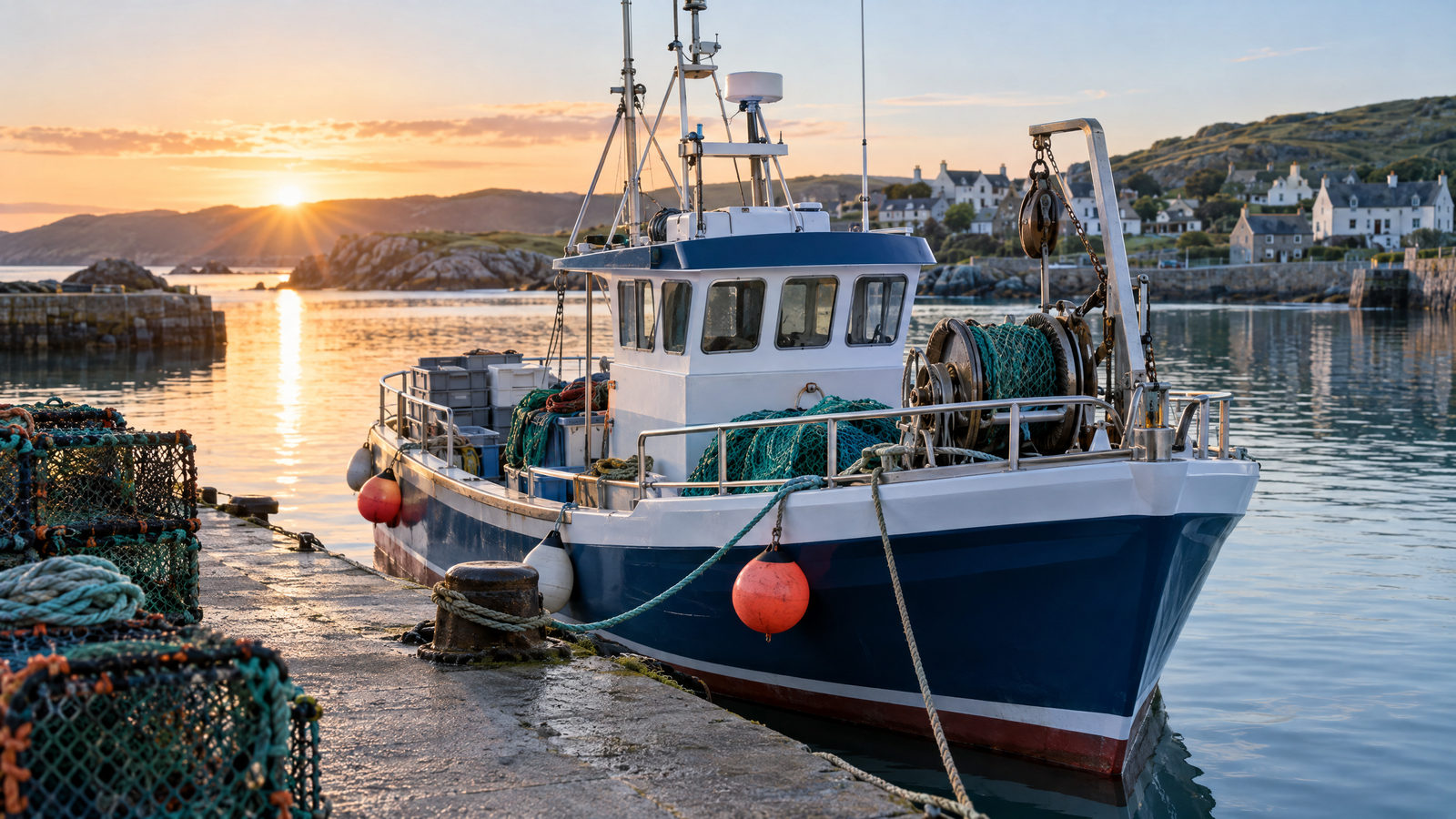

European Union fisheries ministers have agreed a partial negotiating position on the rules that would shape support for fishing, aquaculture, maritime policy and the European Ocean Pact from 2028 to 2034. The move gives the Council a mandate to begin negotiations with the European Parliament, but it does not settle the eventual budget or amount to final approval of a new funding regime.
The decision matters because it starts to define how the bloc intends to support a sector facing pressure to cut emissions, attract new entrants and protect stocks at the same time. The Council’s position is designed to cover the Common Fisheries Policy alongside wider maritime and aquaculture priorities. It places the next funding framework within the negotiations for the EU’s next long-term budget, rather than announcing a standalone pot of money.
A new route for support
Under the approach backed by ministers, support for fisheries and aquaculture would be delivered mainly through national and regional partnership plans. The architecture would replace a number of existing funds, programmes and regulations, including the present European Maritime, Fisheries and Aquaculture Fund, with a single funding toolbox. The stated aim is to make the system easier to use, allow member states more flexibility and better connect policy areas that have often been funded separately.
That is a significant change in direction, but the details still matter more than the label. National plans would need to reflect the needs of fisheries, aquaculture and coastal communities. The framework also has to accommodate the very different circumstances of a small coastal operator, a larger offshore fleet and a growing aquaculture business. Ministers have therefore put the Council’s preferred structure on the table rather than completing the legislative process.
Modernisation with capacity safeguards
The most closely watched element is the approach to fishing vessels. The Council position would permit support for fleet modernisation, including investment in existing vessels and, in some circumstances, new vessels. The intended purposes include the energy transition, safer and better working conditions on board, improved efficiency and generational renewal in an ageing industry.
Those provisions are paired with safeguards intended to prevent public money from increasing pressure on fish stocks. For certain investments and vessel purchases, additional capacity could not be introduced without existing capacity first being withdrawn. Special rules would apply to small-scale coastal fishing. The position also incorporates the EU’s obligations under the World Trade Organization agreement on fisheries subsidies and adds provisions on fisheries control and data collection.
The compromise has not eliminated disagreement. Sweden opposed it, citing the possibility of public support for buying or building new vessels. The Netherlands said it would abstain, arguing that the text did not fully reflect its view of the principle that investment should avoid significant environmental harm. Those reservations underline the tension that Parliament and the Council will have to resolve: modernising fleets can support decarbonisation and safety, but the rules must not become an incentive for overfishing or unchecked expansion.
What remains open
The agreement is deliberately partial. Financial and other horizontal questions are still tied to negotiations over the 2028-2034 multiannual financial framework. The final amount available for fisheries and aquaculture programmes will depend on that broader budget settlement. The Council mandate is therefore a negotiating starting point, not a guarantee of funding for a particular fleet, port, business or member state.
For coastal communities and seafood producers, the next phase will determine whether the proposed flexibility produces accessible support or a patchwork of national choices. For environmental groups and stock managers, the test will be whether the capacity, control and subsidy safeguards remain robust in the final text. Ministers have made a substantive decision on the route ahead; the size of the budget and the binding balance between renewal and conservation are still to be negotiated.







