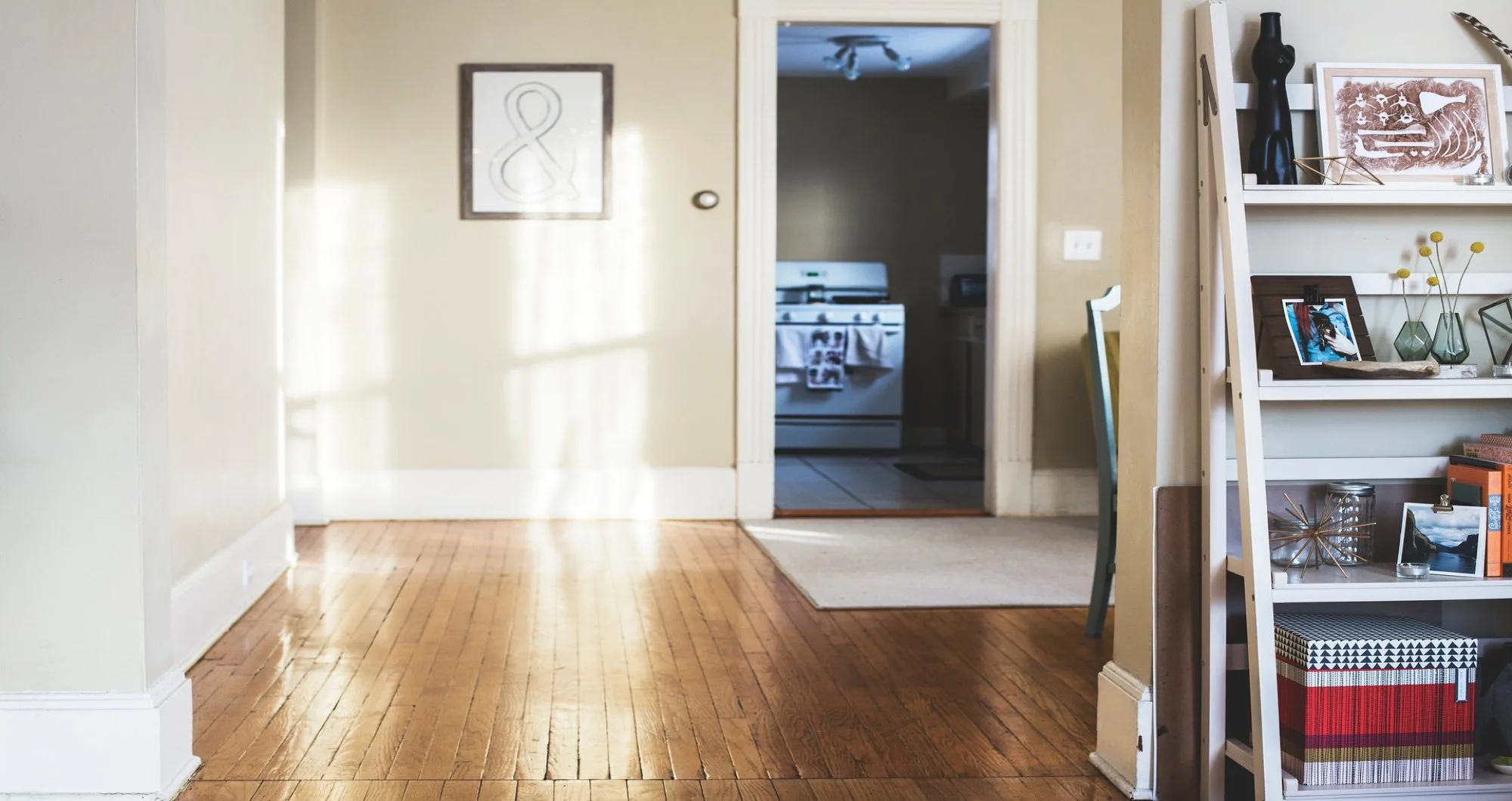

Restoring your floors can breathe new life into your home, offering a fresh, polished look that enhances the overall aesthetic. However, once you’ve invested in wood floor restoration services, it’s crucial to maintain that pristine appearance, especially considering London’s unique climate. The city’s combination of humidity, temperature fluctuations, and occasional dampness can affect the longevity and beauty of your newly restored floors. Here are expert tips to help you maintain your floors and keep them looking their best for years to come.
1. Control Humidity Levels
One of the most significant factors affecting wood floors in London is humidity. Wood is a natural material that expands and contracts with changes in moisture levels. In the winter, central heating can dry out the air, causing wood floors to shrink and create gaps. Conversely, in the summer, higher humidity can cause the wood to swell.
To mitigate these effects, it’s essential to maintain consistent humidity levels in your home. Using a humidifier during the winter and a dehumidifier in the summer can help balance the moisture in the air, preserving the integrity of your restored floors.
2. Regular Cleaning Routine
Keeping your floors clean is fundamental to maintaining their restored beauty. Dust and dirt particles can act like sandpaper, scratching and dulling the finish over time. To prevent this, sweep or vacuum your floors regularly using a soft-bristle attachment. Avoid using a vacuum with a beater bar, as this can cause damage.
For a deeper clean, use a damp mop with a pH-neutral cleaner specifically designed for wood floors. Be cautious not to saturate the floor with water, as excess moisture can seep into the wood, leading to warping or swelling.
3. Protect from Furniture Scratches
Furniture can be a major culprit in damaging restored wood floors. To protect your investment, place felt pads under the legs of chairs, tables, and other heavy furniture. These pads help reduce friction and prevent scratches when furniture is moved. Additionally, avoid dragging furniture across the floor.
If you need to move a piece, lift it instead of sliding it. For areas with heavy foot traffic or where furniture is frequently moved, consider using area rugs to provide an extra layer of protection.
4. Address Spills Immediately
Spills are inevitable, but how you handle them can make a big difference in maintaining your floors. Liquids left to sit on wood can seep into the material, causing stains, warping, or other damage. When a spill occurs, wipe it up immediately with a soft, dry cloth.
For more stubborn spills or sticky substances, use a slightly damp cloth followed by a dry one to ensure no moisture is left behind. If the spill is acidic, like wine or vinegar, it’s even more important to act quickly to prevent potential damage to the finish.
5. Use Mats and Rugs Strategically
Strategically placing mats and rugs in high-traffic areas, such as entryways and hallways, can significantly reduce wear and tear on your floors. These coverings act as a barrier, trapping dirt and moisture before they reach the wood.
Opt for rugs with a non-slip backing that won’t discolour or damage the floor underneath. In addition to protecting against dirt, mats can also help prevent minor dings and dents caused by heavy foot traffic.
6. Schedule Regular Maintenance with Professionals
Even with diligent care, your restored floors will benefit from periodic professional maintenance. Wood floor restoration services often offer ongoing maintenance programs, which include reapplying finish or performing minor repairs to keep your floors in top condition.
Depending on the amount of traffic your floors endure, scheduling professional maintenance every few years can extend the life of your floors and keep them looking like new.
7. Avoid Direct Sunlight Exposure
Sunlight can cause wood floors to fade or discolour over time. To protect your floors, use curtains or blinds to limit direct sunlight exposure, especially during peak hours. Alternatively, UV-resistant window treatments can help filter out harmful rays without completely blocking natural light.
Rotating rugs and furniture periodically can also prevent uneven fading, ensuring your floors maintain a consistent appearance.
Conclusion
Maintaining your newly restored floors in London’s climate requires attention to detail and a proactive approach. By controlling humidity, cleaning regularly, protecting against scratches, addressing spills immediately, and scheduling professional maintenance, you can preserve the beauty and longevity of your investment. Remember, the key to long-lasting floors lies in consistent care and using the right wood floor restoration services when needed.