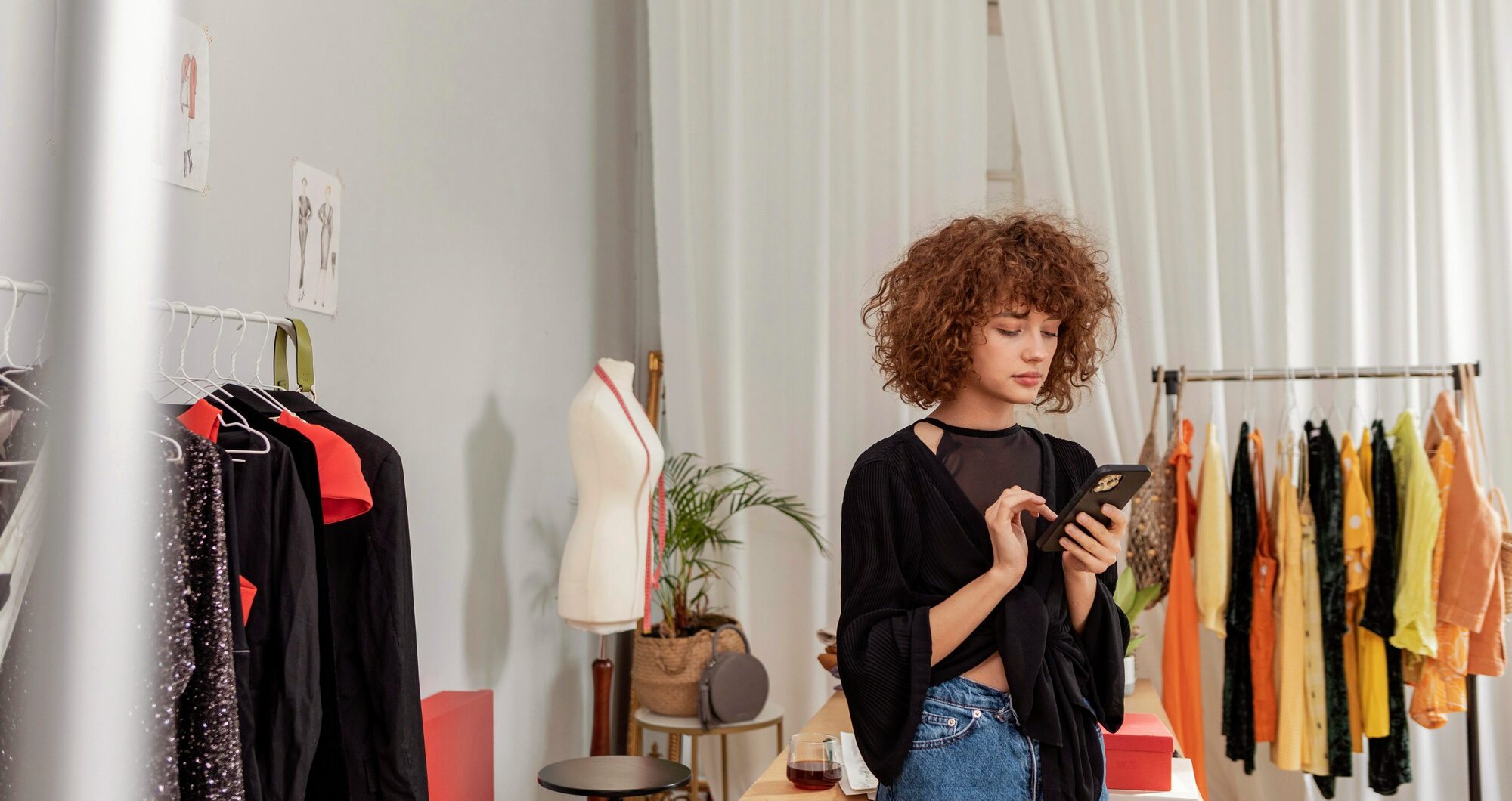

Fashion and social media have intertwined their destinies more than any other industry. Today, it is no longer enough to walk a runway or appear in a glossy magazine: the real stage is Instagram, TikTok, and increasingly emerging platforms such as BeReal and Threads. Fashion houses have realised that digital storytelling is just as central as the collection itself. Social media not only amplifies trends but creates them, sparking global phenomena in a matter of days.
Sneakers become cult items through a hashtag, a new hairstyle is immortalised in a viral video, and collaborations between brands and creators set the agenda for the fashion system. This phenomenon is not limited to luxury brands: emerging designers and independent labels also find in social media a global showcase capable of accelerating international recognition. This revolution has pushed established brands to adopt a more direct and inclusive language, capable of engaging communities. As analysts note, fashion today lives in the digital ecosystem as much as in showrooms, and in some cases, online dynamics even dictate collection schedules.
Interview with Luca Matteo Barberis – Communication and Social Media Expert.
Luca, you have worked with major companies, international sporting events, and public figures. How does the fashion world differ from other industries when it comes to social media?
“Fashion has a unique feature: it is pure visual emotion. Social media are not only communication tools here, they are true trend laboratories. If in sports we narrate performance and energy, in fashion we speak of aesthetics, lifestyle, and desire. A well-crafted piece of content can turn a garment into a global must-have within hours.”
What are the strongest dynamics you have observed?
“I would highlight three. First: the impact of micro and nano influencers, who are gaining central importance because they are perceived as authentic and able to generate real engagement. Second: the growth of social-integrated e-commerce, with ‘tap to shop’ making the purchasing experience immediate and seamless. Third: the ability of social media to dictate the pace of collections, often faster than brands can produce, and to turn niche trends into mainstream phenomena in just hours.”
Can a model today really do without social media?
“Absolutely not. In the past, agencies and magazines built careers. Today, a strong and coherent digital presence is essential. A curated Instagram profile is the first business card, a living portfolio. It is not uncommon for casting directors to select a face based on how they communicate online. Social numbers are crucial for models: they increase visibility, attract agencies and brands, and provide tangible proof of reach and influence. For agencies, followers indicate potential client reach; for brands, they represent a target audience and trend indicator, making models’ social profiles essential marketing tools.”
And how can this presence be built effectively?
“This is where the social media manager comes in. Posting shooting photos is not enough: you need a strategy that communicates the journey, values, and personality. The community must perceive authenticity. Often, models lack the time or expertise to do this alone: relying on a professional enhances their image, plans coherent content, and ensures consistent growth. An experienced manager also interprets platform data, optimizes post timing and formats, and translates engagement metrics into concrete opportunities.”
Fashion and Social Networks: A Combination that Shapes Trends
Today, social media does not just narrate fashion—they shape it. Collections are designed to be “Instagrammable,” campaigns are created to go viral, and even runway shows find in social media their global megaphone. A behind-the-scenes TikTok video can have more impact than a full-page spread in a glossy magazine, conveying emotion and authenticity instantly.
This shift has also encouraged luxury brands to adopt more informal, youth-friendly communication styles. At the same time, new frontiers are emerging: virtual influencers and avatar models. Digital figures such as Lil Miquela demonstrate that the fashion of the future will not only exist on physical runways but also in virtual worlds and the metaverse. Brands can now create tailor-made ambassadors, “limitless” campaigns, and content capable of reaching entirely new audiences.
Additionally, collaborations between brands and independent creators are growing, helping define new trends and democratising fashion. Small labels can go viral through authentic content, targeted strategies, and highly engaged communities.
Conclusion – The Future is Strategy and Professionalism
The bond between fashion and social media is now inseparable. Professionals in this field can no longer improvise. For brands, models, and creators, relying on a social media manager provides someone who combines aesthetics and strategy, creativity and analysis, building a narrative that is not only captivating but sustainable over time.
The fashion of the future will be increasingly digital, inclusive, and fast-paced. For models, growing on social media is no longer optional—it is a necessity. Audiences, casting directors, and brands view these profiles as a showcase of professionalism. In a world where even avatars can become style icons, only those who communicate with vision and consistency will truly stand out, balancing personal identity with global market dynamics.