
In a crisis, professional medical help may be unavailable for hours, days, or longer. Natural disasters can overwhelm emergency services, infrastructure damage can make hospitals inaccessible, and wilderness or remote settings may place you far from any professional care. The gap between when an injury or medical emergency occurs and when trained help arrives is where basic first aid skills save lives.
This article covers the core emergency first aid skills that every prepared person should develop. These are not advanced medical procedures reserved for professionals — they are practical competencies that are accessible to anyone willing to invest time in learning and regular practice.
Controlling Severe Bleeding
Serious blood loss is one of the leading causes of preventable deaths following traumatic injuries. Acting quickly to control bleeding can dramatically improve a casualty’s chances of survival.
The first step is to apply firm, continuous pressure directly over the wound using a clean dressing, sterile gauze, or, if necessary, a clean cloth. Maintain pressure without repeatedly checking the wound, as this can disrupt clotting.
If the injury is deep and bleeding remains uncontrolled, packing the wound with sterile gauze before continuing direct pressure may be necessary. For severe bleeding from an arm or leg that cannot be controlled by pressure alone, a commercial tourniquet may be required. Emergency responders widely use devices such as the Combat Application Tourniquet (CAT) and should only be used by those who have received appropriate training.
Anyone who experiences severe bleeding should receive urgent medical attention. Call 999 immediately.
CPR and Using a Defibrillator
Cardiac arrest can occur anywhere and at any age. Prompt CPR significantly improves the chances of survival.
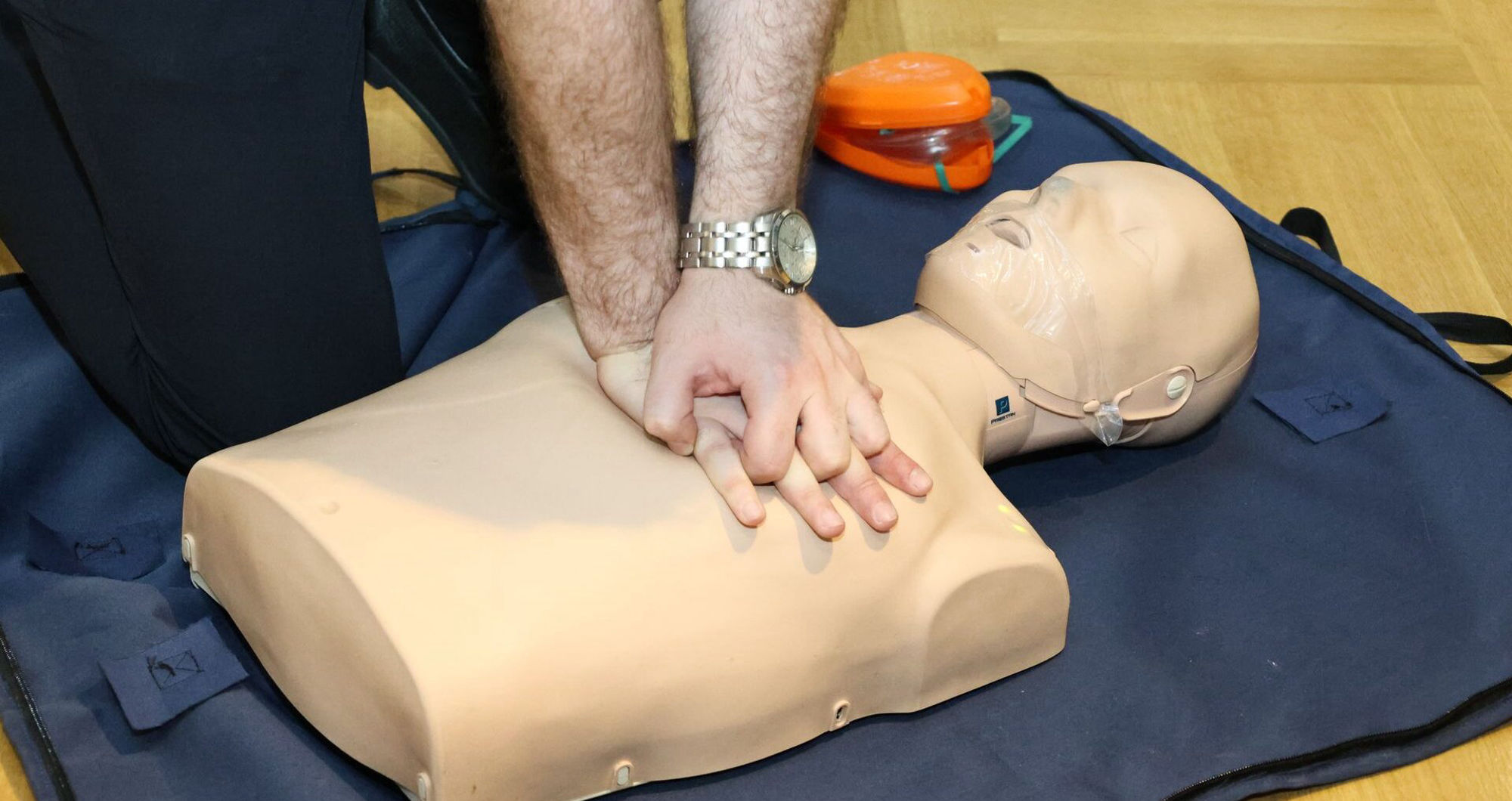
According to the Resuscitation Council UK, if someone is unresponsive and not breathing normally, call 999, begin chest compressions immediately, and ask someone to locate the nearest Automated External Defibrillator (AED).
Place both hands in the centre of the chest and push hard and fast at a rate of around 100 to 120 compressions per minute, allowing the chest to fully recoil between compressions.
Public-access AEDs are now found in many shopping centres, railway stations, sports facilities, schools, and community buildings throughout the UK. They provide clear voice instructions and will only deliver a shock if it is medically required, making them safe for members of the public to use.
Keeping the Airway Clear
An unconscious person who is still breathing normally should be placed in the recovery position to help keep their airway open and reduce the risk of choking.
Carefully roll the person onto their side, supporting the head and neck while ensuring the upper leg is bent to prevent them from rolling over. Continue monitoring their breathing until emergency services arrive.
If breathing stops at any point, begin CPR immediately.
Treating Fractures and Sprains
Broken bones and sprains are common following falls, sporting injuries, road accidents and outdoor activities.
If a fracture is suspected, avoid moving the injured limb unnecessarily. Immobilise it using a rigid object such as a walking pole, sturdy stick or commercially available splint, securing it above and below the injury using bandages or strips of fabric.
Before and after applying a splint, check that circulation, feeling, and movement remain normal below the injury.
For sprains, the RICE method remains widely recommended:
- Rest the injured area.
- Apply a cold pack or wrapped ice for short periods.
- Compress the joint with an elastic bandage.
- Elevate the limb above heart level where possible.
If pain is severe, the limb appears deformed, or weight cannot be placed on the injured area, seek medical assessment.
Caring for Burns
Quick treatment can reduce the severity of a burn and lower the risk of complications.
Immediately cool the affected area under cool running water for at least 20 minutes. Avoid using ice, as it can cause additional tissue damage.
After cooling, loosely cover the burn with a sterile, non-stick dressing or clean cling film. Do not apply butter, toothpaste, oils or other household remedies, as these can trap heat and increase the risk of infection.
Anyone with extensive burns, burns affecting the face, hands, feet, genitals or major joints, or burns that appear deep should receive urgent medical care.
Preventing Infection Through Proper Wound Care
Even relatively small cuts can become infected if not cleaned properly.
Rinse wounds thoroughly with clean running water to remove dirt and debris before applying a sterile dressing. Where available, sterile saline solution can also be used.
Antiseptic products may help reduce bacteria around the wound, but should not replace thorough cleaning.
Watch for signs of infection in the following days, including increasing redness, swelling, warmth, pus or worsening pain, and seek medical advice if these develop.
Recognising Serious Medical Emergencies
Some of the most dangerous medical emergencies have few visible signs. Recognising the symptoms early allows faster treatment and improves outcomes.
Spotting a Stroke
The NHS recommends using the FAST test:
- Face: Has one side of the face drooped?
- Arms: Can the person raise both arms and keep them raised?
- Speech: Is their speech slurred or difficult to understand?
- Time: Call 999 immediately if any of these symptoms are present.
Rapid treatment can greatly reduce the long-term effects of a stroke.
Severe Allergic Reactions
Anaphylaxis is a medical emergency that develops rapidly after exposure to an allergen such as certain foods, insect stings or medications.
Common symptoms include:
- Difficulty breathing
- Swelling of the lips, tongue, or throat
- Widespread rash or hives
- Dizziness or collapse
People with known severe allergies should always carry an adrenaline auto-injector, such as an EpiPen or Jext, and ensure those around them know how to use it.
Build Confidence Before an Emergency Happens
Reading about first aid is valuable, but practical training builds the confidence needed to respond under pressure.
Organisations including St John Ambulance, the British Red Cross, and other accredited first aid providers across the UK offer courses covering CPR, bleeding control, burns, fractures, and other common emergencies.
A well-stocked survival kit should suit your lifestyle. Alongside everyday essentials such as plasters, dressings, antiseptic wipes and bandages, those who regularly travel, camp or enjoy outdoor activities may also consider carrying trauma dressings, a tourniquet, an emergency blanket and a CPR face shield.
Refreshing your first aid knowledge every few years helps ensure your skills remain current. In an emergency, staying calm and knowing how to respond could make all the difference while waiting for professional help to arrive.